Author Archives: Dr. Shraddha Galgali

8 Types of Abnormal Menstruation: Understanding Menstrual Irregularities

You will have this issue of heavy bleeding, irregular periods, or other menstrual disorders, so reaching Dr. Shradhha Galgali is important to get clinical guidance. Menstruation is a natural process every woman experiences as part of her reproductive cycle. A regular menstrual cycle normally lasts between 21 and 35 days, with menstruation lasting between 2 to 7 days. However, not all women experience a “normal” menstrual cycle. Abnormal menstruation can manifest in various forms, each potentially signaling underlying health issues that may require medical attention.

Dr. Shraddha Galgali is the Best Female Gynecologist in Punawale and also clarifies the various types of irregular menstruation that can help ladies identify when to seek help. Beneath, we examine eight sorts of abnormal menstruation.

1) Amenorrhea (Absence of Menstruation):

Amenorrhea is the lack of menstruation in females of reproductive age. It can be organized into 2 types:

  • Primary Amenorrhea: when a young lady has not begun bleeding by the age of 16. This can be because of hereditary or formative issues, like Turner disorder or Müllerian agenesis.
  • Secondary Amenorrhea: When a female who earlier had regular periods stops menstruating for three months or more. Common causes include pregnancy, breastfeeding, excessive exercise, stress, and hormonal inequalities such as polycystic ovary syndrome (PCOS) or thyroid disorders.

Symptoms:

  • Absence of periods
  • Different side effects might contain cerebral pains, vision changes, or skin breakouts, contingent upon the hidden reason.

When to Seek Help:

  • If you have not started menstruating by the age of 16.
  • If you miss three or more periods in a row without being pregnant.

2) Menorrhagia (Heavy Menstrual Bleeding):

Menorrhagia refers to excessively heavy or prolonged menstrual bleeding that interferes with daily life. Women with menorrhagia may need to change sanitary products every hour, or their periods may last more than seven days.

Causes:

  • Hormonal imbalances, particularly involving estrogen and progesterone.
  • Uterine fibroids or polyps.
  • Blood clotting disorders.
  • Endometrial hyperplasia (thickening of the uterine lining).

Symptoms:

  • Flow via one or more sanitary pads or tampons every hour.
  • Passing large blood clots.
  • Bleeding for more than seven days.
  • Signs of anemia, such as tiredness or shortness of breath.

When to Seek Help:

  • If heavy bleeding interferes with your daily actions.
  • If you Feeling indications of anemia.

3) Oligomenorrhea (Infrequent Menstrual Periods):

Oligomenorrhea is characterized by irregular menstrual periods, typically happening more than 35 days apart but less than six months apart. It can result from different factors, including hormonal imbalances, lifestyle changes, and underlying health conditions.

Causes:

Symptoms:

  • Irregular periods with gaps of more than 35 days.
  • Light bleeding or spotting.

When to Seek Help:

  • If your menstrual cycles become always irregular or periodic.

4) Polymenorrhea (Frequent Menstrual Periods):

Polymenorrhea is the happening of menstrual cycles that are shorter than 21 days, resulting in frequent periods. This situation can indicate underlying health matters and may need medical evaluation.

Causes:

  • Hormonal imbalances.
  • Uterine fibroids or polyps.
  • Thyroid disorders.

Symptoms:

  • Menstrual periods happen more frequently than every 21 days.
  • Heavy or prolonged bleeding.

When to Seek Help:

  • If your periods become unusually frequent or you experience important changes in your menstrual cycle.

5) Dysmenorrhea (Painful Abnormal Menstruation):

Dysmenorrhea is indicated by painful menstrual cramps that happen before or during menstruation. It can be organized into 2 types:

  • Primary Dysmenorrhea: Painful periods without an underlying medical condition, often starting within the first few years of menstruation.
  • Secondary Dysmenorrhea: Painful periods caused by an underlying condition, such as endometriosis, adenomyosis, or pelvic inflammatory disease (PID).

Symptoms:

  • Squeezing torment in the lower mid-region or pelvis.
  • Back torment or leg torment.
  • Queasiness, retching, or the runs.

When to Look for Help:

  • If your menstrual pain is severe or disrupts your daily activities.
  • If over-the-counter pain killers are ineffectual.

6) Hypomenorrhea (Light Menstrual Bleeding):

Hypomenorrhea leads to unusually light menstrual bleeding, where periods are shorter or less intense than usual. While light periods may not always indicate an issue, they can sometimes signal an underlying health issue.

Causes:

  • Hormonal imbalances, particularly low estrogen levels.
  • Use of hormonal contraceptives, such as birth control pills or intrauterine devices (IUDs).
  • Asherman’s syndrome (scarring of the uterine lining).

Symptoms:

  • Shorter periods with light bleeding.
  • Spotting instead of a full flow.

When to Seek Help:

  • If your periods suddenly become lighter or you experience other signs, such as pelvic pain or problems conceiving.

7) Metrorrhagia (Irregular Menstrual Bleeding):

Metrorrhagia is irregular menstrual bleeding that occurs between periods or at unpredictable intervals. This type of abnormal bleeding can be a sign of different underlying conditions and should not be ignored.

Causes:

  • Hormonal imbalances.
  • Uterine fibroids or polyps.
  • Endometrial cancer or hyperplasia.
  • Pelvic inflammatory disease (PID).

Symptoms:

  • Bleeding or spotting between periods.
  • Unreliable timing of menstrual bleeding.

When to Seek Help:

  • If you undergo irregular bleeding between periods, especially if it is heavy or persistent.

8) Premenstrual Syndrome (PMS) and Premenstrual Dysphoric Disorder (PMDD):

Premenstrual Syndrome (PMS) is a group of symptoms that occur in the luteal phase of the menstrual cycle, typically one to two weeks before menstruation. Premenstrual Dysphoric Disorder (PMDD) is a more severe form of PMS that can greatly affect a woman’s mental health and daily life.

Causes:

  • Hormonal changes during the menstrual cycle.
  • Neurotransmitter changes, particularly including serotonin.

Symptoms:

  • PMS: Bloating, breast tenderness, mood swings, irritability, and fatigue.
  • PMDD: Severe mood swings, depression, anxiety, and irritability.

When to Seek Help:

  • If PMS signs are painful or interfere with your daily life.
  • If you are feeling signs of PMDD, such as depression or severe mood swings.

Dr. Shraddha Galgali is the best Pregnancy Specialist in Punawale and offers clinical benefits in adjacent areas like Wakad, Marunji, Hinjewadi, and Thathwade. If you are suffering from abnormal menstruation come to Dr. Shraddha Galgali Head of Shraddha EXCELLA Women’s Wellness Clinic, Punawale, PCMC, Pune for treatment. No matter what type of abnormal menstruation you are afflicted with, we will treat it.

Understanding High-Risk Pregnancy What to Expect and How to Prepare

If you have concerns or questions about your pregnancy, don’t hesitate to contact a qualified Dr. Shraddha Galgali at Dr. Shraddha’s EXCELLA Woman’s Wellness Clinic. The number of pregnancies with a high risk of complications is increasing rapidly, with a staggering 20% rise in recent years. Only by raising awareness and understanding of high-risk pregnancies can you be empowered to prevent them, safeguarding yourself and your baby from immense suffering and potential danger.

Dr. Shraddha Galgali, a renowned Infertility Treatment in Punawale, Pune Pune emphasizes the importance of understanding, preparing for, and managing high-risk pregnancies to ensure the best possible outcomes.

Understanding High-Risk Pregnancy:

A high-risk pregnancy doesn’t necessarily mean there will be difficulties. It just indicates a need for more vigilant care. Here are some factors that can contribute to a high-risk classification:

  • Maternal health conditions: Chronic conditions like pre-existing diabetes, high blood pressure, thyroid disorders, or autoimmune diseases can increase pregnancy risks.
  • Age: Women under 18 or over 35 are considered to have a slightly higher risk of complications.
  • Pregnancy complications: A history of miscarriage, premature birth, or multiple births can raise concerns.
  • Lifestyle factors: Smoking, alcohol consumption, or drug use can negatively impact pregnancy.
  • Prenatal testing results: Abnormal results from prenatal screening tests, such as amniocentesis or chorionic villus sampling (CVS), may indicate a potential birth defect.

Some Risk Factors for high-risk pregnancy:

You are right. Here are the familiar medical risk factors for a high-risk pregnancy:

  • Autoimmune Diseases – A woman having autoimmune diseases like multiple sclerosis or lupus face more high-risk pregnancies.
  • Pregnancy Record – A woman with a record of having pregnancy-related hypertension diseases, like preeclampsia, having a premature baby birth in the last pregnancy, or numerous premature births are at a higher risk of having pregnancy complications.
  • Maternal Health Issues – Diabetes, high blood pressure, thyroid, poorly controlled asthma, etc may induce difficulties during pregnancy.

High-Risk Pregnancy - Signs And Symptoms?

Dr. Shraddha Galgali explains some of the signs and symptoms of high-risk pregnancy are listed below.

  • Abdominal And Chest Pain – Women facing abdominal and chest pain that does not go with time may have a high-risk pregnancy and doctor consultation is a must.
  • Extreme Fatigue And Dizziness– Although pregnancy itself is a difficult phase, women who experience excessive fatigue along with dizziness and fainting may have high-risk pregnancies.
  • Nausea and Vomiting With Severe Headache– Women facing severe headaches that increase with time and are accompanied by nausea and vomiting may face a high-risk pregnancy.

What are the Complications of a High-Risk Pregnancy?

According to Dr. Shraddha galgali, a renowned High Risk Pregnancy Specialist in Punawale and she clarifies some of the potential complications are :

  • Preeclampsia: High blood pressure after 20 weeks, can harm mother and baby.
  • Eclampsia: Seizures due to high blood pressure during pregnancy.
  • Preterm or Caesarean Delivery: Early birth (before 37 weeks) increases health risks for the baby.

What to Expect During Prenatal Care?

If you have a high-risk pregnancy, Dr. Shraddha Galgali will likely recommend more frequent prenatal visits. These visits will be similar to regular prenatal care, but may include additional monitoring:

  • More frequent ultrasounds: These allow for closer evaluation of fetal growth and development.
  • Non-stress tests (NST) and biophysical profiles (BPP): These tests assess fetal well-being by monitoring the baby’s heart rate and movement in response to stimuli.
  • Amniocentesis or CVS: If there’s a high risk of a genetic disorder, these procedures can diagnose chromosomal abnormalities.
  • Specialized care: Depending on the specific risk factors, you may be referred to a maternal-fetal medicine (MFM) specialist for high-risk pregnancy management.

Preparing for a Healthy Delivery:

A high-risk pregnancy requires extra preparation, but it doesn’t have to diminish the joy of expecting. Here are some tips:

  • Educate yourself: Learn about your specific risk factors and potential complications.
  • Find a support system: Surround yourself with positive and knowledgeable people, like your partner, family, friends, or a support group for high-risk pregnancies.
  • Develop a birth plan: Discuss your preferences for pain management, delivery options (vaginal or cesarean), and newborn care with your doctor.
  • Prioritize healthy habits: Eat a balanced diet, exercise regularly (as advised by your doctor), and get adequate sleep.
  • Manage stress: Stress can be detrimental during pregnancy. Exercise relaxation methods like yoga, meditation, or deep breathing.
  • Stay informed: Ask questions and voice any concerns during your prenatal visits. Don’t waver to seek clarification if something is unclear.

Book An Appointment:

Understanding and managing a high-risk pregnancy requires careful planning, frequent monitoring, and a proactive approach to health and well-being. Dr. Shraddha Galgali emphasizes the importance of early detection and comprehensive care to address the unique challenges of high-risk pregnancies. Dr. Shraddha Galgali – The best Maternity Clinic in Punawale and nearby area provides high-risk pregnancy management services. If you want high-risk pregnancy counseling. You can come to our clinic. Dr. Shraddha’s EXCELLA Woman’s Wellness Clinic, Punawale is one of the best high-risk pregnancy care centers in Punawale, Pune.

Feel free to call us on 9923956515 for appointments and queries or book an online appointment.

Healthy Pregnancy Diet

Do you know that a pregnant woman requires around 300 extra calories per day to maintain a healthy pregnancy? Yes, that’s right! To gain these calories, one must follow the best diet for pregnant women, which includes whole grains, protein, fruits, and vegetables. Furthermore, sweets and unhealthy fats must be kept to a minimum. We know how difficult it is to carve out a balanced and healthy daily diet for pregnant women. Therefore, we bring you a list of beneficial foods and beverages for an ideal diet for pregnant women. This food list takes care of the nutritional needs of the baby and ensures the holistic health of the mother-to-be. In this article, Dr. Shraddha Galgali is the best Pregnancy Care in Punawale. will discuss a healthy pregnancy diet, including what a pregnant woman should eat what to avoid, and why?

Diet for Pregnant Women: Pre-Breakfast Snack Ideas

  • Dry fruits (10 to 12 pieces)
  • One glass of cow milk (plain)
  • Banana Milkshake
  • Almond milk
  • Carrot juice
  • Tomato juice
  • Apple juice

Breakfast Ideas:

  • Mix fruit Plate (including apricots, apples, dates, bananas, sweet figs, and oranges)
  • Rava up with vegetables
  • Vegetable poha with chillas
  • Oats with 2 boiled eggs
  • Vegetable omelette
  • Whole wheat toast, butter, and omelet
  • Stuffed parathas (with fillings of potatoes, dal, spinach, carrots, paneer, or beans) with curd
  • Cheese and vegetable sandwich
  • Cheese toast
  • Rice sevai with vegetables
  • Vegetable khandvi

Mid-Morning Snack Ideas:

  • Chicken soup
  • Spinach soup
  • Tomato soup
  • Carrot and beetroot soup
  • Creamy spinach soup
  • Pumpkin (kaddu) soup
  • Banana Milkshake

Diet for Pregnant Women: Lunch Ideas

  • Simple paratha with curd and a bowl of dal
  • Chapati with dal, curd, and a bowl of vegetable
  • Peas and carrot stuffed paratha made with butter and a bowl of curd
  • Vegetable khichdi
  • Curd rice
  • Rice and chicken curry
  • Green peas pulao or jeera pulao with raita
  • Rice, vegetables, and dal with a green salad
  • Rice, dal, vegetable raita with one fruit
  • Pea lemon rice with a green salad
  • Chicken salad with vegetable soup
  • Grilled chicken with curd
  • Rice with kofta curry
  • Paneer paratha made with butter and green salad
  • Stuffed paratha with sprouts salad

Evening Snack Ideas:

  • Chicken cutlet
  • Bread cutlet
  • Chicken sandwich
  • Corn and cheese sandwich
  • Roasted peanuts
  • Dry fruits with dried dates
  • Milk porridge with seven, oats, or daily
  • Vegetable daliya
  • Tomato and spinach idli
  • Vegetable idli
  • Mixed-veg uttapam
  • Vegetable seva
  • Carrot Halwa
  • Lauki halwa
  • Fresh fruit smoothie (banana or strawberry)
  • A cup of green tea

Dinner Ideas:

  • Chicken rice or vegetable pulao with a bowl of curd
  • Mixed dal khichdi, curd, vegetable curry
  • Rice, spinach veggie, dal, green salad
  • Plain paratha with curd (or buttermilk)
  • Roti, dal, vegetable of choice, curd (or buttermilk)

Diet for Pregnant Females: Foods and Drinks to Consume

  • Water: Drinking about 10 to 12 glasses of water is imperative during pregnancy. Sufficient water helps the protective fluid (or amniotic fluid) around the fetus and boosts better digestion as well.
  • Dairy products: They are loaded with rich nutrients like vitamins and calcium that assist the baby’s development.
  • Leafy green vegetables and broccoli: Dark green vegetables like broccoli are a good source of folate, antioxidants, and vitamins, including A, B6, C, and K. They boost hemoglobin supply, and healthy bones and keep skin concerns at bay.
  • Sweet potatoes: Sweet potatoes have high levels of beta carotene (vitamin), which is important for fetal growth and development.
  • Salmon: Routine use of salmon must be included in the diet for pregnant women as it can boost docosahexaenoic acid (DHA), generally known as an omega-3 fatty acid. The need for docosahexaenoic acid (DHA) improves during the third semester of pregnancy.
  • Legumes: Improved with plant-based nutrients like iron, protein, fiber, and calcium, legumes are a good source of plant-based nutrients that must be contained in the daily diet of pregnant women.
  • Eggs: Eggs are amongst the best sources of protein. They grow amino acids and choline, among other beneficial vitamins and minerals.
  • Lean meat: A healthy diet for pregnant women must include good quality protein, which comes from lean meat. Lean meat has good quantities of iron, vitamin B, and important minerals.
  • Berries: Berries help in increasing your water intake as they pack lots of water and nutrients like healthy carbohydrates, fibers, and vitamin C.
  • Dry fruits: A handful of dry fruits pack zinc, potassium, calcium, and fiber. They prevent constipation during pregnancy.
  • Whole grains: The growing fetus requires minerals and vitamin B for its growth. Whole grains are fortified with folic acid and provide essential nutrients required by the baby.

Food and Beverages to Avoid During Pregnancy:

  • Unwashed food: Unwashed fruits, vegetables, and especially meat can expose you to toxoplasma (a harmful parasite), which can cause serious complications in pregnancy.
  • Caffeine: While outlining the best diet for pregnant women, caffeine must always be kept off the list! Caffeine is known to raise your blood pressure and heart rate, both of which are detrimental and risky in pregnancy.
  • Alcohol: Liquor utilization can prompt underlying imperfections in the child. If a woman consumes alcohol in the first trimester, the chance of abnormal facial features in the baby rises.
  • Processed junk foods: Junk food cravings are real and happen to all women during pregnancy. However, you must always stay away from processed junk foods (like cookies, candies, pizza, burgers, and baked goodies made from white flour) as they can increase the toxic acrylamide levels in the mother’s body.
  • Unpasteurized foods: Unpasteurised foods, including fruit juice, milk, or cheese, may contain food-borne illnesses causing bacteria like E. coli, campylobacter, and listeria.
  • Raw sprouts: Raw sprouts are not among the ideal diets for pregnant women, and their consumption can make you sick. Raw sprouts grow in warm and humid conditions, an environment that is conducive for bacteria to flourish.
  • Crude or under-cooked fish: Crude fish incorporate microbes, parasites, and microorganisms, which expose you to several illnesses.
  • Under-cooked and processed meat: Half-cooked meat that conveys microorganisms can make you debilitated. Processed meat that contains listeria bacteria can cause vomiting and food poisoning among pregnant women.
  • Raw eggs: Raw eggs include the bacteria called salmonella, and their consumption can lead to a host of health issues like food poisoning, diarrhea, and vomiting.

Good eating habits in pregnancy have a long-lasting positive effect on your baby’s growth and development. A healthy diet for pregnant women also ensures a hassle-free pregnancy experience. Based on these suggestions, a personalized diet chart can be formulated in consultation with Dr. Shraddha Galgali and a dietician. Dr. Shraddha Galgali is one of the gynecologists in Punawale. For more information on a healthy pregnancy diet or any personal inquiry, you can book an appointment or call 9923956515.

7 Myths vs Facts about Endometriosis

Millions of females experience irritating period side effects. And you may think that you’re someone who happens to experience especially bad ones. Endometriosis is a condition where tissue that appears similar to the uterine lining (endometrial tissue) grows outside of the uterus and in other areas of the pelvis, such as the ovaries and pelvic walls, causing painful side effects, like extreme pelvic pain, irregular menstrual bleeding and pain during intercourse.

Although an estimated 10% of women of childbearing age are diagnosed with endometriosis, there are as yet numerous misunderstandings out there. Dr. Shraddha Galgali offers services in the Best Maternity Clinic in Punawale, Pune, and specializes in unique gynecological conditions. She recently helped us identify 7 endometriosis myths and provided the facts for each.

7 Myths vs Facts about Endometriosis:

Myth 1: Endometriosis is a rare condition.

Fact: Endometriosis is fairly common, but often undiagnosed.

Endometriosis signs are often dismissed as part of a typical period, with most women waiting an estimated seven years before a proper diagnosis. Up to 10% of women may have endometriosis, and it can also impact transgender men, even if on testosterone therapy.

Myth 2: Endometriosis is just a really bad period.

Fact: Endometriosis is a pelvic disorder that can impact your health.

The most typical signs of endometriosis include pain with periods, pain with sex or bowel movements, and irregular bleeding. While many women are told that these are “normal” period signs, extreme pain or other persistent bothersome signs like these can indicate an underlying illness like endometriosis. They should be considered by a gynecologist.

Myth 3: Endometriosis doesn't affect your chances of getting pregnant.

Fact: Endometriosis can cause infertility.

Almost 50% of women experiencing infertility may have endometriosis. Endometriosis can generate an inflammatory response, causing difficult scar tissue.

Myth 4: Endometriosis can't be fixed.

Fact: Surgery can help alleviate symptoms.

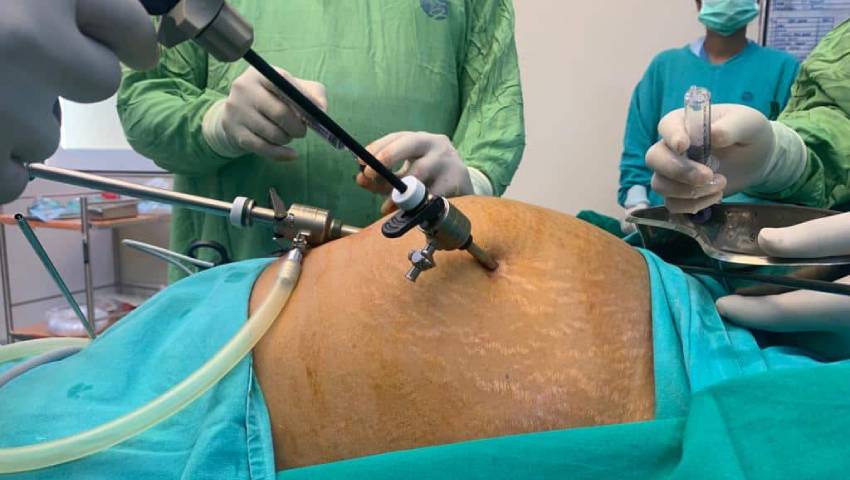
Endometriosis is a treatable condition, with the diagnosis made by laparoscopic surgery. Laparoscopic surgery is a minimally intrusive option that uses a small camera to decide if endometrial lesions are current and allows the surgeon to safely remove any visible endometriosis. There are also a variety of therapy options that can help endometriosis signs, including birth control, progesterone IUDs or anti-inflammatory medicines.

Myth 5: Hysterectomy is a Guaranteed Cure

Fact: A hysterectomy, or the removal of the uterus, is not a guaranteed cure for endometriosis. Since endometriosis includes tissue outside the uterus, removing the uterus does not address the root of the issue. Endometrial-like tissue can continue to cause pain and symptoms even after a hysterectomy.

Myth 6: Endometriosis is Always Visible on Ultrasound or MRI

Fact: Endometriosis often cannot be detected with standard imaging tests like ultrasounds or MRIs. The gold standard for diagnosis is laparoscopy, a surgical process that allows doctors to view and biopsy endometrial tissue directly. Many women go undiagnosed for years because their indications are not visible on imaging tests.

Myth 7: Hormonal Therapies Cure Endometriosis

Fact: Hormonal treatments can help manage the signs of endometriosis, but they do not cure the condition. These therapies work by reducing or stopping menstruation, which can lessen the growth of endometrial tissue and alleviate pain. However, signs often return once therapy stops.

If you or someone you know is struggling with pelvic pain, it’s important to address your concerns. Don’t hesitate to See Dr. Shraddha Galgali. Do make an appointment with the Best Gynecologist in Wakad at a center nearest to you. Consult with Dr. Shraddha Galgali who will carry out the needed investigations, diagnose the issue, and advise the most suitable therapy, enabling you to lead an active life.

Understanding Endometriosis Recurrence Post-Hysterectomy

Endometriosis, a chronic condition where tissue similar to the lining inside the uterus grows outside of it, can cause significant pain and discomfort for those affected. Endometriosis Recurrence Post-Hysterectomy, the surgical removal of the uterus, is often considered a last-resort treatment for severe endometriosis symptoms. However, for some women, the relief provided by hysterectomy may be temporary, as endometriosis can recur even after this procedure. Dr. Shraddha Galgali is one of the best gynecologists in Punawale, Pune and she explains why this recurrence happens and how managing it is crucial for those living with endometriosis.

What is Endometriosis?

Endometriosis is a disease in which the tissue on the lining of the uterus grows outside the uterus. It causes pain in the pelvis and other complications. It can start in menarche and can last until menopause.

The growth of the tissue outside of the uterus causes inflammation and scar tissue formation in the pelvis and elsewhere. Endometriosis creates symptoms like the following:

  • Severe pain in the pelvis
  • Menstrual discomfort
  • Difficulty in using the bathroom
  • Trouble getting pregnant
  • Fatigue
  • Depression and anxiety

Risk Factors for Recurrence:

Dr. Shraddha Galgali stated several factors can increase the likelihood of endometriosis recurrence after a hysterectomy:

  • Incomplete removal of endometrial tissue during the initial surgery
  • Retention of ovaries, which continue hormone production
  • Advanced stage of endometriosis at the time of hysterectomy
  • Genetic predisposition to endometriosis

Hysterectomy and Endometriosis:

One treatment for endometriosis is a hysterectomy. A hysterectomy is a procedure in which the uterus is surgically removed. When utilized for treating endometriosis, this surgery eliminates the endometrial tissue and the uterus with or without the ovaries.

Most patients with endometriosis do not require a hysterectomy. According to research in India, only 12% of women who suffer from endometriosis get a hysterectomy.

Like any medical treatment, endometriosis has its advantages and disadvantages.

Advantages:

  • The relief of symptoms
  • No menstrual periods or associated pain
  • No worries about pregnancy

Disadvantages:

  • If the ovaries are removed, early menopause, which can cause:
  • Vaginal dryness
  • Lowered libido
  • Pain during sex
  • Organ prolapses, a situation in which one or more organs slip from their place
  • An inability to get pregnant
  • The possibility that endometriosis will recur

How and why Endometriosis Recurrence Post-Hysterectomy:

There is no consensus on what causes endometriosis recurrence post a hysterectomy.

  • Incomplete Excision of Endometriosis: Incomplete removal of endometriotic tissue is the most predominant reason for recurrence found in the literature.
  • Conservation of Ovaries During Hysterectomy: Performing a hysterectomy without removing the ovaries is another cause of recurrence. A high recurrence rate is reported in cases where the ovaries are conserved during hysterectomy.
  • Patient Consideration: There is a possibility of endometriosis recurring even after a hysterectomy. The patient must carefully consider this possibility before deciding to undergo hysterectomy. Factors to consider include the patient’s age and the impact of early menopause on her lifestyle.
  • Surgical Precision: The surgery must be flawless for effective management. Recurrence of endometriosis symptoms and pelvic pain are directly correlated to the precision of the surgery. Surgical efforts should aim to completely eradicate endometriotic lesions to minimize the risk of recurrence.

Should you have a Hysterectomy?

If you have endometriosis there are other therapies other than a hysterectomy. Please think carefully before selecting to undergo one.

If you do, we at Dr. Shraddha’s EXCELLA Woman’s Wellness Clinic will perform a highly precise, safe, and effective hysterectomy. We will ensure that your endometriosis doesn’t repeat.

If you are considering a hysterectomy for endometriosis or are experiencing symptoms after the procedure, it is essential to discuss all options and concerns with your Dr. Shraddha Galgali is the best Infertility Treatment in Punawale, Pune to determine the best course of action for your individual needs.

Feel Free to Book an appointment with the Best Female Gynecologist in Wakad. please call 9923956515!