
Author Archives: Dr. Shraddha Galgali

Twin Pregnancy Care Tips from Gynecologists

A twin pregnancy is a special and happy experience, but it needs extra care. Expecting two babies brings double joy, along with the need for regular check-ups and proper medical attention. With the right care and guidance from an experienced gynecologist like Dr. Shraddha Galgali, many women can enjoy a healthy twin pregnancy and a safe delivery. Let us learn more about twin pregnancy care with guidance from one of the best gynecologists in Pune.

What is a twin pregnancy?

A twin pregnancy occurs when a woman carries two babies in her uterus at the same time. A twin pregnancy can happen naturally or with medical support for conception. Twin pregnancies are becoming more common today due to lifestyle changes and assisted reproductive techniques.

Types of Twin Pregnancies:

Twin pregnancies are mainly classified based on how the babies develop and whether they share a placenta. Knowing the type of twin pregnancy helps gynecologists plan proper care, decide scan frequency, and reduce possible risks during pregnancy.

  • Identical (Monochorionic) twins: Identical twins form when one fertilized egg divides into two embryos. These twins may share one placenta, which increases the risk of certain complications and requires close monitoring.
  • Fraternal (Dichorionic) twins: These twins develop from two different eggs, each fertilized separately. Each baby usually has its own placenta, reducing some risks compared to identical twins.

Why Chorionicity matters in care and monitoring?

Knowing whether twins share a placenta helps gynecologists plan scan frequency, monitor growth, and prevent complications such as TTTS. Early diagnosis is extremely important for safe pregnancy management.

Why twin pregnancies need extra care?

In a twin pregnancy, a mother’s body has to work extra hard to care for two babies at the same time. Because of this, the body needs more nutrients and rest. Twin pregnancies also have a higher chance of health problems compared to single pregnancies, but with regular check-ups and proper medical care, these risks can be managed well.

Twin Pregnancy Care Tips from Dr. Shraddha Galgali:

A twin pregnancy needs extra care and close medical supervision to ensure the health of both the mother and babies. Here, 14 care tips are being shared by Dr. Shraddha Galgali to help ensure a safe and healthy twin pregnancy.

  • Attend Regular Antenatal Check-ups: Twin pregnancies are considered high-risk, so frequent visits help monitor fetal growth, placenta health, and maternal well-being.
  • Follow a Nutrient-Rich Diet: Include protein, iron, calcium, folic acid, and omega-3 fatty acids to support the growth of both babies and prevent anemia.
  • Gain Healthy Weight Gradually: Proper weight gain is essential in twin pregnancies and should be guided by your gynecologist to avoid complications.
  • Stay Well Hydrated: Drinking enough fluids helps reduce the risk of preterm contractions and supports overall pregnancy health.
  • Take Prescribed Supplements Regularly: Iron, calcium, and prenatal vitamins are especially important in twin pregnancies—take them only as advised by your doctor.
  • Get Adequate Rest and Sleep: Fatigue is common with twins. Short daytime naps and sufficient nighttime sleep help prevent exhaustion.
  • Avoid Heavy Physical Activity: Gentle exercises like walking or prenatal yoga may be allowed, but strenuous work and long standing hours should be avoided.
  • Watch for Signs of Preterm Labor: Symptoms like back pain, abdominal tightening, pelvic pressure, or vaginal discharge should be reported immediately.
  • Monitor Blood Pressure and Sugar Levels: Twin pregnancies have a higher risk of preeclampsia and gestational diabetes, making regular screening essential.
  • Undergo Timely Ultrasounds and Tests: Frequent scans help track baby growth, amniotic fluid levels, and placental position.
  • Manage Stress and Emotional Health: Relaxation techniques, breathing exercises, and family support play a big role in a healthy twin pregnancy.
  • Plan Delivery with Your Gynecologist: Mode and timing of delivery depend on baby positions, gestational age, and maternal health.
  • Avoid Self-Medication: Always consult your gynecologist before taking any medicine, supplements, or home remedies.
  • Choose an Experienced Maternity Care Provider: Expert guidance ensures early detection and management of complications common in twin pregnancies.

When to Consult a Gynecologist Immediately?

In a twin pregnancy, it is important to watch for any unusual signs and seek medical help without delay. You should contact your gynecologist immediately if you experience severe abdominal pain, heavy bleeding, sudden swelling in your hands or face, severe headaches, or decreased fetal movements.

Why Choose Dr. Shraddha Galgali for Twin Pregnancy Care?

Choosing the right gynecologist is very important for a twin pregnancy, as it needs special care and close monitoring. Dr. Shraddha Galgali is a trusted gynecologist with 8+ years of experience in managing normal and high-risk pregnancies, including twin pregnancies. She provides personalized care, regular monitoring, and clear guidance at every stage of pregnancy.

Conclusion:

A twin pregnancy requires extra care, but with proper planning, regular check-ups, and guidance from an experienced gynecologist, it can be a healthy and fulfilling journey. Trust your doctor, follow medical advice, and focus on your physical and emotional well-being for a safe pregnancy and happy motherhood. If you are expecting twins or planning a pregnancy, book an appointment with Dr. Shraddha Galgali for timely guidance and personalized care.

When Is Laparoscopic Surgery Recommended for Women?

Laparoscopic surgery, also known as minimally invasive surgery, has transformed the way gynecological conditions are diagnosed and treated. Instead of large incisions, this advanced technique uses small cuts and specialized instruments, making treatment safer and recovery faster. Today, laparoscopic surgery in Punawale and Pune is increasingly preferred in modern gynecology due to its precision, minimal pain, and quicker healing. Early diagnosis and timely consultation with an experienced gynecologist play a crucial role in achieving better outcomes.

What Is Laparoscopic Surgery?

Laparoscopic surgery is a minimally invasive procedure in which a thin camera (laparoscope) and fine surgical instruments are inserted through small incisions in the abdomen. The camera gives a clear, magnified view of internal organs, helping in accurate diagnosis and treatment when performed by an experienced specialist, such as the best gynecologist in Pune,using advanced techniques.

Difference Between Laparoscopic and Open Surgery:

Unlike traditional open surgery, laparoscopy requires smaller incisions, causes less tissue damage, and significantly reduces recovery time. Open surgery involves larger cuts, longer hospital stays, and more post-operative discomfort.

Common Gynecological Conditions Treated with Laparoscopy:

Laparoscopic surgery is commonly used to diagnose and treat several gynecological conditions that affect women’s reproductive health. It helps doctors clearly identify problems and provide effective treatment with less pain, minimal scars, and faster recovery compared to traditional surgery.

  1. Infertility Evaluation & Treatment: Laparoscopy plays an important role in infertility evaluation and treatment. It helps the doctor check the uterus, ovaries, and fallopian tubes closely to find problems such as blocked tubes, endometriosis, or pelvic adhesions that may affect pregnancy. Once the cause is identified, treatment can often be done during the same procedure, improving the chances of conception.
  2. Ovarian Cysts: Ovarian cysts are fluid-filled sacs that form on the ovaries and are common in many women. While many cysts are harmless and disappear on their own, some can grow large, cause pain, or affect fertility. Laparoscopic surgery helps remove such cysts safely with small cuts, less discomfort, and quicker recovery.
  3. Endometriosis: Symptoms such as severe menstrual pain, heavy bleeding, infertility, and chronic pelvic discomfort may indicate endometriosis. Laparoscopic surgery helps in accurate diagnosis and effective removal of endometrial tissue, offering long-term symptom relief.
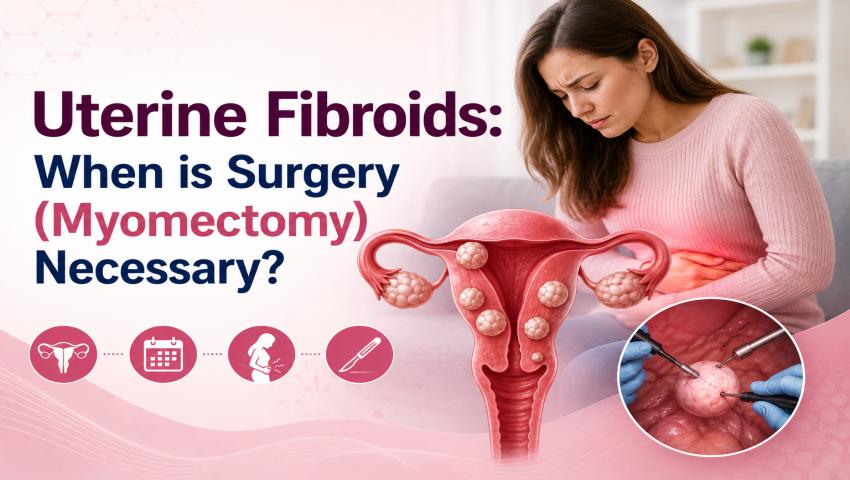
  4. Uterine Fibroids: Laparoscopy is recommended for fibroids depending on their size, number, and location. Fertility-preserving laparoscopic procedures allow women to manage fibroids while planning future pregnancies.
  5. Ectopic Pregnancy: Ectopic pregnancy is a medical emergency. Laparoscopic surgery allows quick intervention, minimizing complications and preserving reproductive health when possible. It plays a life-saving role in such cases.
  6. Chronic Pelvic Pain: When medications fail to relieve chronic pelvic pain, diagnostic laparoscopy helps identify underlying causes such as adhesions or endometriosis and provides immediate treatment if required.

When Do Doctors Recommend Laparoscopic Surgery?

Doctors recommend laparoscopic surgery when medicines do not give relief, symptoms keep coming back, or an accurate diagnosis is needed. Dr. Shraddha Galgali often suggests this minimally invasive approach because it allows effective treatment with less pain, faster recovery, and better overall outcomes for women.

Benefits of Laparoscopic Surgery for Women:

There are several situations where laparoscopic surgery is recommended for women because of its many advantages.

  • Smaller incisions with minimal scarring
  • Less pain and blood loss
  • Faster recovery and shorter hospital stay
  • Lower risk of infection
  • Better cosmetic results

These benefits make laparoscopic surgery a preferred choice for women today.

Who Is an Ideal Candidate?

Laparoscopic surgery is recommended for women who meet specific medical and health criteria.

  • Women with confirmed gynecological conditions
  • Those planning a pregnancy
  • Patients seeking a quicker recovery
  • Individuals are medically fit for surgery after evaluation.

When Laparoscopic Surgery May Not Be Suitable?

Although laparoscopic surgery is safe and effective for many women, it may not be suitable in every situation.

  • Certain medical conditions
  • Extensive pelvic infections
  • Advanced cancer
  • High surgical risk, as assessed by the gynecologist

Conclusion:

Laparoscopic surgery offers a modern, safe, and effective solution for many gynecological conditions. With benefits like faster recovery, minimal scarring, and improved fertility outcomes, timely consultation is essential.

If you are considering laparoscopic surgery in Punawale, consult Dr. Shraddha Galgali and book an appointment for expert guidance and personalized care.

Frequently Asked Questions (FAQ's):

Yes, laparoscopic surgery is generally safe when performed by an experienced gynecologist. It involves small cuts, causes less pain and bleeding, and has a faster recovery compared to open surgery, making it a trusted option for many women.

Recovery after laparoscopic surgery is usually quick. Most women can return to normal daily activities within a few days to one week, depending on the type of procedure and individual healing.

Yes, many women can conceive after a laparoscopy. In fact, the procedure often helps improve fertility by treating problems like blocked tubes or endometriosis that may be affecting pregnancy.

Laparoscopic surgery usually causes only mild pain or discomfort. Since the cuts are small, pain is much less compared to open surgery and can be easily managed with medicines.

Infertility Treatment in Wakad: When to Consult a Gynecologist?

Infertility is becoming a common concern for many couples today. Stressful lifestyles, delayed pregnancies, hormonal problems, and health conditions can affect the ability to conceive. The good news is that early diagnosis and proper treatment can significantly improve the chances of pregnancy. With growing awareness and advanced medical facilities,infertility treatment in Wakad and nearby areas like Punawale has become more accessible than ever.

What Is Infertility?

Infertility is medically defined as the inability to conceive after one year of regular, unprotected intercourse. For women above the age of 35, this timeline is usually reduced to six months.

There are two main types of infertility:

  • Primary infertility – When a woman has never conceived before
  • Secondary infertility – When a woman has conceived earlier but is unable to get pregnant again

Many people believe infertility is always a woman’s issue, but this is a myth. In reality, infertility can be due to female factors, male factors, or a combination of both. With proper evaluation and guidance from the best gynecologist in Pune, most causes of infertility can be accurately identified and effectively treated.

Common Causes of Infertility:

Infertility can occur due to health issues in women, men, or both partners. Hormonal problems, ovulation disorders, conditions like PCOS, and lifestyle factors are common reasons, but with timely diagnosis, most causes can be effectively managed.

Female Factors: Several health conditions can affect a woman’s fertility:

  • PCOS / PCOD: One of the most frequent and common reasons for infertility in women. Women with PCOS often face irregular periods and ovulation problems.
  • Hormonal imbalance: Thyroid disorders, high prolactin levels, or low progesterone can interfere with conception.
  • Ovulation problems: If eggs are not released regularly, pregnancy becomes difficult.
  • Endometriosis: A condition in which tissue similar to the uterine lining grows outside the uterus, leading to pain and difficulty in conceiving.
  • Uterine fibroids or polyps: These can affect implantation or pregnancy growth.
  • Blocked fallopian tubes: This condition stops the egg and sperm from meeting, making natural conception difficult.

Male Factors: Male infertility is equally common and may include:

  • Low sperm count
  • Poor sperm motility or quality
  • Lifestyle factors such as smoking, alcohol use, obesity, and stress

That is why fertility evaluation should always be done for both partners.

Signs You Should Consult a Gynecologist:

Many couples wait too long before seeking help. You should think about visiting a gynecologist if you notice or experience the following symptoms:

  • Irregular or missed periods
  • Very painful periods or chronic pelvic pain
  • Difficulty conceiving after 6–12 months of trying
  • Recurrent miscarriages
  • History of pelvic infections, surgeries, or abortions
  • Age above 30 and planning pregnancy

Early consultation with the best gynecologist in Wakad helps detect problems sooner and avoids unnecessary delays.

When Is the Right Time to Seek Infertility Treatment?

The right time depends on age, medical history, and symptoms:

  • Couples under 35 should seek help after 12 months of trying.
  • Women above 35 should consult after 6 months.
  • Those with known conditions like PCOS, endometriosis, or irregular periods should consult earlier.

As a woman’s age advances, both the quality and number of eggs gradually reduce. Early diagnosis and timely treatment offer better success rates, whether through medication, lifestyle changes, or advanced options like IVF treatment.

Why Choose a Gynecologist in Wakad for Infertility Care?

Selecting the right doctor is equally important as choosing the appropriate treatment. A qualified gynecologist provides:

  • Easy accessibility and convenience for regular follow-ups
  • Advanced diagnostic tests and ultrasound facilities
  • Personalized treatment plans based on individual needs
  • Emotional support and proper guidance throughout the journey

Dr. Shraddha Galgali, an experienced gynecologist, offers comprehensive fertility care with a patient-friendly approach. She offers care starting from basic fertility assessments and ovulation induction to advanced treatment options, including guidance for IVF treatment in Pune when needed.

Conclusion:

Infertility can be emotionally challenging, but it is important to remember that most infertility problems are treatable. The key lies in early consultation, accurate diagnosis, and expert medical guidance. If you are struggling to conceive or planning a pregnancy, do not delay seeking help. Consulting and booking an appointment with an experienced gynecologist like Dr. Shraddha Galgali can help you understand the cause and choose the right treatment path with confidence and hope.

White Discharge: What’s Normal & When to See a Gynecologist?

White discharge in women is a common concern and often raises questions such as is white discharge normal or whether vaginal discharge is normal or abnormal. In most cases, vaginal discharge plays an important role in keeping the vagina clean and healthy. However, a persistent white discharge problem in females may sometimes indicate an infection or hormonal imbalance. Seeking timely medical advice is important for proper care and reassurance. For expert White Discharge Treatment in Punawale, Pune, consulting the best gynecologist in Punawale, Pune, Dr. Shraddha Galgali, ensures accurate diagnosis, effective treatment, and personalized women’s healthcare.

What Is White Discharge (Leucorrhea)?

White discharge, medically known as leucorrhea, refers to a whitish or transparent fluid released from the vagina. The leucorrhea meaning is simple—it is a natural vaginal secretion that helps protect the reproductive organs. This vaginal white discharge is usually part of physiological vaginal discharge and contains healthy bacteria and cells that maintain vaginal balance. These normal vaginal secretions change during the menstrual cycle, ovulation, pregnancy, or due to hormonal shifts.

Types of White Discharge & What They Mean?

The color and consistency of vaginal discharge can tell a lot about vaginal health. Understanding white discharge texture meaning helps identify whether it is normal or needs attention.

  • Thick white discharge: Common before periods or during early pregnancy; usually normal unless accompanied by itching or odor.
  • Light white discharge: Often seen during ovulation or physical activity and is generally healthy.
  • Milky white discharge: Usually normal and may vary slightly throughout the cycle.

Changes in texture, quantity, or smell may indicate an issue.

Normal vs Abnormal White Discharge:

Below is a simple table to understand the difference between normal vaginal discharge and abnormal vaginal discharge:

Normal White Discharge:

  • Clear or milky white
  • Mild or no odor
  • No itching or pain
  • Changes with the cycle

Abnormal White Discharge:

  • Yellow, green, or grey
  • Strong or foul smell
  • Itching, burning, pain
  • Sudden excessive discharge

Excessive white discharge, white discharge with itching, or white discharge with foul smell should not be ignored.

Common Causes of Unusual White Discharge:

Some common causes of white discharge include:

  • Vaginal infections such as fungal or bacterial infections
  • Yeast infection discharge, which is thick and cottage-cheese-like
  • Bacterial vaginosis signs, often associated with a fishy odor
  • Hormonal imbalance discharge due to stress, PCOS, pregnancy, or medications

Warning Signs You Should Not Ignore:

Seek medical attention if you notice these abnormal discharge symptoms:

  • Vaginal discharge with pain in the lower abdomen
  • Burning sense with discharge while urinating
  • Discharge with itching and redness around the vagina
  • Persistent or worsening symptoms

When to Consult a Gynecologist?

Knowing when to see a gynecologist for white discharge is important. Consult a gynecologist for vaginal discharge if symptoms persist for more than a few days or interfere with daily life. Women searching for a female gynecologist near me should prioritize early consultation for timely vaginal infection treatment.

Dr. Shraddha Galgali, a trusted gynecologist with 8+ years of experience, provides expert evaluation and personalized care for vaginal health concerns.

Diagnosis & Treatment Options:

Proper diagnosis of vaginal discharge may include a physical exam and a vaginal swab test to identify infection. White discharge treatment depends on the cause and may involve:

  • Antifungal treatment for yeast infections
  • Antibiotics for vaginal infection caused by bacteria

Self-medication should be avoided as it may worsen the condition.

Tips to Maintain Vaginal Health:

Follow these simple vaginal hygiene tips and intimate hygiene for women:

  • Keep the area clean and dry
  • Avoid harsh soaps and douching
  • Wear breathable cotton underwear
  • Practice safe sexual habits

These steps help prevent vaginal infections and promote healthy vaginal care habits.

Conclusion:

White discharge in women is often normal, but changes in color, smell, or consistency should not be ignored. Understanding warning signs helps in getting timely care. If you are unsure whether your vaginal discharge is normal or abnormal, it is best to…

Book an appointment: today with Dr. Shraddha Galgali ,the best gynecologist doctor in Punawale, Pune, provides expert diagnosis, personalized treatment, and compassionate women’s healthcare.

Why Periods Become Irregular Before Menopause?

Many women in their late 30s and 40s start noticing changes in their menstrual cycle. Periods may come early, get delayed, become heavier, lighter, or sometimes skip completely. This phase often creates confusion and anxiety. According to Dr. Shraddha Galgali, one of the best gynecologists in Pune, irregular periods before menopause are common and usually related to natural hormonal changes in a woman’s body. Understanding why this happens can help women manage symptoms better and seek timely medical advice when needed. Dr. Shraddha Galgali provides expert care for menstrual disorders and menopause-related concerns at Dr. Shraddha Excella Women’s Clinic, Punawale, Pune, helping women stay healthy and confident during this important life stage.

What Is the Pre-Menopause Phase?

The years leading up to menopause are called perimenopause. This phase can begin as early as the late 30s or early 40s and may last for several years before periods stop completely. During perimenopause, the ovaries slowly start producing less estrogen and progesterone. These hormones control the menstrual cycle. When their levels fluctuate, periods often become irregular. Dr. Shraddha Galgali explains that perimenopause is a natural transition, but symptoms vary from woman to woman. For women seeking guidance and Menopause Treatment in Punawale, expert care helps manage cycle changes effectively.

Common Reasons for Irregular Periods Before Menopause:

1. Hormonal Imbalance: The most common reason for irregular periods before menopause is hormonal fluctuation. Estrogen levels may rise or fall unpredictably, affecting ovulation.

When ovulation does not occur regularly, periods may:

  • Come earlier or later
  • Become very heavy or very light
  • Skip for a few months

Dr. Shraddha Galgali, a trusted gynecologist in Pune, highlights that irregular ovulation is very common during this stage.

2. Missed or Delayed Ovulation: As women approach menopause, the ovaries do not release eggs every month. This leads to changes in the menstrual cycle.

If ovulation is missed:

  • Periods may get delayed
  • Bleeding may be heavier due to hormone buildup
  • Cycles may become unpredictable

This does not always mean menopause has started, but it is a sign that the body is transitioning.

3. Heavy or Prolonged Bleeding: Many women experience heavy periods before menopause. This happens when estrogen levels remain high and progesterone is low. The uterine lining becomes thicker and sheds more heavily.

Dr. Shraddha Galgali advises women not to ignore heavy bleeding, especially if it:

  • Lasts more than 7 days
  • Occurs very frequently
  • Causes weakness or anemia

At Dr. Shraddha Excella Women’s Clinic, Punawale, Pune, proper evaluation is done to rule out fibroids, polyps, or other conditions.

4. Stress and Lifestyle Changes: Stress plays a major role in menstrual irregularities. Women in their 40s often juggle work, family responsibilities, and health concerns.

Stress can disturb hormone balance and delay ovulation, leading to irregular periods. Poor sleep, lack of exercise, and unhealthy eating habits can worsen the problem.

Dr. Shraddha Galgali recommends lifestyle modification as an important part of managing menstrual changes.

5. Thyroid Disorders: Thyroid problems are common in women approaching menopause. Both hypothyroidism and hyperthyroidism can affect menstrual cycles.

Symptoms may include:

  • Irregular periods
  • Weight changes
  • Fatigue
  • Mood swings

Dr. Shraddha Galgali, known as one of the best gynecologists in Pune, ensures thyroid screening when required for women with irregular cycles.

6. Fibroids and Uterine Changes: Fibroids become more common with age and can cause:

  • Heavy bleeding
  • Irregular cycles
  • Pelvic pain

Though fibroids are non-cancerous, they can significantly affect quality of life. Early diagnosis helps in better management.

7. Medical Conditions Like PCOD: Some women continue to have PCOD symptoms even in their 40s. Hormonal imbalance due to PCOD can worsen cycle irregularity before menopause.

Dr. Shraddha Galgali offers expert PCOD management at her clinic in Punawale, Pune.

Is Irregular Period Before Menopause Normal?

Yes, irregular periods are common during perimenopause. However, not all irregular bleeding should be considered normal. Dr. Shraddha Galgali advises immediate consultation if:

  • Bleeding is very heavy
  • Periods occur every 2–3 weeks
  • Bleeding occurs after intercourse
  • Bleeding happens after long gaps
  • There is severe pain or weakness

Early evaluation helps rule out serious conditions and provides peace of mind.

Treatment Options for Irregular Periods Before Menopause:

Treatment depends on the cause, symptoms, and overall health of the woman. Options may include:

  • Lifestyle and dietary advice
  • Hormonal regulation
  • Treatment for fibroids or thyroid disorders
  • Iron supplements for anemia
  • Monitoring and follow-up

Dr. Shraddha Galgali believes in conservative and patient-friendly treatment, avoiding unnecessary medications whenever possible.

Consult Dr. Shraddha Galgali in Punawale, Pune:

Irregular periods before menopause should not be ignored or feared. With the right guidance, this phase can be managed smoothly. If you have questions, concerns, or need treatment, consult Dr. Shraddha Galgali at Dr. Shraddha Excella Women’s Clinic, Punawale, Pune. Early consultation ensures better health, comfort, and long-term well-being. Book your appointment today and take the first step toward understanding your body better.