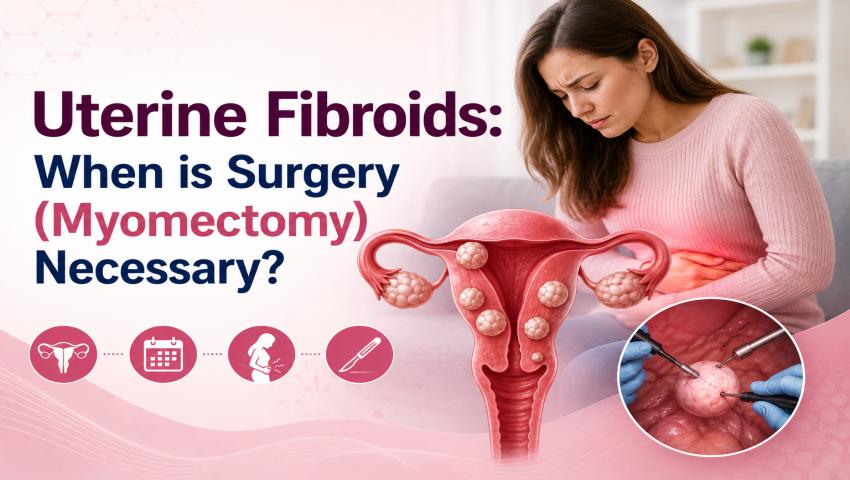
Discovering that you have uterine fibroids can bring up a lot of questions. Are they dangerous? Will they affect my fertility? Do I need to get them removed? First, take a deep breath. Uterine fibroids are non-cancerous (benign) growths that develop in or around the wall of the uterus. They are incredibly common, affecting up to 70-80% of women by the time they reach age 50. In fact, many women have them and never even know it because they experience zero symptoms.
However, for some women, fibroids can cause severe pain, heavy bleeding, and fertility challenges. When lifestyle changes and medications fail to bring relief, surgery becomes a viable option.
If you are considering surgical options, a myomectomy is often the top choice—especially if you wish to preserve your fertility. Let’s dive into what a myomectomy is and exactly when it becomes necessary.
What is a Myomectomy?
Unlike a hysterectomy (which removes the entire uterus), a myomectomy is a surgical procedure that removes only the fibroids, leaving your uterus intact. Because it preserves your reproductive organs, it is the preferred surgical option for women who plan to have children in the future or who simply wish to keep their uterus.
Depending on the size, number, and location of your fibroids, a myomectomy can be performed in three ways:
- Abdominal Myomectomy (Open Surgery): For very large or numerous fibroids.
- Laparoscopic or Robotic Myomectomy (Keyhole Surgery): A minimally invasive approach using small incisions, offering faster recovery and less pain.
- Hysteroscopic Myomectomy: Done through the vagina and cervix (no incisions) for fibroids growing inside the uterine cavity.
When is a Myomectomy Necessary?
Your gynecologist will always look at your symptoms, your age, and your family planning goals before recommending surgery. Generally, a myomectomy is highly recommended in the following scenarios:
1. You Experience Heavy, Unprolonged Menstrual Bleeding:
If your periods are so heavy that you are changing pads every hour, passing large blood clots, or bleeding for more than a week, it’s a major red flag. Severe blood loss often leads to chronic fatigue and anemia (low red blood cell count). If hormonal medications or non-surgical treatments fail to control the bleeding, removing the fibroids is the best way to restore your quality of life.
2. Fibroids Are Interfering with Fertility or Causing Miscarriages:
While many women with fibroids have perfectly healthy pregnancies, certain fibroids can get in the way.
- Submucosal fibroids (which grow into the uterine cavity) can alter the lining of the womb, making it difficult for a fertilized egg to implant.
- Large fibroids can block the fallopian tubes, preventing sperm from meeting the egg. If you have been struggling with unexplained infertility or have experienced recurrent miscarriages, a myomectomy can significantly improve your chances of conceiving and carrying a baby to term.
3. You Suffer from Severe Pelvic Pain or Pressure:
As fibroids grow, they take up valuable space in your pelvis. This can lead to a constant, dull ache in your lower abdomen, chronic lower back pain, or pain during intercourse. If the pain is affecting your daily routine and over-the-counter painkillers no longer help, surgical removal is necessary.
4. The "Bulk Effect" (Pressure on Bladder and Bowel):
Large fibroids can weigh down on surrounding organs.
- If a fibroid presses against your bladder, you might feel the urge to urinate constantly or struggle to empty your bladder completely.
- If it presses against your bowel, it can cause chronic constipation, bloating, and abdominal distension (making your abdomen look prematurely pregnant).
5. Rapidly Growing Fibroids:
While fibroids are benign, any growth that increases in size very quickly needs careful evaluation. If your doctor notices during routine ultrasounds that a fibroid is growing aggressively, they may recommend a myomectomy to remove it and biopsy the tissue, ensuring there are no complications.
Is a Myomectomy Right for You?
The decision to undergo surgery is highly personal. If you are near menopause, your doctor might suggest waiting, as fibroids naturally shrink when estrogen levels drop after menopause. However, if you are in your reproductive years and fibroids are dictating your comfort, energy levels, or plans for a family, a myomectomy can be life-changing.
Next Steps: Consult an Expert
Every woman’s body and medical history are unique. If you suspect you have fibroids or have already been diagnosed and want to explore your surgical options—particularly minimally invasive laparoscopic myomectomy—it is crucial to consult an experienced gynecologist and advanced laparoscopic surgeon.
Don’t let chronic pain or heavy bleeding hold you back. Schedule a consultation today to discuss a personalized treatment plan tailored to your health and future goals.