White Discharge: What’s Normal & When to See a Gynecologist?

White discharge in women is a common concern and often raises questions such as is white discharge normal or whether vaginal discharge is normal or abnormal. In most cases, vaginal discharge plays an important role in keeping the vagina clean and healthy. However, a persistent white discharge problem in females may sometimes indicate an infection or hormonal imbalance. Seeking timely medical advice is important for proper care and reassurance. For expert White Discharge Treatment in Punawale, Pune, consulting the best gynecologist in Punawale, Pune, Dr. Shraddha Galgali, ensures accurate diagnosis, effective treatment, and personalized women’s healthcare.

What Is White Discharge (Leucorrhea)?

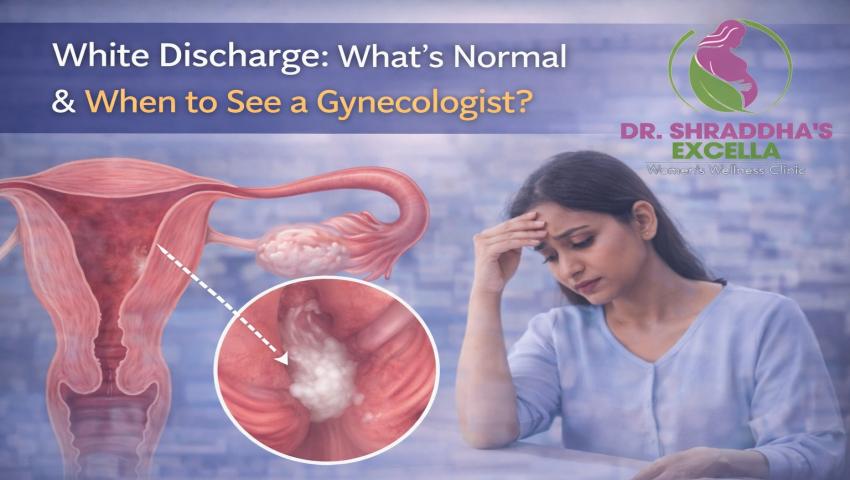
White discharge, medically known as leucorrhea, refers to a whitish or transparent fluid released from the vagina. The leucorrhea meaning is simple—it is a natural vaginal secretion that helps protect the reproductive organs. This vaginal white discharge is usually part of physiological vaginal discharge and contains healthy bacteria and cells that maintain vaginal balance. These normal vaginal secretions change during the menstrual cycle, ovulation, pregnancy, or due to hormonal shifts.

Types of White Discharge & What They Mean?

The color and consistency of vaginal discharge can tell a lot about vaginal health. Understanding white discharge texture meaning helps identify whether it is normal or needs attention.

  • Thick white discharge: Common before periods or during early pregnancy; usually normal unless accompanied by itching or odor.
  • Light white discharge: Often seen during ovulation or physical activity and is generally healthy.
  • Milky white discharge: Usually normal and may vary slightly throughout the cycle.

Changes in texture, quantity, or smell may indicate an issue.

Normal vs Abnormal White Discharge:

Below is a simple table to understand the difference between normal vaginal discharge and abnormal vaginal discharge:

Normal White Discharge:

  • Clear or milky white
  • Mild or no odor
  • No itching or pain
  • Changes with the cycle

Abnormal White Discharge:

  • Yellow, green, or grey
  • Strong or foul smell
  • Itching, burning, pain
  • Sudden excessive discharge

Excessive white discharge, white discharge with itching, or white discharge with foul smell should not be ignored.

Common Causes of Unusual White Discharge:

Some common causes of white discharge include:

  • Vaginal infections such as fungal or bacterial infections
  • Yeast infection discharge, which is thick and cottage-cheese-like
  • Bacterial vaginosis signs, often associated with a fishy odor
  • Hormonal imbalance discharge due to stress, PCOS, pregnancy, or medications

Warning Signs You Should Not Ignore:

Seek medical attention if you notice these abnormal discharge symptoms:

  • Vaginal discharge with pain in the lower abdomen
  • Burning sense with discharge while urinating
  • Discharge with itching and redness around the vagina
  • Persistent or worsening symptoms

When to Consult a Gynecologist?

Knowing when to see a gynecologist for white discharge is important. Consult a gynecologist for vaginal discharge if symptoms persist for more than a few days or interfere with daily life. Women searching for a female gynecologist near me should prioritize early consultation for timely vaginal infection treatment.

Dr. Shraddha Galgali, a trusted gynecologist with 8+ years of experience, provides expert evaluation and personalized care for vaginal health concerns.

Diagnosis & Treatment Options:

Proper diagnosis of vaginal discharge may include a physical exam and a vaginal swab test to identify infection. White discharge treatment depends on the cause and may involve:

  • Antifungal treatment for yeast infections
  • Antibiotics for vaginal infection caused by bacteria

Self-medication should be avoided as it may worsen the condition.

Tips to Maintain Vaginal Health:

Follow these simple vaginal hygiene tips and intimate hygiene for women:

  • Keep the area clean and dry
  • Avoid harsh soaps and douching
  • Wear breathable cotton underwear
  • Practice safe sexual habits

These steps help prevent vaginal infections and promote healthy vaginal care habits.

Conclusion:

White discharge in women is often normal, but changes in color, smell, or consistency should not be ignored. Understanding warning signs helps in getting timely care. If you are unsure whether your vaginal discharge is normal or abnormal, it is best to…

Book an appointment: today with Dr. Shraddha Galgali ,the best gynecologist doctor in Punawale, Pune, provides expert diagnosis, personalized treatment, and compassionate women’s healthcare.

Why Periods Become Irregular Before Menopause?

Many women in their late 30s and 40s start noticing changes in their menstrual cycle. Periods may come early, get delayed, become heavier, lighter, or sometimes skip completely. This phase often creates confusion and anxiety. According to Dr. Shraddha Galgali, one of the best gynecologists in Pune, irregular periods before menopause are common and usually related to natural hormonal changes in a woman’s body. Understanding why this happens can help women manage symptoms better and seek timely medical advice when needed. Dr. Shraddha Galgali provides expert care for menstrual disorders and menopause-related concerns at Dr. Shraddha Excella Women’s Clinic, Punawale, Pune, helping women stay healthy and confident during this important life stage.

What Is the Pre-Menopause Phase?

The years leading up to menopause are called perimenopause. This phase can begin as early as the late 30s or early 40s and may last for several years before periods stop completely. During perimenopause, the ovaries slowly start producing less estrogen and progesterone. These hormones control the menstrual cycle. When their levels fluctuate, periods often become irregular. Dr. Shraddha Galgali explains that perimenopause is a natural transition, but symptoms vary from woman to woman. For women seeking guidance and Menopause Treatment in Punawale, expert care helps manage cycle changes effectively.

Common Reasons for Irregular Periods Before Menopause:

1. Hormonal Imbalance: The most common reason for irregular periods before menopause is hormonal fluctuation. Estrogen levels may rise or fall unpredictably, affecting ovulation.

When ovulation does not occur regularly, periods may:

  • Come earlier or later
  • Become very heavy or very light
  • Skip for a few months

Dr. Shraddha Galgali, a trusted gynecologist in Pune, highlights that irregular ovulation is very common during this stage.

2. Missed or Delayed Ovulation: As women approach menopause, the ovaries do not release eggs every month. This leads to changes in the menstrual cycle.

If ovulation is missed:

  • Periods may get delayed
  • Bleeding may be heavier due to hormone buildup
  • Cycles may become unpredictable

This does not always mean menopause has started, but it is a sign that the body is transitioning.

3. Heavy or Prolonged Bleeding: Many women experience heavy periods before menopause. This happens when estrogen levels remain high and progesterone is low. The uterine lining becomes thicker and sheds more heavily.

Dr. Shraddha Galgali advises women not to ignore heavy bleeding, especially if it:

  • Lasts more than 7 days
  • Occurs very frequently
  • Causes weakness or anemia

At Dr. Shraddha Excella Women’s Clinic, Punawale, Pune, proper evaluation is done to rule out fibroids, polyps, or other conditions.

4. Stress and Lifestyle Changes: Stress plays a major role in menstrual irregularities. Women in their 40s often juggle work, family responsibilities, and health concerns.

Stress can disturb hormone balance and delay ovulation, leading to irregular periods. Poor sleep, lack of exercise, and unhealthy eating habits can worsen the problem.

Dr. Shraddha Galgali recommends lifestyle modification as an important part of managing menstrual changes.

5. Thyroid Disorders: Thyroid problems are common in women approaching menopause. Both hypothyroidism and hyperthyroidism can affect menstrual cycles.

Symptoms may include:

  • Irregular periods
  • Weight changes
  • Fatigue
  • Mood swings

Dr. Shraddha Galgali, known as one of the best gynecologists in Pune, ensures thyroid screening when required for women with irregular cycles.

6. Fibroids and Uterine Changes: Fibroids become more common with age and can cause:

  • Heavy bleeding
  • Irregular cycles
  • Pelvic pain

Though fibroids are non-cancerous, they can significantly affect quality of life. Early diagnosis helps in better management.

7. Medical Conditions Like PCOD: Some women continue to have PCOD symptoms even in their 40s. Hormonal imbalance due to PCOD can worsen cycle irregularity before menopause.

Dr. Shraddha Galgali offers expert PCOD management at her clinic in Punawale, Pune.

Is Irregular Period Before Menopause Normal?

Yes, irregular periods are common during perimenopause. However, not all irregular bleeding should be considered normal. Dr. Shraddha Galgali advises immediate consultation if:

  • Bleeding is very heavy
  • Periods occur every 2–3 weeks
  • Bleeding occurs after intercourse
  • Bleeding happens after long gaps
  • There is severe pain or weakness

Early evaluation helps rule out serious conditions and provides peace of mind.

Treatment Options for Irregular Periods Before Menopause:

Treatment depends on the cause, symptoms, and overall health of the woman. Options may include:

  • Lifestyle and dietary advice
  • Hormonal regulation
  • Treatment for fibroids or thyroid disorders
  • Iron supplements for anemia
  • Monitoring and follow-up

Dr. Shraddha Galgali believes in conservative and patient-friendly treatment, avoiding unnecessary medications whenever possible.

Consult Dr. Shraddha Galgali in Punawale, Pune:

Irregular periods before menopause should not be ignored or feared. With the right guidance, this phase can be managed smoothly. If you have questions, concerns, or need treatment, consult Dr. Shraddha Galgali at Dr. Shraddha Excella Women’s Clinic, Punawale, Pune. Early consultation ensures better health, comfort, and long-term well-being. Book your appointment today and take the first step toward understanding your body better.

Preventing UTIs During Festive Gatherings: Tips from Dr. Shraddha Galgali

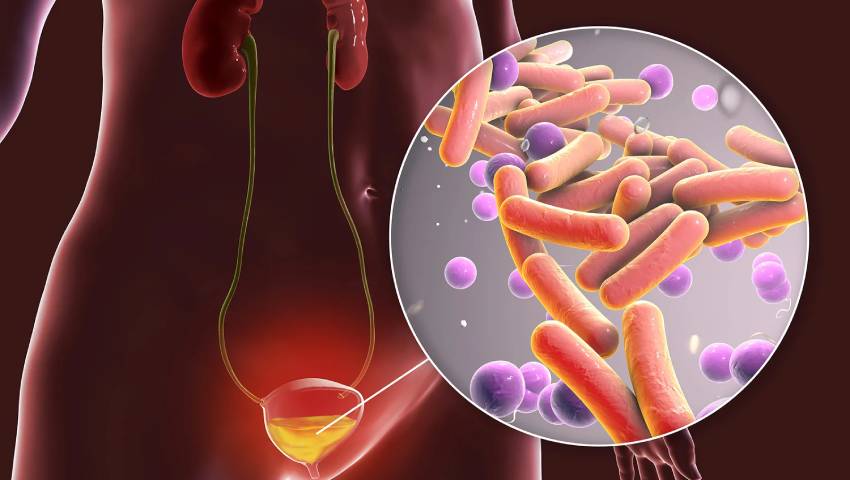
Prevent UTI’s  During Festivals — because festive seasons in India are a time of joy, gatherings, and celebrations. Families come together, homes are decorated, and the aroma of delicious food fills the air. However, amidst all the excitement, many women may face an uncomfortable health issue—urinary tract infections (UTIs).

Dr. Shraddha Galgali, one of the best gynecologist in Pune, emphasizes that while festive celebrations are joyful, women need to take extra care of their health to prevent UTIs. Frequent traveling, changes in diet, irregular fluid intake, and prolonged sitting during celebrations can increase the risk of developing infections. UTIs are common bacterial infections that affect the urinary tract. Symptoms may include a burning sensation during urination, frequent urge to urinate, lower abdominal discomfort, and sometimes even fever. Ignoring these symptoms can lead to complications, especially in women with existing health issues. Dr. Shraddha Galgali, with her extensive experience in gynecology in Pune, provides comprehensive care and guidance for preventing and treating UTIs at Dr. Shraddha Excella Women’s Clinic, Punawale, Pune.

Why UTI's Are More Common During Festivals

Festive seasons often bring lifestyle changes. Dr. Shraddha Galgali explains that several factors contribute to an increased risk of UTIs during celebrations:

  • Dehydration: Busy schedules and traveling may lead to reduced water intake, which can cause bacterial growth in the urinary tract.
  • Dietary Changes: Rich, spicy, and sugary foods can irritate the bladder and increase infection risk.
  • Delayed Bathroom Visits: Long trips, parties, and functions often make women postpone urination, allowing bacteria to multiply.
  • Wearing Tight or Synthetic Clothing: Festive outfits sometimes include tight dresses or synthetic fabrics that trap moisture and encourage bacterial growth.
  • Reduced Hygiene: Traveling or attending crowded events may limit access to clean restrooms, raising the risk of infections.

7 Tips to Prevent UTI's During Festive Gatherings

Dr. Shraddha Galgali, the best gynecologist in Pune, shares practical tips for women to enjoy festivities without worrying about UTIs:

  • Stay Hydrated: Drinking plenty of water is one of the simplest ways to prevent UTIs. Water helps flush out bacteria from the urinary tract. Aim for at least 8–10 glasses a day, especially during busy festive schedules.
  • Practice Good Bathroom Habits: Do not delay urination. Urinating at regular intervals helps prevent bacterial growth. Always wipe from front to back to avoid spreading bacteria from the anal area to the urethra.
  • Maintain Personal Hygiene: Carry sanitary wipes or tissues when traveling. Wash the genital area with mild soap and water. Avoid harsh chemicals or scented products that can irritate the urinary tract.
  • Choose Comfortable Clothing: Opt for loose-fitting cotton clothes. Tight or synthetic clothing may increase moisture and warmth, which promotes bacterial growth. Comfortable clothing reduces the risk of UTIs.
  • Watch Your Diet: While enjoying festive treats, try to limit spicy, oily, and sugary foods. Include fresh fruits and vegetables that help maintain urinary tract health. Cranberry juice is known to prevent bacterial adhesion in the urinary tract.
  • Practice Safe Intercourse: If sexually active, urinate before and after intercourse to flush out bacteria. Maintaining sexual hygiene is essential in preventing UTIs.
  • Avoid Holding Urine During Travel: Festive travel can be long and tiring. Carry a water bottle and take breaks to use clean restroom facilities. Avoid holding urine for extended periods.

When to See a Gynecologist?

Even with precautions, some women may develop UTIs. Dr. Shraddha Galgali advises that early consultation is crucial. Symptoms such as painful urination, frequent urination, cloudy urine, or lower abdominal pain should not be ignored. At Dr. Shraddha Excella Women’s Clinic, Punawale, Pune, Dr. Shraddha Galgali provides advanced diagnosis and treatment for UTIs. The clinic is equipped with modern facilities for urine testing, culture tests, and comprehensive gynecological care. Women with recurrent UTIs, diabetes, pregnancy, or other health conditions should consult a gynecologist promptly. Timely treatment can prevent complications such as kidney infections or chronic urinary problems.

Consult Dr. Shraddha Galgali for UTI Treatment in Punawale :

Festive celebrations are meant to be joyful. By following preventive measures and seeking timely medical care, women can avoid UTIs and enjoy festivities with comfort and confidence. If you have any questions or need treatment, consult Dr. Shraddha Galgali at Dr. Shraddha Excella Women’s Clinic, Punawale, Pune. The clinic offers expert guidance and treatment for all gynecological concerns, ensuring your urinary health and overall well-being. Book an appointment today to take care of your health and celebrate the festive season without any worry.

PCOS and Diwali: Managing Sugar Cravings Without Affecting Hormones

Diwali is a festival full of lights, joy, and of course, sweets! For many, it is the most awaited time of the year. However, when it comes to PCOS and Diwali, managing sugar cravings can be a challenge for women with PCOS (Polycystic Ovary Syndrome). Uncontrolled sugar intake can worsen hormonal imbalance and trigger weight gain, irregular periods, and insulin resistance.

If you are looking for the best gynecologist in Pune to guide you through managing PCOS during festive seasons, Dr. Shraddha Galgali is one of the most trusted names in women’s health. She provides expert care at Dr. Shraddha’s EXCELLA Women’s Clinic, Punawale, Pune, helping women maintain their health without compromising their festive spirit.

Understanding Sugar Cravings in PCOS and Diwali Celebrations

PCOS is a hormonal disorder that affects women of reproductive age. Women with PCOS often have high levels of androgens, irregular menstrual cycles, and insulin resistance.

Sugar cravings during festivals like Diwali are common, but for women with PCOS, consuming too many sweets can:

  • Increase insulin resistance
  • Cause hormonal imbalance
  • Lead to weight gain
  • Worsen acne and hair growth issues

According to Dr. Shraddha Galgali, proper management of diet, exercise, and lifestyle can help women with PCOS enjoy Diwali and other festivals without affecting their hormones.

Tips to Manage Sugar Cravings During Diwali:

  • Opt for Healthy Sweets: Instead of traditional sugar-laden sweets, try desserts made with natural sweeteners like stevia, jaggery, or dates. These are safer options for women with PCOS as they cause a slower rise in blood sugar.
  • Practice Portion Control: You don’t have to completely avoid sweets. Dr. Shraddha Galgali suggests taking small portions and spacing them out during the day. This prevents blood sugar spikes and keeps insulin levels under control.
  • Include Protein with Sweets: Pairing sweets with a protein source like nuts, seeds, or a glass of milk can reduce the sugar absorption rate. This is especially important for women with PCOS who need to control insulin resistance.
  • Stay Hydrated: Drinking enough water helps in reducing sugar cravings and aids in proper digestion. Dr. Shraddha Galgali emphasizes that hydration is often overlooked during festival celebrations, but it is crucial for women with PCOS.
  • Keep a Balanced Diet: Along with festive treats, maintain a diet rich in fiber, whole grains, and vegetables. This helps in stabilizing blood sugar and supporting hormonal balance.
  • Exercise Regularly: Even light physical activity like walking or yoga can help manage sugar cravings and improve insulin sensitivity. Dr. Shraddha Galgali, the best gynecologist in Pune, advises women with PCOS to maintain regular exercise, especially during festive seasons when indulgence is common.

PCOS-Friendly Food Ideas for a Healthier Diwali

Here are some easy ways to enjoy Diwali treats without harming hormonal balance:

  • Dry Fruits & Nuts Laddoo – Made with almonds, walnuts, and jaggery
  • Dates and Coconut Balls – Naturally sweet and nutrient-rich
  • Low-Sugar Barfi – Using milk powder, coconut, and natural sweeteners
  • Homemade Chocolate Treats – Using dark chocolate or cocoa powder with minimal sugar

Dr. Shraddha Galgali recommends preparing sweets at home whenever possible. This allows control over sugar and fat content, making festive celebrations safe for women with PCOS.

Book an Appointment:

Managing PCOS during Diwali does not have to be stressful. With proper guidance, women can enjoy the festival without compromising their hormonal health. If you have questions or need treatment for PCOS or related gynecological issues, consult Dr. Shraddha Galgali at Dr. Shraddha’s EXCELLA Women’s Clinic, Punawale, Pune. Experience expert care, personalized guidance, and a compassionate approach to women’s health. Call today or book your appointment online to take the first step towards healthy, balanced living this Diwali!

How Are Ovarian Cysts treatment Treated? A Complete Guide

Ovarian cysts treatment plays a key role in women’s reproductive health. While most cysts are harmless and resolve naturally, some can cause pain, irregular periods, or complications that need medical care. Many women in Pune consult the best gynecologist for proper diagnosis and personalized treatment.In such cases, Dr. Shraddha Galgali, one of the most trusted and experienced gynecologists in Pune, provides advanced and personalised treatment for ovarian cysts. Dr. Shraddha Galgali practices at Dr. Shraddha’s EXCELLA Women’s Wellness Clinic in Punawale, Pune, which is well-known for providing comprehensive women’s health services. With more than 10 years of experience, she has become a preferred choice for women looking for expert gynecology care in Pune.

This blog will give you a complete guide on how ovarian cysts are treated, when you should visit a doctor, and why Dr. Shraddha Galgali is considered the best gynecologist in Pune for ovarian cyst management.

What Are Ovarian Cysts?

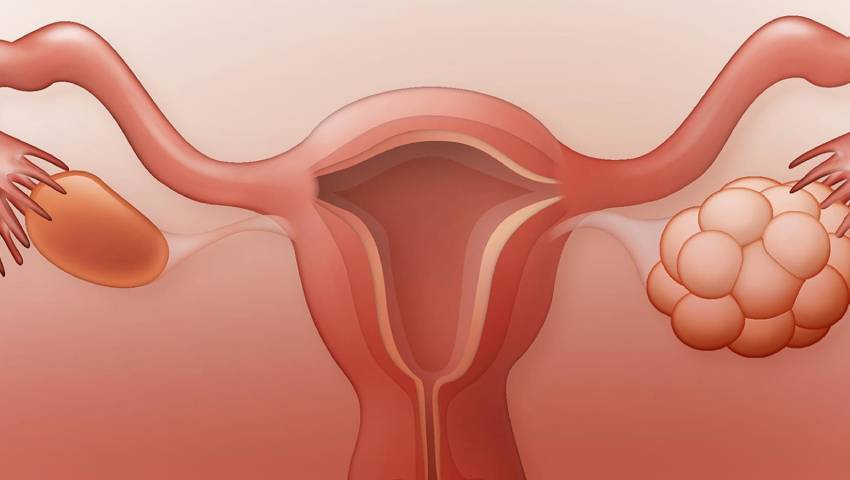
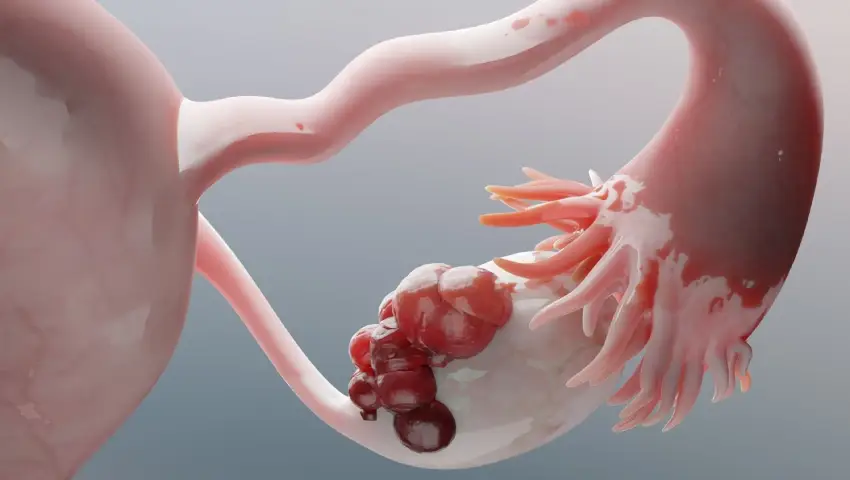
Ovarian cysts are fluid-filled sacs that develop inside or on the surface of a woman’s ovary. These cysts can occur due to hormonal changes, ovulation, pregnancy, or other underlying health conditions. Most ovarian cysts are functional, meaning they form naturally during the menstrual cycle and usually resolve without treatment. However, some cysts may grow large, become painful, or cause complications like rupture or twisting of the ovary (ovarian torsion).

Symptoms of Ovarian Cysts:

While small cysts often do not cause symptoms, some women may experience:

  • Pelvic pain (usually on one side)
  • Bloating or abdominal swelling
  • Painful periods
  • Pain during intercourse
  • Frequent urination or difficulty emptying the bladder
  • Irregular menstrual cycles

How Are Ovarian Cysts Treated?

Treatment for ovarian cysts depends on the type, size, symptoms, and overall health of the woman. Dr. Shraddha Galgali, one of the best gynecologists in Pune, follows a patient-focused approach to decide the right treatment.

Watchful Waiting:

If the cyst is small and not causing symptoms, Dr. Shraddha Galgali may recommend a “wait and watch” approach. Regular sonography is done to check if the cyst disappears on its own, which is very common.

Medications:

Hormonal medicines like birth control pills may be prescribed to regulate periods and prevent the formation of new cysts. These medicines do not shrink existing cysts but are effective in managing future risk.

Pain Management:

For women experiencing discomfort, pain-relieving medicines are suggested. Lifestyle modifications such as regular exercise and diet changes may also be advised.

Laparoscopic Surgery:

When cysts are large, painful, or suspected to be cancerous, surgery may be required. Dr. Shraddha Galgali is an expert in advanced laparoscopic surgery in Pune, which is a minimally invasive procedure. This ensures faster recovery, smaller cuts, and minimal scarring.

  • Cystectomy – Removal of the cyst while preserving the ovary.
  • Oophorectomy – Removal of the entire ovary, if necessary.
Treatment for Complex Cysts:

In rare cases, cysts may be cancerous or linked to endometriosis/PCOS. In such situations, Dr. Shraddha Galgali provides a comprehensive treatment plan, combining surgery, medical management, and long-term follow-up.

Why Choose Dr. Shraddha Galgali for Ovarian Cyst Treatment in Pune?

When searching for the best gynecologist in Pune, patients want someone who is not only highly qualified but also compassionate. Here’s why Dr. Shraddha Galgali is the most trusted choice for women’s health care in Pune:

  • High Expertise: More than 10 years of experience in gynecology and laparoscopic surgery.
  • Advanced Training: Fellowship in Laparoscopy & Hysteroscopy from Italy.
  • Specialist in High-Risk Cases: Expert in handling complex ovarian cyst cases and high-risk pregnancies.
  • Modern Clinic: Dr. Shraddha’s EXCELLA Women’s Wellness Clinic, Punawale, Pune, is equipped with state-of-the-art facilities.
  • Patient-Centric Care: Focus on personalized treatment with empathy and compassion.

Ovarian Cysts and Fertility:

Many women worry whether ovarian cysts can affect fertility. In most cases, functional cysts do not cause infertility and may resolve naturally. However, conditions like PCOS, endometriosis, or repeated cyst formation may impact fertility. Dr. Shraddha Galgali, Pune’s leading gynecologist, also offers infertility treatment and counselling. She provides guidance on lifestyle changes, medications, and advanced procedures like IVF when required. This makes her one of the most preferred gynecologists for women planning pregnancy in Pune.

Conclusion:

Ovarian cysts are common, but with timely diagnosis and treatment, most women recover without complications. For women in Pune looking for the best gynecologist for ovarian cyst treatment, Dr. Shraddha Galgali offers world-class expertise, advanced laparoscopic skills, and compassionate care. She consults and provides treatment at Dr. Shraddha’s EXCELLA Women’s Wellness Clinic, Punawale, Pune. Whether it is routine pregnancy care, infertility management, laparoscopic surgery, or ovarian cyst treatment, Dr. Shraddha Galgali is trusted by hundreds of women across Pune. If you have any questions about ovarian cysts or need expert treatment, consult Dr. Shraddha Galgali, one of the best gynecologists in Pune.