
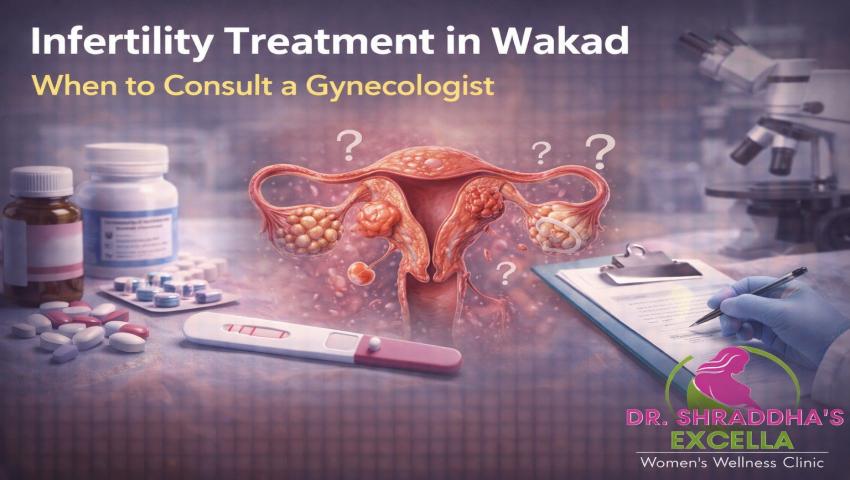
Infertility is becoming a common concern for many couples today. Stressful lifestyles, delayed pregnancies, hormonal problems, and health conditions can affect the ability to conceive. The good news is that early diagnosis and proper treatment can significantly improve the chances of pregnancy. With growing awareness and advanced medical facilities,infertility treatment in Wakad and nearby areas like Punawale has become more accessible than ever.
What Is Infertility?
Infertility is medically defined as the inability to conceive after one year of regular, unprotected intercourse. For women above the age of 35, this timeline is usually reduced to six months.
There are two main types of infertility:
- Primary infertility – When a woman has never conceived before
- Secondary infertility – When a woman has conceived earlier but is unable to get pregnant again
Many people believe infertility is always a woman’s issue, but this is a myth. In reality, infertility can be due to female factors, male factors, or a combination of both. With proper evaluation and guidance from the best gynecologist in Pune, most causes of infertility can be accurately identified and effectively treated.
Common Causes of Infertility:
Infertility can occur due to health issues in women, men, or both partners. Hormonal problems, ovulation disorders, conditions like PCOS, and lifestyle factors are common reasons, but with timely diagnosis, most causes can be effectively managed.
Female Factors: Several health conditions can affect a woman’s fertility:
- PCOS / PCOD: One of the most frequent and common reasons for infertility in women. Women with PCOS often face irregular periods and ovulation problems.
- Hormonal imbalance: Thyroid disorders, high prolactin levels, or low progesterone can interfere with conception.
- Ovulation problems: If eggs are not released regularly, pregnancy becomes difficult.
- Endometriosis: A condition in which tissue similar to the uterine lining grows outside the uterus, leading to pain and difficulty in conceiving.
- Uterine fibroids or polyps: These can affect implantation or pregnancy growth.
- Blocked fallopian tubes: This condition stops the egg and sperm from meeting, making natural conception difficult.
Male Factors: Male infertility is equally common and may include:
- Low sperm count
- Poor sperm motility or quality
- Lifestyle factors such as smoking, alcohol use, obesity, and stress
That is why fertility evaluation should always be done for both partners.
Signs You Should Consult a Gynecologist:
Many couples wait too long before seeking help. You should think about visiting a gynecologist if you notice or experience the following symptoms:
- Irregular or missed periods
- Very painful periods or chronic pelvic pain
- Difficulty conceiving after 6–12 months of trying
- Recurrent miscarriages
- History of pelvic infections, surgeries, or abortions
- Age above 30 and planning pregnancy
Early consultation with the best gynecologist in Wakad helps detect problems sooner and avoids unnecessary delays.
When Is the Right Time to Seek Infertility Treatment?
The right time depends on age, medical history, and symptoms:
- Couples under 35 should seek help after 12 months of trying.
- Women above 35 should consult after 6 months.
- Those with known conditions like PCOS, endometriosis, or irregular periods should consult earlier.
As a woman’s age advances, both the quality and number of eggs gradually reduce. Early diagnosis and timely treatment offer better success rates, whether through medication, lifestyle changes, or advanced options like IVF treatment.
Why Choose a Gynecologist in Wakad for Infertility Care?
Selecting the right doctor is equally important as choosing the appropriate treatment. A qualified gynecologist provides:
- Easy accessibility and convenience for regular follow-ups
- Advanced diagnostic tests and ultrasound facilities
- Personalized treatment plans based on individual needs
- Emotional support and proper guidance throughout the journey
Dr. Shraddha Galgali, an experienced gynecologist, offers comprehensive fertility care with a patient-friendly approach. She offers care starting from basic fertility assessments and ovulation induction to advanced treatment options, including guidance for IVF treatment in Pune when needed.
Conclusion:
Infertility can be emotionally challenging, but it is important to remember that most infertility problems are treatable. The key lies in early consultation, accurate diagnosis, and expert medical guidance. If you are struggling to conceive or planning a pregnancy, do not delay seeking help. Consulting and booking an appointment with an experienced gynecologist like Dr. Shraddha Galgali can help you understand the cause and choose the right treatment path with confidence and hope.