
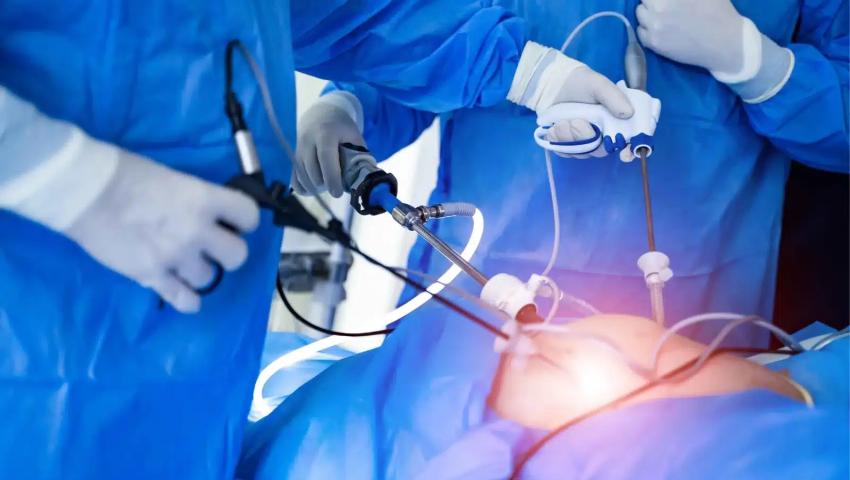
Laparoscopic surgery, also known as minimally invasive surgery, has transformed the way gynecological conditions are diagnosed and treated. Instead of large incisions, this advanced technique uses small cuts and specialized instruments, making treatment safer and recovery faster. Today, laparoscopic surgery in Punawale and Pune is increasingly preferred in modern gynecology due to its precision, minimal pain, and quicker healing. Early diagnosis and timely consultation with an experienced gynecologist play a crucial role in achieving better outcomes.
What Is Laparoscopic Surgery?
Laparoscopic surgery is a minimally invasive procedure in which a thin camera (laparoscope) and fine surgical instruments are inserted through small incisions in the abdomen, explaining the meaning of laproscopic. The camera gives a clear, magnified view of internal organs, helping in accurate diagnosis and treatment when performed by an experienced specialist, such as the best gynecologist in Pune, using advanced techniques.
Why Laparoscopy Done: Common Conditions Treated
Laparoscopic surgery is commonly used to diagnose and treat several gynecological conditions that affect women’s reproductive health. It helps doctors clearly identify problems and provide effective treatment with less pain, minimal scars, and faster recovery compared to traditional surgery.
- Infertility Evaluation & Treatment: Laparoscopy plays an important role in infertility evaluation and treatment. It helps the doctor check the uterus, ovaries, and fallopian tubes closely to find problems such as blocked tubes, endometriosis, or pelvic adhesions that may affect pregnancy. Once the cause is identified, treatment can often be done during the same procedure, improving the chances of conception.
- Ovarian Cysts: Ovarian cysts are fluid-filled sacs that form on the ovaries and are common in many women. While many cysts are harmless and disappear on their own, some can grow large, cause pain, or affect fertility. Laparoscopic surgery helps remove such cysts safely with small cuts, less discomfort, and quicker recovery.
- Endometriosis: Symptoms such as severe menstrual pain, heavy bleeding, infertility, and chronic pelvic discomfort may indicate endometriosis. Laparoscopic surgery helps in accurate diagnosis and effective removal of endometrial tissue, offering long-term symptom relief.
- Uterine Fibroids: Laparoscopy is recommended for fibroids depending on their size, number, and location. Fertility-preserving laparoscopic procedures allow women to manage fibroids while planning future pregnancies.
- Ectopic Pregnancy: Ectopic pregnancy is a medical emergency. Laparoscopic surgery allows quick intervention, minimizing complications and preserving reproductive health when possible. It plays a life-saving role in such cases.
- Chronic Pelvic Pain: When medications fail to relieve chronic pelvic pain, diagnostic laparoscopy helps identify underlying causes such as adhesions or endometriosis and provides immediate treatment if required.
When Do Doctors Recommend Laparoscopic Surgery?
Doctors recommend laparoscopic surgery when medicines do not give relief, symptoms keep coming back, or an accurate diagnosis is needed. Dr. Shraddha Galgali often suggests this minimally invasive approach because it allows effective treatment with less pain, faster recovery, and better overall outcomes for women.
Benefits of Laparoscopic Surgery for Women:
There are several situations where laparoscopic surgery is recommended for women because of its many advantages.
- Smaller incisions with minimal scarring
- Less pain and blood loss
- Faster recovery and shorter hospital stay
- Lower risk of infection
- Better cosmetic results
These benefits make laparoscopic surgery a preferred choice for women today.
Who Is an Ideal Candidate?
Laparoscopic surgery is recommended for women who meet specific medical and health criteria.
- Women with confirmed gynecological conditions
- Those planning a pregnancy
- Patients seeking a quicker recovery
- Individuals are medically fit for surgery after evaluation.
When Laparoscopic Surgery May Not Be Suitable?
Although laparoscopic surgery is safe and effective for many women, it may not be suitable in every situation.
- Certain medical conditions
- Extensive pelvic infections
- Advanced cancer
- High surgical risk, as assessed by the gynecologist
Conclusion:
Laparoscopic surgery offers a modern, safe, and effective solution for many gynecological conditions. With benefits like faster recovery, minimal scarring, and improved fertility outcomes, timely consultation is essential.
If you are considering laparoscopic surgery in Punawale, consult Dr. Shraddha Galgali and book an appointment for expert guidance and personalized care.
Frequently Asked Questions (FAQ's):
Yes, laparoscopic surgery is generally safe when performed by an experienced gynecologist. It involves small cuts, causes less pain and bleeding, and has a faster recovery compared to open surgery, making it a trusted option for many women.
Recovery after laparoscopic surgery is usually quick. Most women can return to normal daily activities within a few days to one week, depending on the type of procedure and individual healing.
Yes, many women can conceive after a laparoscopy. In fact, the procedure often helps improve fertility by treating problems like blocked tubes or endometriosis that may be affecting pregnancy.
Laparoscopic surgery usually causes only mild pain or discomfort. Since the cuts are small, pain is much less compared to open surgery and can be easily managed with medicines.