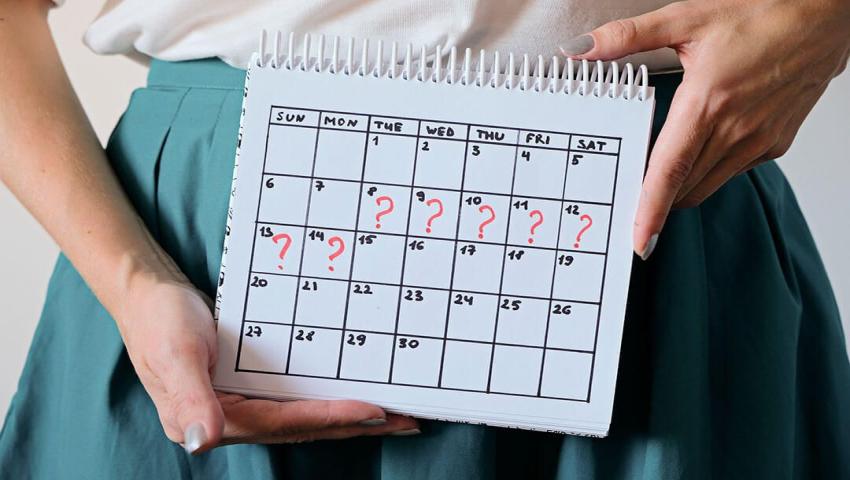
Are your periods suddenly becoming unpredictable after 30? Don’t ignore the signs your body is giving you.
A normal menstrual cycle usually occurs every 21 to 35 days, and bleeding typically lasts 3 to 7 days. In your 20s, periods are often more regular because hormone levels remain stable and ovulation happens consistently.But as women step into their 30s, menstrual cycle changes in their 30s are quite common. The body slowly begins to experience small hormonal shifts. These natural changes can sometimes result in irregular periods after 30, such as delayed cycles, early periods, heavier bleeding, or even skipped months.
While occasional changes are completely normal, frequent delays, very heavy bleeding, or repeated missed periods may be a sign of hormonal imbalance in women or an underlying health issue like PCOS, thyroid disorders, or stress-related disturbances.
If your periods have changed after 30, this blog will help you understand the reasons behind it and guide you on when to seek expert care from Dr. Shraddha Galgali, an experienced specialist at Dr. Shraddha Excella Women’s Clinic, Punawale, known as one of the best gynecologists in Pune.
What Is Considered an Irregular Period?
You might be experiencing irregular periods if you notice:
- Cycles shorter than 21 days
- Cycles longer than 35 days
- Missing periods for 2–3 months
- Very heavy bleeding (menorrhagia)
- Spotting between periods
- Severe lower abdominal pain
- Sudden changes in your usual pattern
If your period pattern changes frequently, it’s best to consult a gynecologist.
Main Causes of Irregular Periods After 30:
1. Hormonal Imbalance: Hormones like estrogen and progesterone control your menstrual cycle. After 30, their levels may fluctuate.
This can cause:
- Delayed ovulation
- Missed periods
- Heavy or light bleeding
Hormonal imbalance is one of the most common reasons for irregular cycles.
2. Polycystic Ovary Syndrome (PCOS): Polycystic Ovary Syndrome is a common hormonal condition that may be diagnosed in the 30s.
Symptoms include:
- Irregular or missed periods
- Weight gain
- Acne
- Excess facial hair
- Difficulty getting pregnant
PCOS affects ovulation and is a major cause of infertility if untreated.
3. Thyroid Disorders: Hypothyroidism and Hyperthyroidism can disturb your menstrual cycle. Thyroid hormones regulate metabolism and reproductive hormones. If the thyroid is underactive or overactive, periods can become irregular, heavy, or very light.
4. Stress & Lifestyle Changes: Career pressure, lack of sleep, emotional stress, or excessive workouts can disturb hormones. High stress increases cortisol levels, which may delay ovulation and cause late periods.
5. Weight Gain or Sudden Weight Loss: Sudden changes in body weight affect estrogen production. Obesity or being underweight can both cause ovulation problems and irregular cycles.
6. Perimenopause: Perimenopause usually starts after 35–40 years.
Early signs include:
- Irregular cycles
- Hot flashes
- Mood changes
- Shorter or longer cycles
Irregular periods are often the first sign of hormonal transition.
7. Uterine Conditions: Conditions inside the uterus can also cause abnormal bleeding:
- Uterine fibroids
- Endometrial polyp
- Endometriosis
These conditions may cause heavy bleeding, painful periods, or spotting.
8. Birth Control or Medications: Hormonal pills, emergency contraception, or certain antidepressants can temporarily disturb your cycle.
Endometriosis:
Endometriosis is a condition where tissue similar to the inner lining of the uterus grows outside the uterus — such as on the ovaries, fallopian tubes, or pelvic lining.
Common Symptoms:
- Severe period pain
- Pain during intercourse
- Heavy or irregular bleeding
- Difficulty getting pregnant
This condition can worsen with age if not treated. Many women ignore severe pain, thinking it is “normal,” but intense pain is not normal and needs evaluation.
Pelvic Inflammatory Disease (PID):
Pelvic inflammatory disease is an infection of the female reproductive organs. It usually happens due to untreated bacterial infections.
Symptoms May Include:
- Lower abdominal pain
- Fever
- Foul-smelling vaginal discharge
- Irregular bleeding
- Pain during intercourse
If not treated early, PID can cause infertility or long-term pelvic pain. Early antibiotic treatment usually resolves the infection.
Blood Disorders, Pituitary Issues & Cancers (Rare but Serious Causes):
Although rare, some serious medical conditions can cause irregular or heavy periods.
Blood Disorders Conditions that affect blood clotting can cause:
- Very heavy bleeding
- Prolonged periods
- Easy bruising
Women with bleeding disorders may notice heavy periods since their teenage years.
Pituitary Gland Problems: The pituitary gland controls many hormones in the body. If it does not function properly, it can disturb estrogen and progesterone levels.
This may lead to:
- Missed periods
- Milk discharge from breasts (without pregnancy)
- Headaches or vision problems (in rare tumors)
Uterine or Ovarian Cancers: Uterine cancer and Ovarian cancer are uncommon in women under 40, but they can cause:
- Abnormal or irregular bleeding
- Bleeding after intercourse
- Pelvic pain
- Unexplained weight loss
Any unusual bleeding, especially after 35, should be evaluated to rule out serious conditions.
High Prolactin Levels (Hyperprolactinemia):
Hyperprolactinemia occurs when the body produces too much prolactin hormone.
Prolactin normally increases during pregnancy and breastfeeding. But when elevated in non-pregnant women, it can:
- Stop ovulation
- Cause missed periods
- Lead to infertility
- Cause breast milk discharge
A simple blood test can diagnose this condition, and medications usually correct it.
Can Irregular Periods After 30 Affect Fertility?
Yes, they can.
If ovulation does not happen regularly, it becomes difficult to predict the fertile window. This may reduce the chances of pregnancy.
If you are trying to conceive and your cycles are irregular for more than 3–6 months, consult a fertility expert. Early treatment improves pregnancy chances.
Warning Signs You Should Not Ignore:
Irregular periods after 30 are common, but some symptoms may indicate a serious underlying problem. Below are important symptoms and why they matter:
- Bleeding longer than 7 days
- Soaking a pad every hour
- Severe pelvic pain
- Bleeding after intercourse
- Missing periods for 3 months or more
If you are experiencing frequent changes in your menstrual cycle, it’s important not to ignore them. Timely diagnosis and proper treatment can help prevent complications such as anemia, hormonal imbalance, or fertility issues. Consult Dr. Shraddha Galgali for expert evaluation and personalized care to understand the exact cause and receive the right treatment at the right time.
Diagnosis: What Tests May Be Required?
If your periods are irregular after 30, your doctor may suggest a few simple tests to find the exact cause. These usually include :
- Hormonal blood tests
- Thyroid profile
- Pelvic ultrasound
- Prolactin levels
- Pap smear (if needed)
These tests help identify the exact cause of irregular periods.
Treatment Options:
Treatment depends on the cause. Options include:
- Lifestyle correction (diet, exercise, stress control)
- Hormonal therapy
- Thyroid medication
- PCOS management
- Minor surgical procedures for fibroids or polyps
Most menstrual problems improve with the right treatment plan.
Natural Ways to Regulate Periods After 30:
While medical treatment is sometimes necessary, lifestyle changes can help:
- Balanced Diet: Focus on iron-rich foods (spinach, lentils) and Vitamin D.
- Moderate Exercise: Avoid intense or sudden heavy workouts; regular and steady exercise works better.
- Stress Management: Yoga, meditation, or even better sleep hygiene can work wonders.
Why Choose Dr. Shraddha Excella Women’s Clinic?
Choosing the right clinic for women’s health makes a big difference in your care and confidence. Here’s why Dr. Shraddha Excella Women’s Clinic stands out:
- Expert Care by an Experienced Specialist
- Personalized & Compassionate Approach
- Comprehensive Evaluation & Modern Diagnostics
- Focus on Long-Term Health
- Comfortable & Supportive Environment
- Trusted Women’s Health Clinic in Pune
Conclusion:
Irregular periods after 30 are common but should not be ignored. They may be caused by hormonal imbalance, PCOS, thyroid issues, stress, or early perimenopause.
The good news is that most causes are treatable with timely medical care. If you are facing menstrual cycle changes in your 30s, early Book your appointment today with Dr. Shraddha Galgali at Dr. Shraddha Excella Women’s Clinic, Punawale, and take the first step toward better menstrual and hormonal health.
Frequently Asked Questions:
Yes, occasional irregular periods at 30 can be normal due to natural hormonal changes, stress, or lifestyle factors. However, if your cycles are frequently delayed, very heavy, or you miss periods for several months, it may indicate a hormonal imbalance or another health issue.
Yes, high levels of stress can disturb your hormones and delay ovulation, which may cause missed or late periods for even a few months. If stress-related irregular periods continue, consult Dr. Shraddha Galgali for proper guidance and treatment.
Irregular periods can sometimes be an early sign of perimenopause, especially after 35. However, they can also be caused by hormonal imbalance, PCOS, or thyroid issues.
Yes, irregular cycles can make it difficult to predict ovulation, which may reduce the chances of pregnancy. If you are planning to conceive and facing irregular periods, consult Dr. Shraddha Galgali for proper evaluation and fertility guidance.