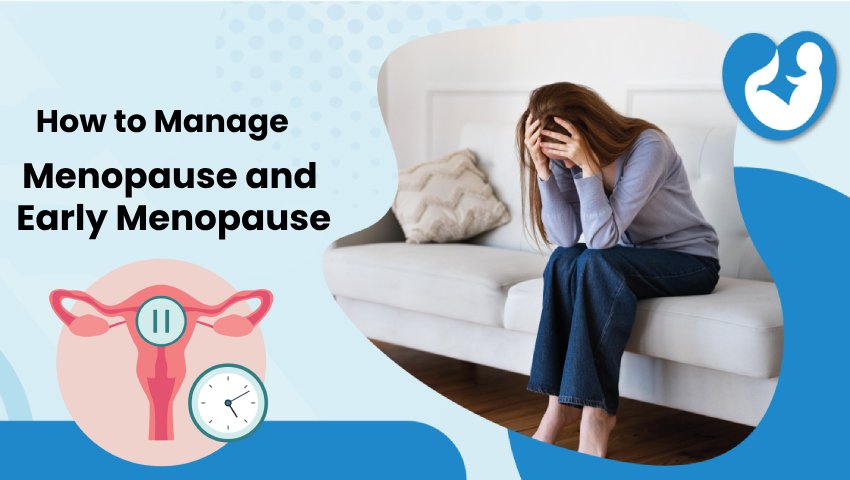
How to Manage Menopause and Early Menopause?

Are you facing irregular periods, mood swings, or sudden hot flushes? These could be signs of menopause or early menopause. Many women in India struggle during this phase, especially when it starts before 40. The good news is—help is available. Knowing how to manage menopause and early menopause the right way can protect your health and improve your daily life. With proper guidance, medical care, and lifestyle support, this stage can be smooth and manageable. For expert advice, consult a female gynecologist in Punawale who understands your concerns.

If you’re in PCMC, Pune, trusted care is close by. Dr. Shradhha Galgali, a top gynecologist for menopause in Pune, offers personalised and affordable menopause care at Excella Women’s Wellness Clinic. Whether it’s early symptoms or long-term effects, get support from the best menopause doctor in Punawale and take control of your health. This blog will help you understand how to manage menopause with the backing of the top gynecologist for menopause in Pune.

What Is Menopause?

Menopause is when a woman’s periods have stopped for a full 12 months. This usually happens between 45 and 55, marking the end of the reproductive years. It’s a natural hormonal shift—oestrogen and progesterone levels fall, and many changes follow.

What Is Early Menopause?

Early menopause (or premature ovarian insufficiency) occurs before age 40. Around 2% of women in India reach this phase before 40, and 16% before 45. Unlike natural menopause, early menopause hits suddenly, causing reproductive and health concerns earlier than expected.

What Are the Symptoms of Menopause and Early Menopause?

Recognising the signs early can make treatment easier and improve your daily life.

Symptoms of Menopause:

Menopause brings many changes—some mild, some more challenging. The most common signs include:

  • Hot flashes & night sweats: Sudden heat, sweating, mostly at night; affects nearly 75% of women.
  • Irregular periods: Your periods may become heavy, light, or skip months before stopping fully.
  • Vaginal dryness: Less lubrication causes discomfort or pain during intimacy.
  • Sleep problems: Trouble falling asleep, waking up often, or insomnia.
  • Mood swings & anxiety: Feeling low, irritable, or mentally foggy—commonly called “brain fog”.
  • Weight gain: Especially around the stomach or waist due to hormone changes.
  • Joint aches, dry skin & hair: You may notice joint pain, brittle nails, and dry hair or skin.

These symptoms vary from woman to woman. Some may have just a few, while others face many at once.

Symptoms of Early Menopause:

Early menopause shows the same symptoms as regular menopause, but they tend to start suddenly and feel stronger. Key issues include:

  • Loss of fertility: Ovaries stop working too early, affecting chances of pregnancy.
  • Higher health risks: You may face early bone thinning (osteoporosis) or heart problems due to long-term low oestrogen.
  • Emotional stress: Premature menopause can cause shock, sadness, or feelings of being “too young” for these changes.

What Are the Causes of Menopause and Early Menopause?

Understanding the reasons behind menopause—whether natural or early—can help women plan better and take timely action. Let’s look at the key causes below:

Causes of Menopause:

Menopause usually happens between the ages of 45 and 55 due to a natural decline in reproductive hormones. Over time, the ovaries produce less estrogen and progesterone, leading to the end of menstrual cycles. Some women may also enter menopause earlier due to:

  • Surgery (removal of ovaries or uterus)
  • Chemotherapy or radiation
  • Certain health conditions affecting hormones
Causes of Early Menopause:

Early menopause (before 40) or premature ovarian failure can be triggered by:

  • Family history
  • Autoimmune diseases (like thyroid or lupus)
  • Chromosomal disorders
  • Lifestyle factors like smoking or poor nutrition

If you’re facing irregular periods or sudden menopausal symptoms at a younger age, it’s best to consult the best menopause doctor in Punawale for a proper diagnosis. You can also visit a menopause specialist near Punawale, like Dr. Shraddha Galgali at Excella Women’s Wellness Clinic, for expert guidance and early treatment.

Diagnosis for Menopause and Early Menopause:

Diagnosing menopause usually depends on your age and symptoms. For most women over 45, doctors can confirm menopause based on signs like missed periods, hot flashes, and mood changes. No special tests are needed in most cases. But for women under 45—especially those who might be going through early menopause—blood tests are often done to check hormone levels:

  • FSH (Follicle Stimulating Hormone): High levels (above 30 mIU/mL) can mean menopause.
  • Estrogen (Estradiol): Low levels suggest the ovaries are slowing down.
  • AMH (Anti-Müllerian Hormone): Shows how many eggs are left (used in early menopause or fertility cases).
  • Thyroid and prolactin tests: may also be done to rule out other problems.

Doctors may also check bone health using a DEXA scan and sometimes do a pelvic ultrasound. If you live in Punawale, Pune, or nearby areas, visiting a Menopause Specialist like Dr. Shraddha Galgali at Excella Women’s Wellness Clinic is a good choice. She offers complete menopause evaluations tailored to your age, health, and symptoms, especially for those facing menopause.

Menopause Treatment Option in Pune:

Hormone Replacement Therapy (HRT)/Menopausal Hormone Therapy (MHT):
  • This is a key treatment—low-dose oestrogen with or without progesterone. It eases hot flushes, vaginal dryness, and mood swings, and helps protect bones. Short-term use (2–5 years) is safe for most women under 60. Local-based oestrogen therapies (creams, gels, pessaries) are popular in India for vaginal dryness.
Non-hormonal medicines:
  • Low-dose antidepressants or seizure medicines help manage hot flushes
  • Lubricants or moisturisers ease vaginal discomfort
Lifestyle & Home Remedies:
  • Diet: Eat calcium-rich foods (milk, yoghurt, paneer), leafy greens, phytoestrogens (soya, chickpeas)
  • Exercise: Daily walking, yoga, breathing exercises—support bones and mood
  • Avoid triggers: Reduce caffeine, spicy food, alcohol, and smoking
  • Sleep hygiene: Keep bedroom cool, relax before bed, follow a routine
  • Relaxation tools: Try yoga, meditation, or breathing exercises
Alternative & Supportive Therapies:
  • Some women benefit from herbal supplements, acupuncture, or yoga sessions. Talk to your specialist before trying any.

Treatment Offered by Dr Shraddha Galgali at Excella Women's Wellness Clinic:

Dr. Shraddha’s Excella Women’s Wellness Clinic in Punawale, PCMC, Pune, offers comprehensive menopause care under the expert guidance of Dr. Shraddha Galgali. With over 8 years of experience in women’s health, Dr. Galgali specializes in managing all aspects of menopause and early menopause. Treatment options include:

  • Hormone Therapy (HRT/MHT): restores hormonal balance to reduce hot flashes, mood shifts, and bone loss
  • Non-hormonal medicines: SSRIs for hot flushes, vaginal moisturisers, bone support
  • Bone care: DEXA scans, calcium, vitamin D, and exercise
  • Counselling: fertility, emotional, and life-stage support
  • Lifestyle advice: diet, stress control, yoga
  • Follow-ups: regular check-ups to adjust treatment

When to See a Doctor for Menopause Issues:

Knowing when to visit a doctor is important. If you notice any of these signs, consult a gynaecologist:

  • Irregular periods before 45 – Could be early menopause.
  • Severe symptoms – Hot flushes, mood swings, or poor sleep affecting daily life.
  • Worried about early menopause, especially if under 40.
  • Family history – If your mother or sister had early menopause.

For expert care, visit the best menopause doctor in Punawale, Pune, Dr. Shradhha Galgali at Excella Women’s Wellness Clinic. Early treatment can help you feel better and stay healthy.

What Are the Complications of Menopause and Early Menopause?

Menopause and early menopause are natural, but they can bring health risks if not managed properly. Common complications include:

  • Osteoporosis: Bones become weak and can break easily.
  • Heart disease: Lower estrogen levels may increase heart risk.
  • Mood swings and depression: Hormonal changes can affect mental health.
  • Vaginal dryness and discomfort: Affects intimacy and quality of life.
  • Memory problems and poor sleep: Brain fog and insomnia are also common.

These issues may worsen if early menopause starts before 40. That’s why it’s important to get timely help from the best menopause specialist in Pune, like Dr. Shradhha Galgali. At Excella Women’s Wellness Clinic, she offers expert care, helping women manage symptoms and prevent long-term complications with confidence.

Conclusion:

Managing menopause, especially early menopause, needs the right mix of expert medical care, lifestyle changes, and emotional support. If you’re facing symptoms that affect your health or peace of mind, don’t delay. In Punawale, you can trust Dr. Shraddha Galgali, a highly experienced female gynecologist in Pune, at Excella Women’s Wellness Clinic. She offers personalised care and guidance for every stage of menopause. For the right treatment from the best gynecologist in Punawale, call us today at 992 395 6515 and take the first step toward a healthier, more confident you.

9 Essential First Trimester Care: Your Complete Guide to a Healthy Pregnancy

The first trimester of pregnancy marks the beginning of an incredible journey that brings both joy and challenges. These initial three months are crucial as they lay the foundation for your baby’s development. At Dr. Shraddha’s Excella Women’s Wellness Clinic in Punawale, Pune, we offer compassionate, personalized care during this time, led by Dr. Shraddha Galgali, the Best Gynecologist for the First Trimester in Punawale, Pune. We guide you through every step—from your first-trimester checkup, diet plans, safe medications, and prenatal scans to managing symptoms like morning sickness and fatigue. If you’re searching for trusted early pregnancy care in Pune, including affordable prenatal care, expert advice, and nearby services like pregnancy ultrasound scans in Punawale, this guide covers the 9 essential first-trimester care tips tailored for you.

Schedule Your First Prenatal Appointment:

Once you confirm your pregnancy, booking your first prenatal appointment should be your top priority. This initial visit, typically scheduled between weeks 6-8, is crucial for establishing a relationship with your healthcare provider and creating a foundation for your pregnancy journey. During this first checkup at our Punawale clinic, Dr. Shraddha Galgali will:

  • Take a detailed medical history
  • Perform a complete physical examination
  • Conduct blood tests to check for various conditions
  • Possibly perform an ultrasound to confirm the heartbeat
  • Discuss your pregnancy concerns and answer questions

Early prenatal care is the single most important step you can take for your baby’s health. It allows for timely screenings and helps you find the right caregiver to share your journey from the first trimester through delivery.

Take Essential Prenatal Vitamins and Supplements:

Starting prenatal vitamins is crucial even before conception, but if you haven’t begun yet, start immediately upon learning about your pregnancy. These specially formulated supplements provide vital nutrients needed during pregnancy.

Folic Acid: The Brain-Building Nutrient

Folic acid deserves special attention as it plays a critical role in preventing neural tube defects like spina bifida. You should take 400 micrograms of folic acid daily before and during the first 12 weeks of pregnancy. The neural tube, which becomes your baby’s brain and spinal cord, develops during the first 28 days after conception—often before you even know you’re pregnant. This makes early supplementation essential.
Other important nutrients in a good prenatal vitamin include:

  • Iron (27 mg daily) to prevent anemia
  • Calcium (1,000 mg) for bone development
  • Vitamin D (600 IU) to aid calcium absorption
  • Vitamin B12 (2.6 mcg) for nerve development

At Dr. Shraddha’s Excella Women’s Wellness Clinic in Punawale, we provide personalized guidance on the right prenatal supplements for your specific needs.

Maintain a Nutrient-Rich First Trimester Diet:

Your nutritional needs change during pregnancy, and eating well is essential for your baby’s development. Focus on quality rather than quantity, as you don’t need many extra calories during the first trimester.

First Trimester Diet Essentials:
  • Eat frequent, small meals to manage nausea and maintain energy levels
  • Choose foods rich in folate like dark green leafy vegetables, beans, and fortified cereals
  • Include protein sources such as eggs, lean meats, and legumes for tissue development
  • Consume iron-rich foods like spinach and lean red meat to support increased blood production
  • Stay hydrated with at least 12 cups (96 ounces) of water daily
  • Avoid raw or undercooked meats, unpasteurized dairy, and high-mercury fish

Remember that your diet during this period significantly influences your baby’s development and birth weight. At our Punawale clinic, Dr. Shraddha provides customized nutritional guidance for pregnant women based on their individual health profiles.

Manage Morning Sickness Effectively:

Despite its name, morning sickness can occur at any time of day and affects about 70% of women during the first trimester. While typically improving by the 14th week, there are several strategies to manage this common symptom.

Practical Morning Sickness Remedies:
  • Eat small, frequent meals and avoid having an empty stomach
  • Choose bland, easy-to-digest foods like crackers, toast, and rice
  • Try ginger in various forms (tea, candies, or ginger ale) to settle your stomach
  • Stay hydrated by sipping water throughout the day
  • Avoid strong smells and foods that trigger nausea
  • Consider vitamin B6 supplements after consulting with Dr. Shraddha

For severe morning sickness that prevents adequate nutrition or hydration, don’t hesitate to contact our Maternity clinic in Punawale for medical intervention. Dr. Shraddha Galgali specializes in managing pregnancy complications, including severe morning sickness.

Prioritize Rest and Proper Sleep:

Fatigue is extremely common during the first trimester due to hormonal changes, particularly rising progesterone levels. Your body is working hard to create a nurturing environment for your growing baby, so listening to its signals is important.

Sleep Tips for the First Trimester:
  • Aim for 8-9 hours of sleep each night
  • Take short naps during the day when possible
  • Begin practicing side sleeping, particularly on your left side
  • Create a comfortable sleep environment with proper pillows and temperature control
  • Establish a relaxing bedtime routine to improve sleep quality

At Dr. Shraddha’s Excella Women’s Wellness Clinic, we understand the importance of rest during pregnancy and guide managing sleep disturbances that may arise.

Engage in Safe Physical Activity:

Regular exercise during the first trimester helps combat fatigue, manage mood changes, prevent excessive weight gain, and prepare your body for the months ahead. However, it’s important to choose appropriate activities and intensity levels.

Recommended First Trimester Exercises:
  • Walking is an excellent low-impact option for all fitness levels
  • Swimming and water aerobics reduce joint stress while providing good cardiovascular benefits
  • Prenatal yoga improves flexibility and teaches breathing techniques helpful for labor
  • Stationary cycling provides cardiovascular benefits without the risk of falling

Always consult with Dr. Shraddha before starting any exercise program during pregnancy. At our Punawale clinic, we provide personalized exercise recommendations based on your health status and pregnancy progression.

Monitor Warning Signs and Know When to Seek Help:

While many changes during the first trimester are normal, certain symptoms may indicate potential problems requiring immediate medical attention. Being aware of these warning signs can help ensure timely intervention if needed.

First Trimester Warning Signs:
  • Heavy bleeding (soaking through a pad in an hour or less)
  • Severe abdominal pain, especially if one-sided
  • Dizziness or fainting
  • Persistent vomiting with inability to keep fluids down
  • Fever or extreme weakness

Dr. Shraddha Galgali at Excella Women’s Wellness Clinic specializes in high-risk pregnancies and provides comprehensive care for women experiencing pregnancy complications. Our clinic offers round-the-clock emergency services for urgent pregnancy concerns.

Manage Emotional Health and Stress:

Pregnancy brings significant hormonal changes that can affect your emotional well-being. Mood swings, anxiety, and stress are common during the first trimester and should be addressed proactively.

Stress Management Strategies:
  • Practice relaxation techniques like deep breathing and meditation
  • Maintain open communication with your partner about your feelings
  • Join prenatal support groups to connect with other expectant mothers
  • Schedule time for activities you enjoy
  • Get adequate rest and physical activity

If you experience persistent feelings of sadness or anxiety, speak with Dr. Shraddha at our Punawale clinic. We provide comprehensive emotional support and can refer you to specialized mental health services if needed.

Involve Your Partner in the Pregnancy Journey:

Partner support during pregnancy contributes significantly to maternal well-being and can reduce stress levels. Including your partner in various aspects of your pregnancy journey creates a stronger bond and sense of teamwork.

Ways Partners Can Provide Support:
  • Attend prenatal appointments together
  • Help with household responsibilities to reduce your workload
  • Learn about pregnancy and childbirth through books or classes
  • Show affection and emotional support
  • Make healthy lifestyle changes together, such as improving diet or reducing caffeine

At Dr. Shraddha’s Excella Women’s Wellness Clinic in Punawale, we encourage partner involvement in the pregnancy journey and provide resources to help partners understand their important role.

First Trimester Dos and Don'ts: Pune Gynecologist Advice:

  • Do: Attend regular checkups, eat nutritious meals, and rest adequately.
  • Don’t: Smoke, drink alcohol, or consume raw foods like sushi. Avoid stress and overexertion.

For personalized first trimester dos and don’ts, Pune gynecologist advice, consult Dr. Shradhha Galgali. If you’re seeking the best hospital for early pregnancy care near Punawale, EXCELLA is equipped to handle both routine and high-risk pregnancies.

Comprehensive Early Pregnancy Care EXCELLA Women's Wellness Clinic:

Located near Punawale, EXCELLA Women’s Wellness Clinic is a trusted maternity hospital in Punawale for first-trimester care. Dr. Shraddha Galgali, a renowned gynecologist in wakad, Pune, specializes in high-risk pregnancies and IVF, making her a go-to expert for expecting mothers. The clinic offers:

  • Affordable prenatal care in Punawale
  • Advanced pregnancy ultrasound scans in Punawale
  • Compassionate care for emotional and physical well-being

Whether you’re dealing with first-trimester fatigue in Punawale or need a safe medications pregnancy first-trimester Pune plan, EXCELLA ensures you’re in safe hands.

Your First Step Towards Motherhood Starts Here:

The first trimester is a time of rapid changes and important milestones. With the right support, you can manage every step with ease. At Excella Women’s Wellness Clinic, led by Dr. Shraddha Galgali, the Best Gynecologist for the First Trimester in Punawale, Pune, we offer complete care—right from your first-trimester checkup, prenatal scans, and diet plans, to managing concerns like morning sickness, fatigue, or early pregnancy bleeding. If you’re looking for expert, affordable, and caring early pregnancy care in Punawale, contact us at 9923956515 or visit our website to book your appointment. Your journey to motherhood starts here—with confidence, care, and compassion.

What Is Premenstrual Syndrome (PMS), and How to Manage It?

Premenstrual Syndrome (PMS) is a health problem that many women experience before their monthly periods. It can cause physical and emotional symptoms like mood swings, bloating, cramps, tiredness, and breast tenderness. If you are searching for information on What Is Premenstrual Syndrome (PMS) and How to Manage It? this page will give you all the answers. We’ll explain the symptoms, causes, and simple yet effective ways to manage PMS naturally or with medical help. For personalised treatment, visit Dr. Shraddha Galgali, the Best Gynecologist in Punawale, Pune, at EXCELLA Women’s Wellness Clinic for expert care.

What is Premenstrual Syndrome (PMS)?

Premenstrual Syndrome (PMS) is a group of symptoms that many women face after ovulation and before their period starts. These symptoms typically subside when the period begins. Most women (over 90%) have some PMS symptoms, but only a few have severe problems. PMS is most common in women in their 30s.

Why Does PMS Happen?

After ovulation, if pregnancy does not happen, the levels of hormones like estrogen and progesterone drop. This change can cause PMS symptoms. The symptoms usually stop a few days after the period starts, when hormone levels rise again.

Types of Premenstrual Syndrome:

There are mainly two types of PMS:

  • Mild PMS: Most women have mild symptoms like bloating, cramps, or mood swings. These symptoms do not affect daily life much.
  • Severe PMS (PMDD): Some women have very bad symptoms called Premenstrual Dysphoric Disorder (PMDD). PMDD can make it hard to work, study, or enjoy life

Common PMS Symptoms:

Most women get a mix of physical and emotional symptoms. Some common symptoms are:

  • Bloating before period: Feeling swollen or heavy in the stomach.
  • PMS cramps: Pain in the lower abdomen or back.
  • Fatigue: Feeling very tired before the period.
  • Breast tenderness: Pain or swelling in the breasts.
  • Mood swings: Feeling sad, angry, or anxious.
  • Headaches: Pain in the head.
  • Food cravings: Wanting to eat certain foods more than usual.

Some women also have trouble sleeping, anxiety, or depression before their period.

What causes Premenstrual Syndrome?

The exact cause of PMS is not known, but several factors can lead to it:

  • Hormone changes: Levels of estrogen and progesterone change during the menstrual cycle. This can cause PMS symptoms.
  • Chemical changes in the brain: Hormone changes can affect serotonin, a brain chemical that helps control mood. Low serotonin can cause mood swings, anxiety, and depression.
  • Lifestyle factors: Poor diet, lack of exercise, stress, and lack of sleep can make PMS worse.

How do I know I have PMS?

There is no special test for PMS. Your doctor will ask you to keep a diary of your symptoms for 2-3 months. If your symptoms happen before your period and go away after your period starts, it is likely PMS. Sometimes, other health problems can look like PMS. Our doctor may do some tests to rule out thyroid problems, depression, or other conditions.

How to Manage PMS Symptoms?

Managing PMS is possible with simple changes in lifestyle, diet, and sometimes with medicines. If your symptoms are severe, you should visit a PMS specialist near me or a Women’s Clinic for PMS Pune Dr. Shradhha Galgali for expert advice.

  • Bloating Before Period: How to Reduce: Bloating is a common PMS symptom. Here are some easy ways to reduce bloating:
    • Avoid salty foods and processed items
    • Drink more water to flush out extra fluids
    • Exercise daily—even a 30-minute walk helps
    • Eat potassium-rich foods like bananas and spinach
    • Limit caffeine and alcohol
  • PMS Cramps Relief Medicine: Cramps can be very painful for some women. Here are some common medicines and remedies:
    • NSAIDs like Ibuprofen, and Mefenamic Acid ease pain
    • Antispasmodics (Drotaverine, Hyoscine) reduce muscle cramps
    • Paracetamol works for mild discomfort
    • Hormonal pills help regulate periods and pain (doctor-prescribed)
  • PMS Fatigue Remedies: Feeling tired before your period is common. Here are some ways to fight PMS fatigue:
    • Sleep well: follow a fixed bedtime
    • Eat balanced meals: cut sugar, add more grains and fruits
    • Exercise lightly: boosts energy and mood
    • Drink plenty of water
    • Try relaxation: like yoga or meditation
  • How to Reduce PMS Breast Tenderness? Breast pain and swelling before the period can be uncomfortable. Here are some tips:
    • Wear a sports bra for extra support
    • Cut down on salt & caffeine
    • Eat magnesium-rich foods—nuts, greens, brown rice
    • Apply a warm compress for pain relief
  • PMS Anxiety Management: Anxiety before the period is common. Here are some ways to manage it:
    • Exercise daily—improves mood naturally
    • Eat complex carbs—oats, and whole grains help stabilize mood
    • Practice deep breathing or meditation
    • Limit caffeine, alcohol & screen time

When should you consider seeing our experts?

You should visit a Best Doctors For Pre Menstrual Problems Treatment In Pune or a PMS Treatment Center Pune if:

  • Your symptoms are so bad that you cannot do your daily work or go to school.
  • You have tried home remedies and lifestyle changes, but nothing helps.
  • You have severe mood swings, depression, or anxiety.
  • Your symptoms last for more than three months and follow a regular pattern.
  • You have heavy bleeding or very painful cramps.

If you are in Punawale, Pune, you can visit Dr. Shraddha Galgali at EXCELLA Women’s Wellness Clinic for expert care.

PMS Diagnosis at Excella Women's Wellness Clinic:

At Excella Women’s Wellness Clinic, Punawale, diagnosis starts with a simple, friendly talk. Dr. Shraddha Galgali, one of the best PMS doctors near Punawale, will ask you about your symptoms, mood changes, and menstrual cycle. You might be asked to track your symptoms in a diary for 2–3 months. This helps the doctor understand when and how the symptoms occur—before, during, or after your period. To rule out other health issues like thyroid problems or anemia, basic blood tests may be advised. These are quick and help confirm the right diagnosis.

PMS Treatment Options at Excella Women's Wellness Clinic:

Once PMS is confirmed, Dr. Shraddha Galgali at EXCELLA Women’s Wellness Clinic will offer a customized treatment plan to suit your needs. You’ll receive personalized care with options such as:

  • Medicines: Antidepressants, NSAIDs, diuretics, and hormonal birth control can be prescribed based on your symptoms.
  • Lifestyle changes: Diet, exercise, and stress management are important parts of treatment.
  • Counseling: If you have severe mood swings or anxiety, counseling can help.
  • Regular follow-up: Your doctor will check your progress and adjust the treatment as needed.

PMS vs. PMDD:

PMS and PMDD are similar, but PMDD is much more severe:

  • PMS: Mild to moderate symptoms that do not affect daily life much.
  • PMDD: Severe symptoms that make it hard to work, study, or enjoy life. You may feel very sad, anxious, or hopeless. You may even have thoughts of harming yourself. If you have these symptoms, you must see a doctor immediately.

What are the Complications Of Premenstrual Syndrome?

Most women do not have serious complications from PMS. But if PMS is severe and not treated, it can lead to:

  • Depression or anxiety: Severe mood swings can affect your mental health.
  • Problems at work or school: Severe symptoms can make it hard to concentrate or perform well.
  • Relationship problems: Mood swings and irritability can affect your relationships with family and friends.

Home Remedies for PMS?

In addition to medical treatment, you can try some home remedies:

  • Warm compress: Apply a hot water bag on your lower abdomen for cramps.
  • Herbal teas: Ginger tea and chamomile tea can help with pain and stress.
  • Yoga and light exercise: These can reduce pain and improve mood.
  • Healthy diet: Eat iron-rich foods like spinach and nuts, and avoid too much salt and caffeine.

Conclusion:

Premenstrual Syndrome (PMS) is a common problem for many women. With the right lifestyle changes, diet, and sometimes medicines, you can manage your symptoms. If your PMS is severe or affecting your daily life, do not hesitate to visit a doctor. For women in Punawale and Pune, Dr. Shraddha Galgali at EXCELLA Women’s Wellness Clinic is one of the best gynecologists for PMS and women’s health issues. Book an appointment today call now for expert care and support.

Endometriosis Awareness: Early Signs, Diagnosis, and Treatment Options

Endometriosis is a painful condition that affects nearly 1 in 10 women during their reproductive years. Despite its high rate, many women remain undiagnosed due to a lack of awareness and symptoms that often overlap with other health issues. This blog offers an updated and easy-to-understand guide to help women identify early signs, understand diagnosis methods, and explore the best treatment options. At EXCELLA Women’s Wellness Clinic in Punawale, Pune, Dr. Shraddha Galgali, one of the best gynecologists in Punawale, is known for her expertise in diagnosing and treating endometriosis. With personalized care and modern diagnostic tools, women can now access effective endometriosis treatment in Punawale and nearby areas like Baner and Aundh, making a real difference in their lives.

Introduction to Endometriosis:

What is Endometriosis?

Endometriosis is a chronic medical condition where tissue similar to the lining inside the uterus, known as the endometrium, starts to grow outside the uterus. This abnormal growth can lead to inflammation, pain, and the formation of scar tissue. Common areas affected include the ovaries, fallopian tubes, and the tissue lining the pelvis. In rare cases, endometrial-like tissue may spread beyond the pelvic organs.

Prevalence and Impact:

Globally, endometriosis involves approximately 10% of females of reproductive age. Despite its prevalence, it often goes undiagnosed for years due to the normalization of menstrual pain and a lack of awareness. The condition can significantly impact a woman’s quality of life, leading to chronic pain, infertility, and emotional distress. Early diagnosis and appropriate management are crucial in mitigating these effects and improving overall well-being.

Early Signs and Symptoms:

Common Symptoms:

Endometriosis manifests through a variety of symptoms, which can vary in intensity. Common signs include:

  • Pelvic Pain: Often associated with menstrual periods but can occur at other times.
  • Menstrual Irregularities: Heavy periods (menorrhagia) or bleeding between years.
  • Pain During Sex: Discomfort During or After Sex
  • Pain with Bowel Movements or Urination: Especially during menstruation.
  • Infertility: Difficulty in conceiving.
  • Fatigue: Persistent tiredness and low energy levels.
When to Seek Medical Attention:

If you experience severe menstrual cramps, chronic pelvic pain, or any of the symptoms mentioned above, it’s essential to consult a healthcare provider. Early intervention can prevent the progression of the disease and alleviate symptoms. In Punawale, Pune, residents can seek expert care from specialists like Dr. Shraddha Galgali at EXCELLA Women’s Wellness Clinic, known for providing effective endometriosis treatment.

Causes and Risk Factors:

Understanding the Causes:

The exact reason behind endometriosis is still not fully understood, but there are a few possible explanations:

  • Reverse Menstrual Flow: Instead of exiting the body, menstrual blood travels in the opposite direction through the fallopian tubes and enters the pelvic area.
  • Embryonic Cell Transformation: Hormones transform embryonic cells into endometrial-like cell implants.
  • Surgical Scars: After surgeries like hysterectomy or C-section, endometrial cells may attach to the surgical incision.
Identifying Risk Factors:

Certain characteristics may raise the chance of developing endometriosis:

  • Family History: Having a close relative with endometriosis.
  • Menstrual History: Early onset of menstruation, short menstrual cycles, or heavy periods.
  • Reproductive History: Never giving birth.
  • Medical Conditions: Disorders that prevent the normal passage of menstrual flow.

Understanding these risk factors can help in early detection and management.

Diagnosis Procedure at EXCELLA Women's Wellness Clinic for Endometriosis:

Diagnosing endometriosis is not always straightforward, as its symptoms often mimic other common conditions like PCOS, IBS, or pelvic infections. At EXCELLA Women’s Wellness Clinic, led by Dr. Shradhha Galgali, the focus is on careful evaluation and advanced technology to ensure accurate and early diagnosis of endometriosis.

  • Pelvic Examination: Checking for abnormalities.
  • Imaging Tests: Ultrasound or MRI to identify cysts associated with endometriosis.
  • Laparoscopy: A surgical procedure where a camera is inserted into the pelvic cavity to identify endometrial tissue.

Many women wait years for a diagnosis due to ignored symptoms. Dr. Shradhha Galgali and her team provide early, accurate detection using advanced tools and personalized care. For women in Punawale, Baner, and Aundh, Pune, this clinic offers expert diagnosis and support.

Treatment Options for Endometriosis:

At EXCELLA Women’s Wellness Clinic, the treatment of endometriosis is designed to manage symptoms, reduce pain, and improve fertility based on each woman’s unique needs.

Medical Treatments:

Treatment aims to relieve symptoms and improve fertility. Options include:

  • Pain Relievers: NSAIDs like ibuprofen to reduce pain and inflammation.
  • Hormonal Therapies: Birth control pills, GnRH agonists, and progestin therapy to reduce or eliminate menstruation, slowing endometrial growth.
Surgical Interventions:

For severe cases or when medical treatment is ineffective:

  • Laparoscopic Surgery: Removal of endometrial tissue while preserving reproductive organs.
  • Hysterectomy: Removal of the uterus, considered in extreme cases when other treatments fail.

Consulting with experienced gynecologists, such as Dr. Shraddha Galgali in Punawale, ensures personalized treatment plans tailored to individual needs.

Choosing the Right Healthcare Partner:

For women seeking the best gynecologist in Pune for endometriosis, factors to consider include specialized training, experience with complex cases, and access to modern diagnostic and treatment facilities. A female gynecologist in Punawale may offer additional comfort for some patients during examinations and discussions about intimate symptoms.

Dr. Shraddha Galgali is widely respected as one of the leading pregnancy doctors and endometriosis specialists in Pune. She brings a unique blend of deep clinical knowledge and a caring approach. Her clinic, Excella Women’s Wellness Clinic, is known for using the latest medical technology while making patients feel supported and understood.

Whether you need help with managing pain, planning a pregnancy, or exploring treatment options, Dr. Galgali and her team offer complete care for women with endometriosis.

Choosing the right healthcare partner can make a big difference. With expert guidance, modern facilities, and emotional support, women in Punawale and nearby areas can take confident steps toward better health and healing.

Conclusion:

Endometriosis can seriously affect a woman’s daily life, from painful periods to trouble getting pregnant. But the good news is – early diagnosis and the right treatment can make a big difference. If you’re searching for the best doctor for endometriosis near me, it’s important to choose someone experienced and caring. Women living in areas like Baner and Punawale can find trusted support from Dr. Shradhha Galgali at EXCELLA Women’s Wellness Clinic. Known as the best gynecologist in Baner, Pune, she offers advanced and effective endometriosis treatment in Punawale, Pune tailored to your needs. Don’t ignore ongoing pain or unusual symptoms – take the first step towards relief and better health. Book a consultation today and get the expert care you deserve. Your comfort, fertility, and overall well-being matter. The right care is just a call away: 9923956515.

STI Testing: How Often Should You Get Checked?

Sexually Transmitted Infections (STIs) are becoming more common today, and regular testing is very important for protecting both your health and the health of your partner. Many STIs do not show any early symptoms, so you may not even realize you are infected. If left untreated, they can lead to serious problems such as infertility, pregnancy issues, and even long-term organ damage. That’s why experts recommend regular STI check-ups, especially if you are sexually active. At EXCELLA Women’s Wellness Clinic, Dr. Shradhha Galgali, the best gynecologist for STI testing in Punawale, Pune, offers safe, private, and affordable STI testing to help you take control of your health.

How often should you get tested? It depends on your lifestyle and risk. People with multiple partners or those who do not use protection should get tested every 3 to 6 months. If you are in a long-term monogamous relationship, yearly testing may be enough. Pregnant women, those with new partners, or anyone with symptoms should get tested immediately. The best doctors for sexually transmitted infection treatment in Pune recommend speaking openly with your doctor to create the best testing schedule for you.

Why Regular STI Testing Matters?

STIs often show no symptoms, which means you might not know you have one until you get tested. These silent infections can cause serious health problems if left untreated, including fertility issues, increased risk of certain cancers, and transmission to partners. Regular testing is one of the most effective ways to protect both your health and the health of your sexual partners.

How STIs Impact Your Health?

Untreated STIs can lead to long-term complications including pelvic inflammatory disease, infertility, and increased risk of HIV transmission. Some infections, like syphilis, can even affect other organs if left untreated for extended periods. The good news is that most STIs can be easily treated when caught early through regular screening.

General STI Testing Guidelines:

The recommended frequency for STI testing varies based on your age, sexual activity, and risk factors. Here are the general guidelines:

  • For Sexually Active Adults Under 25: If you are a woman below 25 and sexually active, doctors recommend getting tested for chlamydia and gonorrhea once every year. Young people in the age group of 15–24 have the highest chances of getting STIs, so regular testing is important to catch infections early.
  • For Adults 25 and Older: If you are 25 or older and have a new partner, more than one partner, or a partner who may have an STI, then you should also test for chlamydia and gonorrhea every year. Also, anyone between 13 and 64 years of age should get tested for HIV at least once in their lifetime—even if you think you are not at risk.
  • For Couples in Monogamous Relationships: If you and your partner are in a serious, long-term, and faithful relationship, testing once at the start is usually enough. After both partners are confirmed STI-free, you may not need to test again unless one of you has symptoms or the relationship situation changes.

STI Testing Recommendations for Specific Groups:

  • Testing Guidelines for Pregnant Women: If you’re pregnant, it’s very important to get tested for STIs early. Doctors usually check for syphilis, HIV, hepatitis B, and hepatitis C during the first trimester. If you’re at higher risk, you may also need tests for chlamydia and gonorrhea. These infections can affect your baby’s health, sometimes leading to serious problems like premature birth or stillbirth. Regular testing during pregnancy helps protect both mother and baby.
  • STI Screening for LGBTQ+ Individuals: If you are a gay or bisexual man or a man who has sex with men, you should get tested for syphilis, chlamydia, and gonorrhea at least once a year. If you have multiple partners or engage in unprotected sex, testing every 3 to 6 months is better. HIV testing should also be done at least once a year, or more often if your risk is higher.
  • STI Testing for People Who Share Injection Equipment: If you share injection needles or equipment, you should get tested for HIV, hepatitis B, and hepatitis C at least once a year. These infections can spread easily through shared equipment and may cause long-term health problems if not treated early.

When to Get Tested Immediately?

Some situations warrant immediate STI testing regardless of your regular schedule:

  • After unprotected sex with a new partner
  • If you discover your partner has an STI
  • If you experience symptoms like unusual discharge, genital sores, or pain during urination
  • After sexual assault
  • If you’re planning to start a family

Best STD Testing Centers in Punawale, Pune:

If you are looking for reliable and confidential STD testing in Punawale, Pune, Dr. Shraddha Galgali’s EXCELLA Women’s Wellness Clinic is one of the most trusted centers. Known as one of the best gynecologists in Baner, Pune Dr. Shraddha provides accurate STI testing, detailed consultations, and expert treatment options — all under one roof.

At EXCELLA Clinic, patients receive personalized care with a focus on safety, privacy, and timely diagnosis. Whether you have symptoms or just want to get a routine check-up, this is one of the most preferred STI testing centers near you.

Searching for the Best STD Treatment in Pune? You are in the right place! Dr. Shraddha Galgali is recognized as one of the best STD treatment specialists in Pune, with over 8 years of experience in diagnosing and treating a wide range of sexually transmitted infections. From early screening to advanced treatment plans, she ensures you get the right care at the right time.

Cost of STI Testing in Pune:

The cost of STI testing in Pune varies depending on the type and number of tests performed: At EXCELLA Women’s Wellness Clinic in Punawale, Dr. Shradhha Galgali offers reliable and affordable STI testing services. The cost of testing can vary based on the specific infections being screened and whether multiple tests are needed. On average, comprehensive STI testing may range from ₹2,299 to ₹3,620.

Dr. Shradhha ensures that all tests are conducted with the highest level of accuracy, privacy, and care. The clinic is committed to offering high-quality testing and treatment at reasonable prices, helping patients take charge of their sexual health without stress or hesitation. If you are looking for a trusted and affordable place for STI testing in Pune, Dr. Shradhha Galgali at EXCELLA Women’s Wellness Clinic, Punawale is here to help with compassionate and confidential care.

What to Expect During an STI Test?

STI testing is quick, simple, and confidential. Depending on which infections are being screened for, testing may involve:

  • Blood samples for HIV, syphilis, hepatitis B, and hepatitis C
  • Urine samples for chlamydia and gonorrhea
  • Genital swabs for more targeted testing
  • Oral or rectal swabs for those who engage in oral or anal sex

Most tests provide results within a few days, though some rapid tests can give results within minutes. At EXCELLA Women’s Wellness Clinic, we ensure complete privacy during testing and confidentiality of results.

Benefits of Regular STI Testing:

Getting tested for STIs regularly has many important benefits. It helps you find infections early—sometimes even before symptoms appear—so you can start treatment right away. This reduces the risk of serious health problems in the future. Recent studies show that getting tested every 4 months instead of every 6 months can lower the number of new STI cases by nearly 50%.

Regular testing also protects your partner and helps stop the spread of infections in your community. It builds trust in relationships and gives you peace of mind about your health. When you take care of your sexual health, you are also taking care of your future.

Conclusion:

Getting tested for STIs is an important part of staying healthy and taking care of yourself and your partner. How often you should test depends on your lifestyle, age, and health condition. At EXCELLA Women’s Wellness Clinic in Punawale, Dr. Shraddha Galgali offers safe, private, and affordable STI testing.

Don’t feel shy or scared about getting tested. It is a normal and responsible step in your healthcare journey. If you are looking for a STI testing center near me or STI testing and treatment near me in Pune, choose our clinic that offers complete and accurate testing.

EXCELLA Women’s Wellness Clinic is a trusted place where you can speak freely and get the right guidance. Regular STI testing helps catch infections early, avoid complications, and protect your future health.