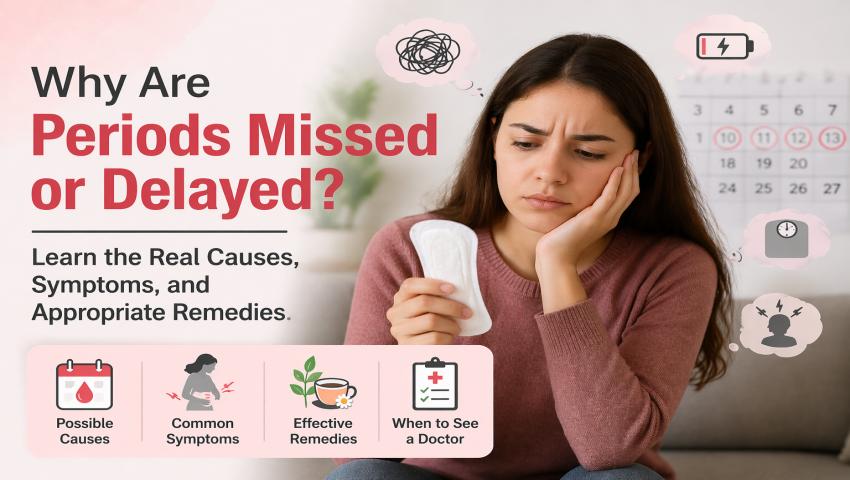
Why Do Periods Become Irregular After 30?

Are your periods suddenly becoming unpredictable after 30? Don’t ignore the signs your body is giving you.

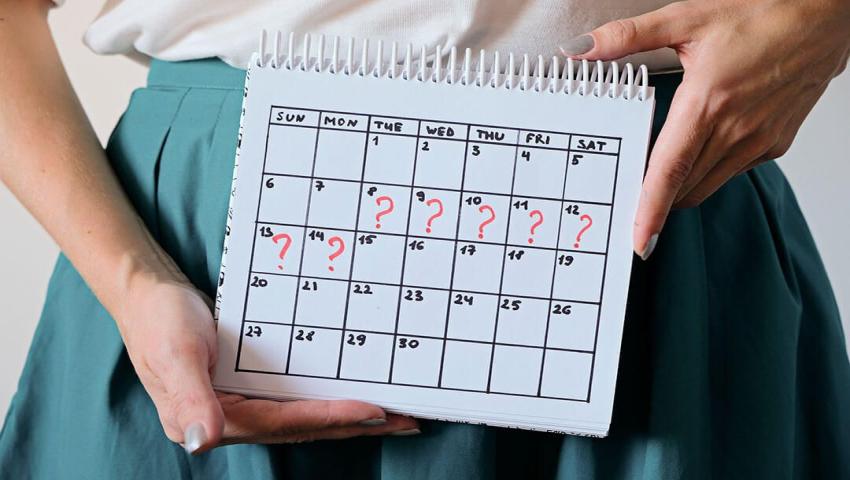
A normal menstrual cycle usually occurs every 21 to 35 days, and bleeding typically lasts 3 to 7 days. In your 20s, periods are often more regular because hormone levels remain stable and ovulation happens consistently. But as women step into their 30s, menstrual cycle changes in their 30s are quite common, and some may begin to notice an irregular menstrual period. The body slowly begins to experience small hormonal shifts. These natural changes can sometimes result in irregular periods after 30, such as delayed cycles, early periods, heavier bleeding, or even skipped months.

While occasional changes are completely normal, frequent delays, very heavy bleeding, or repeated missed periods may be a sign of hormonal imbalance in women or an underlying health issue like PCOS, thyroid disorders, or stress-related disturbances.

If your periods have changed after 30, this blog will help you understand the reasons behind it and guide you on when to seek expert care from Dr. Shraddha Galgali, an experienced specialist at Dr. Shraddha Excella Women’s Clinic, Punawale, known as one of the best gynecologists in Pune.

What Is Considered an Irregular Periods ?

You might be experiencing irregular periods if you notice:

  • Cycles shorter than 21 days
  • Cycles longer than 35 days
  • Missing periods for 2–3 months
  • Very heavy bleeding (menorrhagia)
  • Spotting between periods
  • Severe lower abdominal pain
  • Sudden changes in your usual pattern

If your period pattern changes frequently, it’s best to consult a gynecologist.

causes of irregular periods in 30s

1. Hormonal Imbalance: Hormones like estrogen and progesterone control your menstrual cycle. After 30, their levels may fluctuate.

This can cause:

  • Delayed ovulation
  • Missed periods
  • Heavy or light bleeding

Hormonal imbalance is one of the most common reasons for irregular cycles.

2. Polycystic Ovary Syndrome (PCOS): Polycystic Ovary Syndrome is a common hormonal condition that may be diagnosed in the 30s.

Symptoms include:

  • Irregular or missed periods
  • Weight gain
  • Acne
  • Excess facial hair
  • Difficulty getting pregnant

PCOS affects ovulation and is a major cause of infertility if untreated.

3. Thyroid Disorders: Hypothyroidism and Hyperthyroidism can disturb your menstrual cycle. Thyroid hormones regulate metabolism and reproductive hormones. If the thyroid is underactive or overactive, periods can become irregular, heavy, or very light.

4. Stress & Lifestyle Changes: Career pressure, lack of sleep, emotional stress, or excessive workouts can disturb hormones. High stress increases cortisol levels, which may delay ovulation and cause late periods.

5. Weight Gain or Sudden Weight Loss: Sudden changes in body weight affect estrogen production. Obesity or being underweight can both cause ovulation problems and irregular cycles.

6. Perimenopause: Perimenopause usually starts after 35–40 years.

Early signs include:

  • Irregular cycles
  • Hot flashes
  • Mood changes
  • Shorter or longer cycles

Irregular periods are often the first sign of hormonal transition.

7. Uterine Conditions: Conditions inside the uterus can also cause abnormal bleeding:

  • Uterine fibroids
  • Endometrial polyp
  • Endometriosis

These conditions may cause heavy bleeding, painful periods, or spotting.

8. Birth Control or Medications: Hormonal pills, emergency contraception, or certain antidepressants can temporarily disturb your cycle.

Endometriosis:

Endometriosis is a condition where tissue similar to the inner lining of the uterus grows outside the uterus — such as on the ovaries, fallopian tubes, or pelvic lining.

Common Symptoms:

  • Severe period pain
  • Pain during intercourse
  • Heavy or irregular bleeding
  • Difficulty getting pregnant

This condition can worsen with age if not treated. Many women ignore severe pain, thinking it is “normal,” but intense pain is not normal and needs evaluation.

Pelvic Inflammatory Disease (PID):

Pelvic inflammatory disease is an infection of the female reproductive organs. It usually happens due to untreated bacterial infections.

Symptoms May Include:

  • Lower abdominal pain
  • Fever
  • Foul-smelling vaginal discharge
  • Irregular bleeding
  • Pain during intercourse

If not treated early, PID can cause infertility or long-term pelvic pain. Early antibiotic treatment usually resolves the infection.

Blood Disorders, Pituitary Issues & Cancers (Rare but Serious Causes):

Although rare, some serious medical conditions can cause irregular or heavy periods.

Blood Disorders Conditions that affect blood clotting can cause:

  • Very heavy bleeding
  • Prolonged periods
  • Easy bruising

Women with bleeding disorders may notice heavy periods since their teenage years.

Pituitary Gland Problems: The pituitary gland controls many hormones in the body. If it does not function properly, it can disturb estrogen and progesterone levels.

This may lead to:

  • Missed periods
  • Milk discharge from breasts (without pregnancy)
  • Headaches or vision problems (in rare tumors)

Uterine or Ovarian Cancers: Uterine cancer and Ovarian cancer are uncommon in women under 40, but they can cause:

  • Abnormal or irregular bleeding
  • Bleeding after intercourse
  • Pelvic pain
  • Unexplained weight loss

Any unusual bleeding, especially after 35, should be evaluated to rule out serious conditions.

High Prolactin Levels (Hyperprolactinemia):

Hyperprolactinemia occurs when the body produces too much prolactin hormone.

Prolactin normally increases during pregnancy and breastfeeding. But when elevated in non-pregnant women, it can:

  • Stop ovulation
  • Cause missed periods
  • Lead to infertility
  • Cause breast milk discharge

A simple blood test can diagnose this condition, and medications usually correct it.

Can Irregular Periods After 30 Affect Fertility?

Yes, they can.

If ovulation does not happen regularly, it becomes difficult to predict the fertile window. This may reduce the chances of pregnancy.

If you are trying to conceive and your cycles are irregular for more than 3–6 months, consult a fertility expert. Early treatment improves pregnancy chances.

Warning Signs You Should Not Ignore:

menstrual cycle changes after 30 are common, but some symptoms may indicate a serious underlying problem. Below are important symptoms and why they matter:

  • Bleeding longer than 7 days
  • Soaking a pad every hour
  • Severe pelvic pain
  • Bleeding after intercourse
  • Missing periods for 3 months or more

If you are experiencing frequent changes in your menstrual cycle after 30 , it’s important not to ignore them. Timely diagnosis and proper treatment can help prevent complications such as anemia, hormonal imbalance, or fertility issues. Consult Dr. Shraddha Galgali for expert evaluation and personalized care to understand the exact cause and receive the right treatment at the right time.

Diagnosis: What Tests May Be Required?

If your periods are irregular after 30 age, your doctor may suggest a few simple tests to find the exact cause. These usually include :

  • Hormonal blood tests
  • Thyroid profile
  • Pelvic ultrasound
  • Prolactin levels
  • Pap smear (if needed)

These tests help identify the exact cause of irregular periods.

Treatment Options:

Treatment depends on the cause. Options include:

  • Lifestyle correction (diet, exercise, stress control)
  • Hormonal therapy
  • Thyroid medication
  • PCOS management
  • Minor surgical procedures for fibroids or polyps

Most menstrual problems improve with the right treatment plan.

Natural Ways to Regulate Periods After 30:

While medical treatment is sometimes necessary, lifestyle changes can help:

  • Balanced Diet: Focus on iron-rich foods (spinach, lentils) and Vitamin D.
  • Moderate Exercise: Avoid intense or sudden heavy workouts; regular and steady exercise works better.
  • Stress Management: Yoga, meditation, or even better sleep hygiene can work wonders.

Why Choose Dr. Shraddha Excella Women’s Clinic?

Choosing the right clinic for women’s health makes a big difference in your care and confidence. Here’s why Dr. Shraddha Excella Women’s Clinic stands out:

  • Expert Care by an Experienced Specialist
  • Personalized & Compassionate Approach
  • Comprehensive Evaluation & Modern Diagnostics
  • Focus on Long-Term Health
  • Comfortable & Supportive Environment
  • Trusted Women’s Health Clinic in Pune

Conclusion:

Irregular periods after 30 are common but should not be ignored. They may be caused by hormonal imbalance, PCOS, thyroid issues, stress, or early perimenopause.

The good news is that most causes are treatable with timely medical care. If you are facing menstrual cycle changes in your 30s, early Book your appointment today with Dr. Shraddha Galgali at Dr. Shraddha Excella Women’s Clinic, Punawale, and take the first step toward better menstrual and hormonal health.

Frequently Asked Questions:

Yes, occasional irregular periods at 30 can be normal due to natural hormonal changes, stress, or lifestyle factors. However, if your cycles are frequently delayed, very heavy, or you miss periods for several months, it may indicate a hormonal imbalance or another health issue.

Yes, high levels of stress can disturb your hormones and delay ovulation, which may cause missed or late periods for even a few months. If stress-related irregular periods continue, consult Dr. Shraddha Galgali for proper guidance and treatment.

Irregular periods can sometimes be an early sign of perimenopause, especially after 35. However, they can also be caused by hormonal imbalance, PCOS, or thyroid issues.

Yes, irregular cycles can make it difficult to predict ovulation, which may reduce the chances of pregnancy. If you are planning to conceive and facing irregular periods, consult Dr. Shraddha Galgali for proper evaluation and fertility guidance.

C-Section Recovery Tips: How to Heal Faster and Safely?

Bringing a new life into the world is a momentous occasion, but when that journey involves a Cesarean section, your body requires a specific kind of care after delivery. With C-section rates rising globally and in India, understanding the path to recovery is essential for every new mother.

Proper C-section recovery isn’t just about healing a wound; it’s about regaining your strength so you can enjoy every moment with your baby after delivery. While it may feel overwhelming at first, remember: healing is a gradual process. With the right guidance from the best gynecologist in Punawale, you can navigate this phase safely and confidently.

In this blog, we will share helpful tips for C-section recovery after delivery, including how to manage pain, eat the right foods for healing, and take safe steps while becoming active again. By following these simple habits, you can protect your incision and regain your energy safely.

Understanding C-Section Recovery

A C-section is a major abdominal surgery where a doctor makes an incision through your skin, muscle layers, and the uterus to deliver your baby. Because multiple layers of tissue are affected, “healing” happens on several levels simultaneously.

  • The Timeline: Typically, the initial recovery takes 6–8 weeks, but internal tissues can take several months to fully remodel.
  • The Early Stage: You will likely stay in the hospital for 3–4 days, where the focus is on pain management and early mobility.

Why C-Section Recovery Needs Special Attention?

Here is why this specific recovery needs special attention:

  • Major Surgery Recovery:  These layers need time and specific care to knit back together properly.
  • Abdominal Muscle Weakness: Your core muscles are temporarily weakened or moved during surgery.
  • Risk of Infection: Because there is an external wound, keeping the area clean and dry is vital to prevent infections.
  • Higher Risk of Blood Clots: Major surgery increases the risk of blood clots in the legs, particularly after blood loss during c section.
  • Digestive System Reset: Surgery and pain medications can slow down your digestive tract.

First Days After C-Section: Hospital Recovery Care

After a C-section, the medical team helps the mother stay comfortable, control pain, and start gentle movements safely. Simple breathing exercises and small leg movements improve blood circulation and reduce the risk of complications. In the beginning, holding and feeding the baby may need some support, but these first bonding moments feel special and reassuring. Good maternity hospitals, including trusted centres in Pune like Dr. Shraddha’s Excella Women’s Wellness Clinic, provide caring support and clear guidance so that recovery starts smoothly from the very first day.

Week-by-Week C-Section Recovery Timeline:

Recovery Phase What Your Body is Doing How to Support Your Healing
Week 1: The Healing Foundation You may feel surgical pain, trapped gas, and find it tricky to sit up or walk. Rest & Gentle Steps: Take short, slow walks around the room to boost circulation and prevent clots.
Weeks 2–3: Gaining Momentum Your incision starts to itch (a sign of healing!) and basic movements become much easier. Hydrate & Nourish: Drink plenty of water and eat fiber-rich foods to avoid constipation, which strains your stitches.
Weeks 4–6: Reclaiming Energy Internal tissues are knitting back together. You’ll feel a significant boost in your daily energy levels. Support Your Core: Use a belly binder if it feels comfortable and continue eating balanced, protein-rich meals for tissue repair.
Months 2–3: Building Stability Your "new normal" routine begins to take shape as your abdominal strength slowly returns. Mindful Posture: Focus on standing tall while carrying your baby. You can usually begin doctor-approved light stretches now.
6 Months+: Long-Term Strength Your scar matures, and most mothers feel ready to return to their pre-pregnancy activity levels. Consistent Care: Keep up with healthy habits and scar massage.

Listen to your body—everyone heals at their own pace!

Top C-Section Recovery Tips for Faster Healing:

Here are helpful Tips for Faster Postpartum Healing to speed comfort and recovery:

1. Prioritize Rest but Move Gently:

Rest is your primary medicine. However, don’t stay completely bedridden. Early walking improves circulation, prevents blood clots, and helps clear trapped gas. Start with 5-minute strolls around your home.

2. Support Your Incision:

Your abdominal muscles are weak. When you need to cough, sneeze, or laugh, hold a pillow firmly against your incision (this is called “splinting”). This reduces the strain on your stitches.

3. Manage Pain Safely:

Don’t try to be a “superhero” by skipping meds. If you are in pain, you cannot move or bond with your baby effectively. Follow the prescription provided by your consultant.

4. Eat Healing Foods:

A nutritious diet is the building block of repair. Focus on:

  • Protein: For tissue repair (Dals, paneer, eggs, lean meat).
  • Iron: To replenish blood loss (Spinach, beetroot, figs).
  • Fiber: Crucial to prevent constipation, which can strain your bowel (Oats, daliya, fruits).
  • Hydration: Drink 2–3 liters of water daily to support breastfeeding and digestion.

5. Keep the Wound Clean and Dry:

Wash the area gently with mild soap and water during your shower. Do not scrub. Pat it dry with a clean towel. Wear loose, high-waisted cotton underwear that sits above your incision line.

6. Avoid Heavy Lifting:

The only “heavy” thing you should lift is your baby. Avoid carrying grocery bags, buckets of water, or older siblings for at least 6 weeks.

7. Prevent Constipation:

Straining during bowel movements is painful and risky for your incision. Use stool softeners if recommended by your doctor and stay consistent with fiber-rich foods.

8. Get Emotional Support:

Feeling emotional or low after delivery (baby blues) is common. But if sadness or anxiety continues for many days, talk to your doctor or family. Recovery after childbirth is not only physical — your emotional health also matters.

Common Mistakes to Avoid After C-Section Delivery

Recovery after a cesarean delivery requires proper care and attention. Certain habits can slow down C section recovery and may lead to discomfort or complications. Here are some common mistakes to avoid:

  • Doing heavy or intense exercises that put pressure on the abdomen and incision area

  • Lifting heavy objects too soon after surgery

  • Ignoring signs of incision infection such as redness, swelling, or unusual pain

  • Wearing tight clothes that irritate the incision site

  • Staying completely inactive for long hours, which can slow down recovery

  • Eating very spicy or oily foods that may cause acidity, gas, or indigestion

Avoiding these mistakes can help ensure a smoother and safer C section recovery.

Warning Signs: When to See a Doctor?

Healing normally improves day by day, but any unusual symptoms should not be ignored. If a mother experiences:

  • Fever over 100.4°F (38°C).
  • If the cut area becomes redder, swollen, or starts leaking pus.
  • If vaginal bleeding becomes very heavy, like soaking one pad within an hour.
  • Severe leg swelling or pain in the calf.
  • Persistent feelings of hopelessness or depression.

Why Consult Dr. Shraddha Galgali for Recovery After C Section?

Recovery is easier when you have an expert by your side. At Shraddha’s Excella Women’s Wellness Clinic, we offer complete care and support for new mothers during recovery. Dr. Shraddha Galgali, an experienced consultant obstetrician and gynecologist in Punawale with over 8+ years of experience, is dedicated to helping you heal safely and comfortably after childbirth. Whether you need help with high-risk pregnancy cases, infertility counseling, or postpartum PCOD management, our clinic is your one-stop destination.

Beyond pregnancy care, Dr. Shraddha is an expert in laparoscopic surgery, IVF treatment, fibroids surgery, and total laparoscopic hysterectomy (TLH).

Conclusion:

Healing after a C-section takes time — it’s not a race. Be gentle and patient with your body, because it has done something truly amazing by bringing new life into the world. There will be slow days and better days, and both are part of recovery. With proper care, rest, and the right medical guidance, strength returns gradually. If you ever feel unsure or need reassurance during recovery, don’t hesitate to consult with Dr. Shraddha Galagli. We are here to support you at every step, so you can heal safely and feel like yourself again.

Understanding Period Cramps: Why They Happen and How to Manage Them Naturally?

Menstrual pain, medically called dysmenorrhea, is the cramping pain many women feel in the lower abdomen before or during their periods, commonly known as period cramps. The pain can range from mild discomfort to severe cramps that disturb daily routine.

Period pain is very common. In fact, most women experience cramps at some point in their lives. For some, it is manageable. For others, it can affect work, school, sleep, and mood.

Many women prefer to try natural home remedies first because they are simple, safe, and easily available at home. These remedies can be very helpful for mild to moderate menstrual cramp.

However, if the pain is severe or keeps getting worse every month, proper menstrual treatment from a gynecologist is important. In this blog, we’ll share six simple and effective ways to relieve period pain naturally. But first, let’s understand why these cramps happen.

Why Do Period Cramps Happen? (Simple Medical Explanation)

Period cramps happen due to natural changes in the uterus during menstruation, but the level of pain can differ for every woman. Here are some common reasons why cramps may feel worse in certain months:

  • Role of Prostaglandins: During periods, your body releases chemicals called prostaglandins. These chemicals make the uterus contract to push out its lining. Higher levels of prostaglandins can cause stronger cramps and more pain.
  • Uterine Contractions: The uterus is a muscle. When it contracts strongly, it may press on nearby blood vessels. This temporarily reduces oxygen supply to the muscle, causing pain and cramping.
  • Hormonal Changes: When there is a shift in hormone levels—especially if estrogen becomes dominant compared to progesterone—the body may release more prostaglandins. Because progesterone helps keep the uterine muscles relaxed, lower levels can lead to stronger contractions and more painful cramps.
  • Heavy Menstrual Flow: If your bleeding is heavier than usual, the uterus has to work harder to clear out its lining. These repeated and stronger contractions can result in more intense and longer-lasting discomfort.
  • Stress, Tiredness & Daily Habits: Your lifestyle also plays an important role in how your periods feel. High stress levels, poor eating habits, lack of proper sleep, and very little physical activity can disturb hormone balance and increase inflammation in the body. When these factors continue for months, they can make period cramps feel more uncomfortable and harder to manage.
  • Underlying Health Problems: In some cases, very painful periods are not just “normal cramps” but a sign of an underlying condition. Problems like Endometriosis,Adenomyosis, Uterine fibroids, Pelvic inflammatory disease, or Ovarian cyst can cause severe and longer-lasting pain.

If your cramps are getting worse every month or are interfering with your daily routine, it’s important to consult Dr. Shraddha Galgali doctor for proper evaluation and treatment.

Top Home Remedies That Really Work for Period Pain:

Below are some simple and effective home remedies to reduce period cramps naturally that can help relieve period pain and improve comfort during menstruation:

1. Heat Therapy (Most Effective & Doctor-Recommended):

Heat helps relax uterine muscles and improves blood flow.

You can try:

  • Heating pad on the lower abdomen
  • Warm water bag
  • Warm shower or bath

Use heat for 15–20 minutes at a time for best results.

2. Herbal Teas for Natural Relief:

Certain herbal teas reduce inflammation and muscle spasms:

  • Ginger tea – Helps reduce pain and nausea
  • Chamomile tea – Relaxing and soothing
  • Cinnamon tea – May reduce heavy bleeding
  • Fennel tea – Helps with bloating and cramps

Drink 1–2 cups daily during your period.

3. Gentle Exercise & Yoga:

You may not feel like exercising, but light movement can reduce cramps.

Try:

  • Light walking
  • Gentle stretching
  • Yoga poses like Child’s Pose or Cat-Cow
  • Deep breathing exercises

Exercise releases endorphins, which are natural pain relievers.

4. Abdominal Massage:

A gentle massage can relax tight muscles.

  • Use warm coconut or sesame oil
  • Massage in circular motions
  • You can add diluted lavender oil for relaxation

Avoid strong pressure.

5. Hydration & Diet Changes:

Small diet changes can make a big difference:

  • Drink more water to reduce bloating
  • Reduce caffeine and junk food
  • Eat magnesium-rich foods like nuts and seeds
  • Dark chocolate (70% cocoa, small portion) may help relax muscles

6. Acupressure Points:

Certain pressure points may help reduce cramps.

  • The inner ankle area (three finger-widths above the ankle bone)
  • Press gently for 1–2 minutes

If unsure, consult a trained professional before trying regularly.

periods pain relief food:That Help Reduce Period Pain

Include these fruits in your diet as periods pain relief food to help reduce discomfort and support better menstrual health.

  • Anti-inflammatory foods like turmeric and leafy greens
  • Iron-rich foods like spinach and dates (especially if bleeding is heavy)
  • Omega-3 sources like flaxseeds and walnuts
  • Fruits like bananas and papaya can help reduce bloating

Things to Avoid During Painful Periods:

These are things to avoid during painful periods:

  • Excess salt (increases bloating)
  • Too much coffee
  • Skipping meals
  • High stress

Stress can increase muscle tension and worsen cramps.

When Should You See Dr.Shraddha Galgali?

While most menstrual cramps improve with simple home care, certain symptoms should not be overlooked. You should consult  Dr. Shraddha Galgali doctor, if:

  • Pain that is so strong that you cannot go to work, school, or do your normal daily activities
  • Bleeding that is very heavy, where you need to change your pad every 1–2 hours
  • Cramps that continue for more than 2–3 days without relief
  • Period pain that suddenly becomes much worse than your usual cramps.

Conclusion:

Home remedies can be very effective for mild to moderate menstrual pain. Simple steps like heat therapy, herbal tea, light exercise, and healthy eating can provide real relief.

However, always listen to your body. If pain is severe or affecting your daily life, do not ignore it. Proper evaluation and expert menstrual treatment are important.

At Dr. Shraddha Excella Women’s Clinic, you will receive personalized care, proper diagnosis, and treatment tailored to your needs. Take the first step toward a pain-free and healthier life. Book your appointment today.

FAQ:

You can reduce period pain quickly by placing a heating pad or warm water bag on your lower abdomen and resting for some time. Drinking warm herbal tea like ginger or chamomile and doing gentle stretching can also help relax the muscles and ease cramps.

Painkillers may not work if the cramps are very severe or caused by an underlying problem like hormonal imbalance or conditions such as endometriosis or fibroids. If your pain does not improve even after taking medicine, it is better to consult Dr. Shraddha Galgali for a proper check-up and treatment.

Yes, mild nausea during periods is common. It happens because the same hormones that cause uterine cramps can also affect your stomach. If nausea is severe, frequent, or comes with very severe pain or vomiting, it’s better to consult Dr. Shraddha Galgali.

Twin Pregnancy Care Tips from Gynecologists

A twin pregnancy is a special and happy experience, but it needs extra care. Expecting two babies brings double joy for twins, along with the need for regular check-ups and proper medical attention during pregnancy of twins. With the right care and guidance from an experienced gynecologist like Dr. Shraddha Galgali, many women can enjoy a healthy twin pregnancy and a safe delivery in pregnancy of twins. Let us learn more about twin pregnancy care with guidance from one of the best gynecologists in Pune.


What is a twin pregnancy?

Twin pregnancies are mainly classified based on how the babies develop and whether they share a placenta in twin pregnancy. Knowing the type of twin pregnancy helps gynecologists plan proper care, decide scan frequency, and reduce possible risks during twins in pregnancy.

Types of Twin Pregnancies:

Twin pregnancies are mainly classified based on how the babies develop and whether they share a placenta. Knowing the type of twin pregnancy helps gynecologists plan proper care, decide scan frequency, and reduce possible risks during pregnancy.

  • Identical (Monochorionic) twins: Identical twins form when one fertilized egg divides into two embryos. These twins may share one placenta, which increases the risk of certain complications and requires close monitoring.
  • Fraternal (Dichorionic) twins: These twins develop from two different eggs, each fertilized separately. Each baby usually has its own placenta, reducing some risks compared to identical twins.

Why twin pregnancies need extra care?

In a twin pregnancy, a mother’s body has to work extra hard to care for two babies at the same time. Because of this, the body needs more nutrients and rest. Twin pregnancies also have a higher chance of health problems compared to single pregnancies, but with regular check-ups and proper medical care, these risks can be managed well.

Twin Pregnancy Care Tips from Dr. Shraddha Galgali:

A twin pregnancy needs extra care and close medical supervision to ensure the health of both the mother and babies. Here, 14 care tips are being shared by Dr. Shraddha Galgali to help ensure a safe and healthy twin pregnancy.

  • Attend Regular Antenatal Check-ups: Twin pregnancies are considered high-risk, so frequent visits help monitor fetal growth, placenta health, and maternal well-being.
  • Follow a Nutrient-Rich Diet: Include protein, iron, calcium, folic acid, and omega-3 fatty acids to support the growth of both babies and prevent anemia.
  • Gain Healthy Weight Gradually: Proper weight gain is essential in twin pregnancies and should be guided by your gynecologist to avoid complications.
  • Stay Well Hydrated: Drinking enough fluids helps reduce the risk of preterm contractions and supports overall pregnancy health.
  • Take Prescribed Supplements Regularly: Iron, calcium, and prenatal vitamins are especially important in twin pregnancies—take them only as advised by your doctor.
  • Get Adequate Rest and Sleep: Fatigue is common with twins. Short daytime naps and sufficient nighttime sleep help prevent exhaustion.
  • Avoid Heavy Physical Activity: Gentle exercises like walking or prenatal yoga may be allowed, but strenuous work and long standing hours should be avoided.
  • Watch for Signs of Preterm Labor: Symptoms like back pain, abdominal tightening, pelvic pressure, or vaginal discharge should be reported immediately.
  • Monitor Blood Pressure and Sugar Levels: Twin pregnancies have a higher risk of preeclampsia and gestational diabetes, making regular screening essential.
  • Undergo Timely Ultrasounds and Tests: Frequent scans help track baby growth, amniotic fluid levels, and placental position.
  • Manage Stress and Emotional Health: Relaxation techniques, breathing exercises, and family support play a big role in a healthy twin pregnancy.
  • Plan Delivery with Your Gynecologist: Mode and timing of delivery depend on baby positions, gestational age, and maternal health.
  • Avoid Self-Medication: Always consult your gynecologist before taking any medicine, supplements, or home remedies.
  • Choose an Experienced Maternity Care Provider: Expert guidance ensures early detection and management of complications common in twin pregnancies.

Why Chorionicity matters in care and monitoring?

Knowing whether twins share a placenta helps gynecologists plan scan frequency, monitor growth, and prevent complications such as TTTS in maternal twins. Early diagnosis is extremely important for safe pregnancy management.

When to Consult a Gynecologist Immediately?

In a twin pregnancy, it is important to watch for any unusual signs and seek medical help without delay. During twin and pregnancy, you should contact your gynecologist immediately if you experience severe abdominal pain, heavy bleeding, sudden swelling in your hands or face, severe headaches, or decreased fetal movements.

Why Choose Dr. Shraddha Galgali for Twin Pregnancy Care?

Choosing the right gynecologist is very important for a twin pregnancy, as it needs special care and close monitoring. Dr. Shraddha Galgali is a trusted gynecologist with 8+ years of experience in managing normal and high-risk pregnancies, including twin pregnancies. She provides personalized care, regular monitoring, and clear guidance at every stage of pregnancy.

Conclusion

A twin pregnancy requires extra care, but with proper planning, regular check-ups, and guidance from an experienced gynecologist, it can be a healthy and fulfilling journey. Trust your doctor, follow medical advice, and focus on your physical and emotional well-being for a safe pregnancy and happy motherhood. If you are expecting twins or planning a pregnancy, book an appointment with Dr. Shraddha Galgali for timely guidance and personalized care.

When Is Laparoscopic Surgery Recommended for Women?

Laparoscopic surgery, also known as minimally invasive surgery, has transformed the way gynecological conditions are diagnosed and treated. Instead of large incisions, this advanced technique uses small cuts and specialized instruments, making treatment safer and recovery faster. Today, laparoscopic surgery in Punawale and Pune is increasingly preferred in modern gynecology due to its precision, minimal pain, and quicker healing. Early diagnosis and timely consultation with an experienced gynecologist play a crucial role in achieving better outcomes.

What Is Laparoscopic Surgery?

Laparoscopic surgery is a minimally invasive procedure in which a thin camera (laparoscope) and fine surgical instruments are inserted through small incisions in the abdomen, explaining the meaning of laproscopic. The camera gives a clear, magnified view of internal organs, helping in accurate diagnosis and treatment when performed by an experienced specialist, such as the best gynecologist in Pune, using advanced techniques.

When Do Doctors Recommend Laparoscopic Surgery?

Doctors recommend laparoscopic surgery when medicines do not give relief, symptoms keep coming back, or an accurate diagnosis is needed. Dr. Shraddha Galgali often suggests this minimally invasive approach because it allows effective treatment with less pain, faster recovery, and better overall outcomes for women.

Why Laparoscopy Done: Common Conditions Treated

Laparoscopic surgery is commonly used to diagnose and treat several gynecological conditions that affect women’s reproductive health. It helps doctors clearly identify problems and provide effective treatment with less pain, minimal scars, and faster recovery compared to traditional surgery.

  1. Infertility Evaluation & Treatment: Laparoscopy plays an important role in infertility evaluation and treatment. It helps the doctor check the uterus, ovaries, and fallopian tubes closely to find problems such as blocked tubes, endometriosis, or pelvic adhesions that may affect pregnancy. Once the cause is identified, treatment can often be done during the same procedure, improving the chances of conception.
  2. Ovarian Cysts: Ovarian cysts are fluid-filled sacs that form on the ovaries and are common in many women. While many cysts are harmless and disappear on their own, some can grow large, cause pain, or affect fertility. Laparoscopic surgery helps remove such cysts safely with small cuts, less discomfort, and quicker recovery.
  3. Endometriosis: Symptoms such as severe menstrual pain, heavy bleeding, infertility, and chronic pelvic discomfort may indicate endometriosis. Laparoscopic surgery helps in accurate diagnosis and effective removal of endometrial tissue, offering long-term symptom relief.
  4. Uterine Fibroids: Laparoscopy is recommended for fibroids depending on their size, number, and location. Fertility-preserving laparoscopic procedures allow women to manage fibroids while planning future pregnancies.
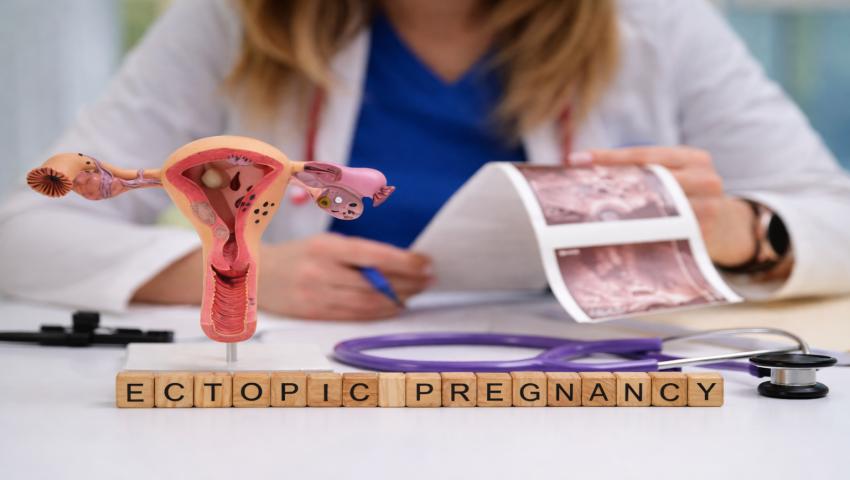
  5. Ectopic Pregnancy: Ectopic pregnancy is a medical emergency. Laparoscopic surgery allows quick intervention, minimizing complications and preserving reproductive health when possible. It plays a life-saving role in such cases.
  6. Chronic Pelvic Pain: When medications fail to relieve chronic pelvic pain, diagnostic laparoscopy helps identify underlying causes such as adhesions or endometriosis and provides immediate treatment if required.

Benefits of Laparoscopic Surgery for Women:

There are several situations where laparoscopic surgery is recommended for women because of its many advantages.

  • Smaller incisions with minimal scarring
  • Less pain and blood loss
  • Faster recovery and shorter hospital stay
  • Lower risk of infection
  • Better cosmetic results

These benefits make laparoscopic surgery a preferred choice for women today.

Who Is an Ideal Candidate?

Laparoscopic surgery is recommended for women who meet specific medical and health criteria.

  • Women with confirmed gynecological conditions
  • Those planning a pregnancy
  • Patients seeking a quicker recovery
  • Individuals are medically fit for surgery after evaluation.

When Laparoscopic Surgery May Not Be Suitable?

Although laparoscopic surgery is safe and effective for many women, it may not be suitable in every situation.

  • Certain medical conditions
  • Extensive pelvic infections
  • Advanced cancer
  • High surgical risk, as assessed by the gynecologist

Conclusion:

Laparoscopic surgery offers a modern, safe, and effective solution for many gynecological conditions. With benefits like faster recovery, minimal scarring, and improved fertility outcomes, timely consultation is essential.

If you are considering laparoscopic surgery in Punawale, consult Dr. Shraddha Galgali and book an appointment for expert guidance and personalized care.

Frequently Asked Questions (FAQ's):

Yes, laparoscopic surgery is generally safe when performed by an experienced gynecologist. It involves small cuts, causes less pain and bleeding, and has a faster recovery compared to open surgery, making it a trusted option for many women.

Recovery after laparoscopic surgery is usually quick. Most women can return to normal daily activities within a few days to one week, depending on the type of procedure and individual healing.

Yes, many women can conceive after a laparoscopy. In fact, the procedure often helps improve fertility by treating problems like blocked tubes or endometriosis that may be affecting pregnancy.

Laparoscopic surgery usually causes only mild pain or discomfort. Since the cuts are small, pain is much less compared to open surgery and can be easily managed with medicines.