
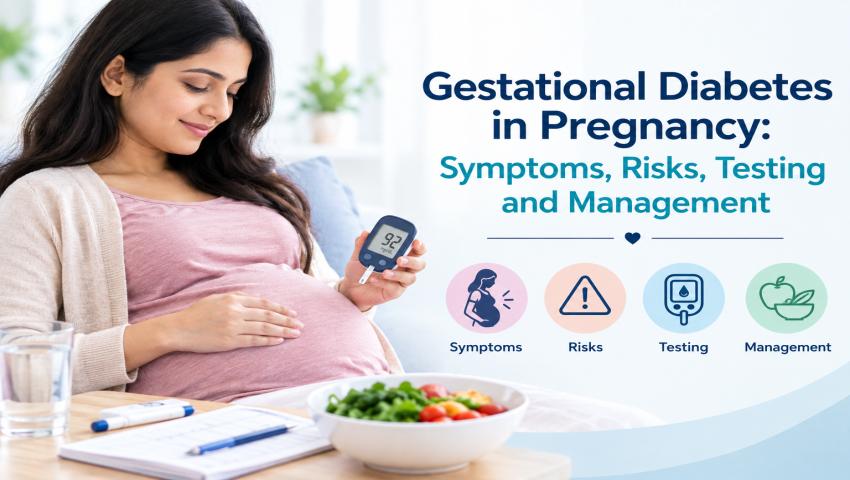
Pregnancy is a beautiful journey, but it also brings several changes to a woman’s body. One condition that deserves attention during pregnancy is gestational diabetes mellitus (GDM), a type of diabetes that develops during pregnancy.
Gestational diabetes may not always cause noticeable symptoms, which is why routine screening during pregnancy is important. When identified early and managed properly, most women with gestational diabetes can have a healthy pregnancy and delivery.
What Is Gestational Diabetes?
Gestational diabetes occurs when blood sugar levels become higher than normal during pregnancy.
During pregnancy, hormonal changes can make the body less sensitive to insulin. Insulin helps glucose move from the blood into cells where it is used for energy. When the body cannot produce enough insulin to overcome this increased resistance, blood glucose levels can rise.
Gestational diabetes can develop even in women who did not have diabetes before pregnancy.
What Causes Gestational Diabetes?
Pregnancy naturally causes hormonal changes that affect how the body uses insulin. As the pregnancy progresses, insulin resistance can increase.
Some women are more likely to develop gestational diabetes because of certain risk factors, including:
- Previous gestational diabetes
- Overweight or obesity
- Family history of diabetes
- Previous delivery of a larger baby
- Polycystic ovary syndrome (PCOS)
- Certain ethnic or genetic risk factors
- Diabetes or elevated blood sugar identified before or early in pregnancy
However, gestational diabetes can occur even without obvious risk factors.
What Are the Symptoms?
One of the challenging aspects of gestational diabetes is that many women have no obvious symptoms. Some women may experience increased thirst, frequent urination, tiredness or blurred vision, but these symptoms can also occur during a normal pregnancy. That is why screening is important rather than waiting for symptoms to appear.
When Is Gestational Diabetes Tested?
For women without risk factors or early evidence of diabetes, glucose screening is generally performed between 24 and 28 weeks of pregnancy. Women with certain risk factors may need testing earlier.
The exact test and testing approach can vary depending on the healthcare provider and local clinical practice.
If an initial screening result is high, additional testing may be recommended to determine whether gestational diabetes is present.
Why Is Managing Gestational Diabetes Important?
Uncontrolled blood sugar during pregnancy can increase the risk of complications for both mother and baby.
Depending on the individual situation, possible concerns may include excessive fetal growth, complications during delivery, high blood pressure-related pregnancy complications and an increased likelihood of certain interventions.
Good blood sugar control can significantly reduce these risks.
How Is Gestational Diabetes Managed?
Management is personalised according to your blood sugar levels, pregnancy stage and overall health.
1. Healthy Eating:
A balanced pregnancy diet is an important part of managing blood glucose.
Your doctor or dietitian may recommend:
- Regular balanced meals
- Appropriate portions of carbohydrates
- Adequate protein
- Plenty of vegetables and fibre
- Limiting foods and drinks high in added sugar
- Avoiding unnecessary long gaps between meals
The goal is not to follow a restrictive diet, but to maintain appropriate nutrition for both mother and baby while keeping blood glucose within the recommended range.
2. Physical Activity:
If there are no pregnancy-related restrictions, appropriate physical activity can help improve insulin sensitivity and blood sugar control. Your obstetrician can guide you regarding the type and amount of activity that is appropriate for your pregnancy.
3. Blood Sugar Monitoring:
Some women may need to check their blood glucose regularly using a glucose meter and maintain a record of their readings. These records help the healthcare team understand how blood sugar is responding to meals, activity and treatment.
4. Medication When Required:
Diet and physical activity are sufficient for some women. However, if blood glucose remains above the recommended range, medication may be necessary. The choice of treatment should always be made by your treating doctor based on your individual pregnancy.
Does Gestational Diabetes Affect the Baby?
Gestational diabetes does not mean that your baby will necessarily have health problems.
However, uncontrolled blood sugar can increase certain pregnancy and newborn risks. This is why regular prenatal appointments, appropriate monitoring and good glucose control are important.
Your doctor may recommend additional monitoring depending on your blood sugar control and other pregnancy-related factors.
What Happens After Delivery?
For many women, blood sugar levels return to normal after delivery. However, having gestational diabetes increases the future risk of developing type 2 diabetes.
Therefore, postpartum follow-up and recommended diabetes testing are important even if you feel completely well.
It is also helpful to maintain a healthy lifestyle after pregnancy, including balanced nutrition, regular physical activity and maintaining a healthy weight.
When Should You Speak to a Doctor?
Do not wait until symptoms appear to discuss gestational diabetes. Routine pregnancy appointments and recommended screening tests help identify potential problems early.
If you have risk factors for diabetes, a history of gestational diabetes or concerns about your blood sugar during pregnancy, discuss them with your obstetrician.
For personalised pregnancy care and guidance regarding gestational diabetes, Dr. Shraddha Galgali, Consultant Obstetrician & Gynecologist, can help you understand your screening, monitoring and treatment options.
Conclusion:
Gestational diabetes is a manageable pregnancy condition when detected and monitored appropriately.
Regular prenatal care, timely glucose screening, healthy nutrition, suitable physical activity and medical guidance can help maintain good blood sugar control throughout pregnancy.
Most importantly, gestational diabetes is not something to panic about. With the right care and regular monitoring, you can focus on having a healthy pregnancy and preparing to welcome your baby.