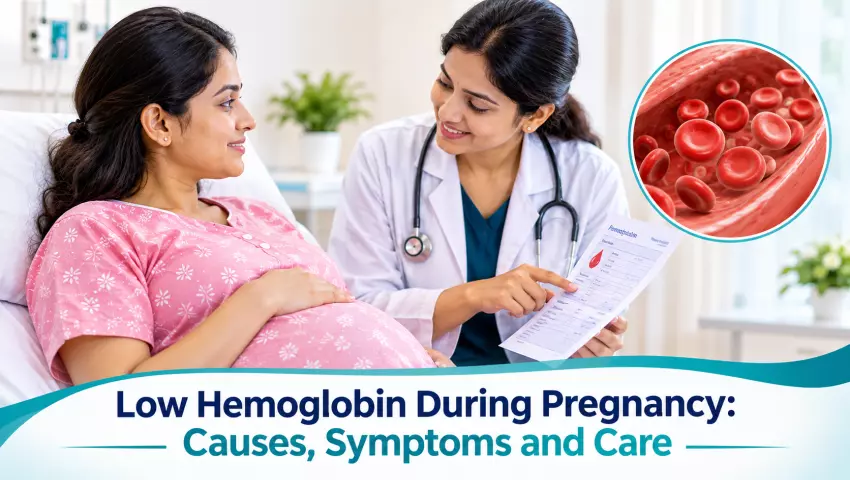
During pregnancy, your body works extra hard to support your growing baby, and getting regular guidance from an experienced gynecologist in Punawale helps you stay ahead of common health concerns. One of the most frequent issues expectant mothers face is low hemoglobin during pregnancy.
If your hemoglobin drops too low, you may feel weak and tired all the time. Knowing why this happens and how to fix it early keeps both you and your baby safe.
What Is Low Hemoglobin During Pregnancy?
Hemoglobin is a special protein inside your red blood cells. Think of it as a delivery truck that carries oxygen from your lungs to your whole body and to your baby.
When your body does not have enough hemoglobin, it is called anemia. During pregnancy, your body makes much more blood than usual. Sometimes, your body cannot make red blood cells fast enough, leading to low hemoglobin levels during pregnancy.
Normal Hemoglobin Levels During Each Trimester:
Doctors check your hemoglobin through a simple blood test. Normal levels change slightly during the three stages (trimesters) of pregnancy:
- First Trimester (Months 1 to 3):0 g/dL or higher
- Second Trimester (Months 4 to 6):5 g/dL or higher
- Third Trimester (Months 7 to 9):0 g/dL or higher
Many mothers ask, “Is 9.5 hemoglobin low during pregnancy?” Yes, 9.5 is below the normal range. It means you have moderate anemia and need proper food and medicines from a trusted Pregnancy Doctor in Punawale.
Causes of Low Hemoglobin During Pregnancy:
Your hemoglobin can drop during pregnancy for a few common reasons:
- Higher Iron Needs: Your body needs double the normal amount of iron to make blood for both you and the baby.
- Lack of Healthy Food: Not eating enough iron-rich food, folic acid, or Vitamin B12 is the main cause of low hemoglobin.
- Severe Vomiting: Heavy morning sickness in the first three months stops your body from keeping nutrients inside.
- Short Gap Between Pregnancies: Getting pregnant again very soon gives your body less time to recover its iron levels.
- Heavy Periods Before Pregnancy: Conditions like fibroids can cause heavy bleeding before conceiving, leaving your body low on iron. Getting timely Uterine Fibroids Treatment in Punawale before planning a baby helps prevent this early blood loss.
- Painful & Heavy Cycles: Severe menstrual pain and bleeding can also drain your iron stores over time, which is why proper Endometriosis Treatment in Punawale is important for women planning a family.
Signs and Symptoms of Low Hemoglobin During Pregnancy:
In the beginning, low hemoglobin looks like normal pregnancy tiredness. However, you should watch out for these warning signs:
- Feeling very tired, weak, or sleepy all day
- Pale skin, especially inside your lower eyelids, lips, and fingernails
- Getting out of breath easily while walking or climbing stairs
- Feeling dizzy or having frequent headaches
- Fast or uneven heartbeat
- Cold hands and feet
- Strange cravings to eat ice, chalk, or mud
How Does Low Hemoglobin Affect the Mother and Baby?
A very common question is, “Does low hemoglobin affect the baby during pregnancy?” If you do not treat it in time, it can cause problems for both of you.
Understanding what happens if hemoglobin is low during pregnancy helps you take action early:
- Effects on the Mother: You may feel extreme weakness, fall sick easily, or lose too much blood during delivery.
- Effects on the Baby: When hemoglobin is low during pregnancy, the baby gets less oxygen. This can slow down the baby’s growth inside the womb and require close monitoring by a high-risk pregnancy specialist in Punawale.
How Is Low Hemoglobin Diagnosed During Pregnancy?
Checking your hemoglobin is very easy and quick. During your first pregnancy check-up, your doctor will do a simple blood test called a CBC (Complete Blood Count). Your doctor will repeat this test in the middle and last months of pregnancy to make sure your blood levels stay healthy.
Treatment for Low Hemoglobin During Pregnancy:
If your blood report is low, knowing what to do if hemoglobin is low during pregnancy is very important. Never take medicines on your own; always follow your doctor’s advice.
Depending on your test results, how to treat low hemoglobin during pregnancy includes:
- Iron and Folic Acid Tablets: Doctors give daily iron and vitamin tablets to help your body make new blood quickly.
- Iron Drips (IV Therapy): If your hemoglobin is very low in the last months, or if tablets upset your stomach, doctors may give iron directly through a vein for fast results.
- Blood Transfusion: This is only needed in very serious cases right before delivery.
Dietary Care to Improve Hemoglobin Levels During Pregnancy:
Good home food works together with your medicines to increase blood levels. If you are thinking about what to eat when you have low hemoglobin during pregnancy, add these simple items to your daily meals:
- Vegetarian Iron Foods: Spinach (palak), fenugreek (methi), beetroot, dates (khajoor), figs (anjeer), roasted chana, jaggery (gud), and lentils (dal).
- Non-Vegetarian Iron Foods: Eggs, chicken, fish, and mutton, which help the body absorb iron very fast.
- Vitamin C Foods: Eat oranges, lemon, amla, guava, or tomatoes with your meals. Vitamin C helps your body absorb iron properly.
- What to Avoid: Do not drink tea, coffee, or milk right before or after taking iron tablets, as they stop your body from absorbing iron.
How to Prevent Low Hemoglobin During Pregnancy?
You can easily stop your hemoglobin from dropping by following these simple habits:
- Start taking folic acid and pregnancy vitamins as soon as you plan for a baby. If you are tracking ovulation through a Follicular Scan in Punawale, building your iron stores early makes a big difference.
- Manage hormonal imbalances before conceiving. Women taking PCOS/PCOD Treatment in Punawale should also check their iron and vitamin levels regularly.
- Eat small, healthy meals every few hours instead of skipping food.
- Cook your daily vegetables and dal in an iron kadhai (lohe ki kadhai).
- Go for all your regular pregnancy blood tests on time.
When Should You Consult a Gynecologist?
You should visit a Female Gynecologist in Punawale right away if you feel very dizzy, faint, have chest pain, or find it hard to breathe. Also, tell your doctor if your iron tablets cause constipation or stomach pain so they can give you a different medicine.
Expert Pregnancy Care at Dr. Shraddha's EXCELLA Women's Wellness Clinic, Punawale:
Proper care and regular check-ups make pregnancy safe and stress-free. Dr. Shraddha Galgali is a Consultant Obstetrician and Gynecologist with 8+ years of experience in women’s healthcare. She holds an MBBS, DNB in Obstetrics & Gynecology, and a Fellowship in Laparoscopy & Hysteroscopy from Italy.
She is the Director and Head of Dr. Shraddha’s EXCELLA Women’s Wellness Clinic, recognized as the Best Maternity Clinic in Punawale, PCMC, Pune. Here, expectant mothers receive complete support from early scans to safe delivery.
For couples planning a family, the clinic also offers trusted Infertility Treatment in Punawale to help them conceive safely. Additionally, Dr. Shraddha specializes in minimally invasive Laparoscopic Surgery in Punawale for treating complex gynecological conditions with faster recovery. Dr. Shraddha focuses on providing patient-friendly, ethical, and evidence-based care to women at every stage of life.
Conclusion:
Managing low hemoglobin during pregnancy is simple when you catch it early. Eating iron-rich home food, taking your doctor’s tablets regularly, and going for routine check-ups will keep you strong and help your baby grow healthy. For personalized maternity care and expert guidance throughout your pregnancy, book an appointment with Dr. Shraddha Galgali and visit Dr. Shraddha EXCELLA Women’s Wellness Clinic today.
FAQs About Low Hemoglobin During Pregnancy:
Yes. Low hemoglobin makes you feel very tired during labour, which makes it harder to push, and increases the risk of heavy bleeding after childbirth. Regular check-ups at the Best Maternity Clinic in Punawale with an experienced Pregnancy Doctor in Punawale help you build safe blood levels before your due date.
Doctors prefer your hemoglobin to be at least 11.0 g/dL before delivery to protect your body against normal blood loss. Consulting a trusted Female Gynecologist in Punawale ensures your iron levels are monitored and improved well in advance.
Yes. When hemoglobin is very low, the baby gets less oxygen, which can trigger early labour pains before 37 weeks. Close care from a High Risk Pregnancy Specialist in Punawale helps prevent such complications and keeps both mother and baby safe.
With regular iron tablets and healthy food, your hemoglobin starts improving in 2 to 4 weeks, though full recovery takes 2 to 3 months. If heavy bleeding from past issues like fibroids or cysts caused your anemia, timely Uterine Fibroids Treatment in Punawale or Endometriosis Treatment in Punawale before pregnancy helps maintain healthy iron stores.
Yes. Without enough oxygen and nutrients from the mother’s blood, the baby may grow slowly and be born with a low birth weight. Whether you conceived naturally or through Infertility Treatment in Punawale and PCOS/PCOD Treatment in Punawale, maintaining good hemoglobin is key to your baby’s healthy weight gain.