
Author Archives: Dr. Shraddha Galgali

Vaginal Birth After C-Section (VBAC): When Is a Normal Delivery Possible After C-Section?

Having a Caesarean section for a previous pregnancy does not automatically mean that every future baby must be delivered by C-section.

Some women who have had a previous Caesarean may be able to have a vaginal birth after Caesarean, commonly known as VBAC.

However, VBAC is not suitable for everyone. The decision depends on several factors related to your previous surgery, current pregnancy, medical history and the facilities available at the hospital.

If you are pregnant after a previous C-section and wondering whether a vaginal birth may be possible, understanding VBAC can help you have a more informed discussion with your obstetrician.

What Is VBAC?

VBAC stands for Vaginal Birth After Cesarean.

When a woman who has previously had a C-section plans to attempt vaginal delivery, the process is often called a trial of labor after cesarean (TOLAC). If the trial is successful, the baby is delivered vaginally. If vaginal delivery is not possible or becomes unsafe, a repeat C-section may be required.

Can You Have a Normal Delivery After a C-Section?

In some cases, yes.

However, there is no universal rule that every woman with one previous C-section can or cannot have a vaginal delivery.

Your doctor will consider several factors before recommending whether attempting VBAC is appropriate.

These may include:

  • The reason for your previous C-section
  • The type of incision made on your uterus
  • Number of previous C-sections
  • Your current pregnancy
  • Position and size of the baby
  • Placental location
  • Other medical or pregnancy-related conditions
  • Previous vaginal delivery, if any
  • Availability of appropriate emergency obstetric care

Why Does the Previous Uterine Scar Matter?

The scar on the uterus is particularly important.

A low-transverse uterine incision is the most common type and generally carries the lowest risk of uterine rupture during a future trial of labor.

Other incision types, particularly certain high vertical or classical incisions, can carry a higher risk and may make VBAC inappropriate.

Importantly, the scar on your skin does not tell you what type of incision was made on your uterus. Your previous surgical records can provide this information.

What Are the Benefits of a Successful VBAC?

When successful, VBAC can offer several benefits.

These may include:

  • Avoiding another abdominal surgery
  • Shorter recovery compared with C-section
  • Lower risk of certain surgical complications
  • Less blood loss in some circumstances
  • Potentially fewer complications associated with multiple Caesarean deliveries in future pregnancies

A successful VBAC can also allow a woman to experience vaginal birth if that is important to her.

What Are the Risks of VBAC?

VBAC also has risks that need to be carefully discussed.

One of the most serious, although uncommon, complications is uterine rupture, where the previous uterine scar opens during labour. This can be dangerous for both mother and baby and requires immediate medical attention.

There is also a possibility that labour may not result in a vaginal delivery and an emergency C-section may become necessary.

This is why attempting VBAC should be planned in a setting where appropriate emergency care is available.

What Factors Can Affect the Chances of VBAC?

Every pregnancy is different. Factors that may influence the possibility of successful vaginal birth include:

  • Previous Vaginal Delivery: A previous vaginal delivery can be an important factor when assessing VBAC prospects.
  • Reason for Previous C-Section: The reason for the earlier C-section may also influence the current delivery plan.
  • Type of Uterine Incision: The previous surgical records can help your obstetrician determine whether the uterine scar is appropriate for considering VBAC.
  • Current Pregnancy: The baby’s position, estimated size, placental location and other pregnancy factors may influence the decision.
  • Hospital Facilities: VBAC should be attempted in a hospital that can respond quickly if an emergency arises.

Does Choosing VBAC Mean You Will Definitely Have a Normal Delivery?

No.

Planning a VBAC means planning an attempt at vaginal birth, not guaranteeing the outcome.

Labour can progress differently than expected. If the health of the mother or baby becomes a concern, or if labour does not progress appropriately, a Caesarean delivery may become the safest option.

The priority should always be the safety of both mother and baby.

Is VBAC Safe for Everyone?

No. VBAC suitability must be assessed individually.

Some women may have medical or surgical factors that make attempting labour unsafe. Others may be reasonable candidates after detailed evaluation.

This is why it is important not to compare your pregnancy with a friend’s or relative’s experience. Your previous operation records and current pregnancy details matter.

Questions to Ask Your Obstetrician:

If you have had a previous C-section, consider discussing these questions during your pregnancy consultation:

  • What type of uterine incision did I have?
  • Am I a suitable candidate for VBAC?
  • What factors could affect my chances of vaginal birth?
  • What are the risks in my particular case?
  • Where should I plan my delivery?
  • What happens if labour does not progress normally?
  • Could an emergency C-section become necessary?

Shared decision-making between the woman and her obstetrician is an important part of choosing between TOLAC/VBAC and a planned repeat Caesarean.

Planning Your Delivery After a Previous C-Section:

If you are pregnant after a previous C-section, you do not necessarily need to make the delivery decision based on fear or assumptions.

Instead, start the discussion early, provide your previous medical and surgical records, attend regular prenatal appointments and understand the benefits and risks of your available options.

For personalised assessment and pregnancy guidance, Dr. Shraddha Galgali, Consultant Obstetrician & Gynecologist, can evaluate your medical history and current pregnancy and help you understand whether VBAC may be an option for you.

Conclusion:

A previous C-section does not automatically rule out the possibility of a vaginal birth. For some women, VBAC may be a safe and appropriate option. For others, a repeat Caesarean may be the safer choice.

The right decision depends on your individual medical history, previous uterine incision, current pregnancy and the availability of appropriate medical care.

Rather than focusing only on whether a “normal delivery” is possible, the most important goal is to choose a safe and medically appropriate birth plan for both mother and baby.
Recurrent Miscarriages: When Should You Seek Specialist Care?

Experiencing a miscarriage is emotionally and physically challenging. When pregnancy loss happens repeatedly, it can leave couples feeling anxious, confused, and hopeless. However, recurrent miscarriages are not the end of your journey to parenthood. With timely evaluation, proper diagnosis, and personalized treatment, many women go on to have healthy pregnancies. If you have had two or more consecutive pregnancy losses, it is important to consult an experienced obstetrician and gynecologist to identify the underlying cause and plan the right treatment.

What Is Recurrent Miscarriage?

Recurrent miscarriage, also known as Recurrent Pregnancy Loss (RPL), is generally defined as the loss of two or more consecutive pregnancies before 20 weeks of gestation. Although miscarriage is relatively common, recurrent miscarriages affect only a small percentage of couples. Identifying the cause early significantly improves the chances of a successful pregnancy.

Common Causes of Recurrent Miscarriages:

Several medical conditions can contribute to repeated pregnancy loss.

1. Chromosomal Abnormalities:

Genetic abnormalities in the embryo are one of the most common causes of early miscarriage. Sometimes, one of the parents may carry a balanced chromosomal rearrangement that increases the risk.

2. Uterine Abnormalities:

Structural problems with the uterus can interfere with implantation or fetal growth.

These include:

  • Uterine septum
  • Fibroids inside the uterine cavity
  • Uterine adhesions
  • Congenital uterine abnormalities

3. Hormonal Disorders:

Hormonal imbalance can affect implantation and pregnancy development.

Common conditions include:

  • Thyroid disorders
  • Uncontrolled diabetes
  • PCOS (Polycystic Ovary Syndrome)
  • Progesterone deficiency
4. Autoimmune Disorders:

Certain immune conditions may increase the risk of miscarriage, including:

  • Antiphospholipid Syndrome (APS)
  • Systemic Lupus Erythematosus (SLE)
5. Blood Clotting Disorders:

Inherited or acquired clotting disorders may reduce blood flow to the developing placenta.

6. Lifestyle Factors:

Lifestyle also plays an important role.

Risk factors include:

  • Smoking
  • Alcohol consumption
  • Obesity
  • Excessive caffeine intake
  • Chronic stress
  • Poor nutrition
7. Maternal Age:

Women above the age of 35 years have a higher risk of miscarriage due to age-related changes in egg quality.

When Should You Consult a Specialist?

You should seek specialist care if you have experienced:

  • Two or more consecutive miscarriages
  • Three or more pregnancy losses at any stage
  • Pregnancy loss after detecting a fetal heartbeat
  • Difficulty conceiving after repeated miscarriages
  • A family history of recurrent miscarriage or genetic disorders
  • Multiple failed IVF cycles
  • Known medical conditions like thyroid disease, diabetes, or autoimmune disorders

Early evaluation can identify treatable conditions before your next pregnancy.

What Tests May Be Recommended?

Your gynecologist may suggest a combination of investigations based on your medical history.

Blood Tests:
  • Thyroid function tests
  • Blood sugar levels
  • Hormonal evaluation
  • Antiphospholipid antibody testing
  • Complete blood count
  • Vitamin D and nutritional assessment (when indicated)
Genetic Testing:
  • Karyotyping for both partners
  • Testing of pregnancy tissue (in selected cases)
Imaging Studies:
  • Pelvic ultrasound
  • 3D ultrasound
  • Sonohysterography
  • Hysteroscopy
  • MRI (only if required)
Additional Evaluation:

Depending on individual circumstances, clotting disorder screening or other specialized investigations may be recommended.

Treatment Depends on the Cause:

There is no single treatment for recurrent miscarriage. Management is individualized based on the underlying diagnosis.

Treatment options may include:

  • Thyroid or diabetes management
  • Progesterone support during early pregnancy (when appropriate)
  • Blood-thinning medications for Antiphospholipid Syndrome
  • Surgical correction of uterine abnormalities
  • Lifestyle modifications
  • Weight management
  • Nutritional supplementation
  • Genetic counseling
  • Close monitoring during future pregnancies

A personalized care plan offers the best chance for a healthy pregnancy.

Can You Have a Healthy Pregnancy After Recurrent Miscarriages?

Yes. Many couples who experience recurrent miscarriages eventually achieve successful pregnancies with proper medical care. Advances in reproductive medicine allow specialists to diagnose and treat many underlying conditions effectively. Regular prenatal care, early pregnancy monitoring, and timely intervention can significantly improve outcomes.

Tips to Reduce the Risk:

While not every miscarriage can be prevented, these healthy habits may support pregnancy:

  • Maintain a healthy body weight.
  • Manage thyroid disorders and diabetes before conception.
  • Stop smoking and avoid alcohol.
  • Eat a balanced, nutrient-rich diet.
  • Take folic acid before and during pregnancy.
  • Exercise moderately as advised by your doctor.
  • Attend regular prenatal check-ups.
  • Seek medical advice before trying to conceive again.

Emotional Healing Is Equally Important:

Repeated pregnancy loss can take a significant emotional toll on both partners. Feelings of grief, anxiety, guilt, and fear are common. Along with medical treatment, emotional support from family, counseling, or support groups can make the journey easier. Remember, seeking help is a sign of strength, and you do not have to go through this alone.

When to Book an Appointment?

If you have experienced two or more miscarriages, don’t wait for another pregnancy loss before seeking medical advice. Early evaluation can identify treatable causes and improve your chances of a healthy pregnancy. Consult Dr. Shraddha Galgali, Consultant Obstetrician & Gynecologist in Punawale, Pune, for comprehensive evaluation, personalized treatment, and compassionate care for recurrent pregnancy loss.

Frequently Asked Questions (FAQs):

Most specialists recommend evaluation after two consecutive miscarriages, although recurrent pregnancy loss has traditionally been defined as three or more.

Yes. Many causes, including hormonal disorders, uterine abnormalities, thyroid disease, and Antiphospholipid Syndrome, can be treated or effectively managed.

In many cases, yes. With the right diagnosis, treatment, and close pregnancy monitoring, many women go on to have healthy babies.

Yes. Depending on your history, both partners may require genetic evaluation and fertility assessment.

The timing varies based on the cause of miscarriage, your physical recovery, and emotional readiness. Your gynecologist can guide you on the safest time to try again.

Why Are Gynecological Cancers Increasing in Younger Women?

For many years, gynecological cancers were considered diseases that mainly affected older women. However, healthcare professionals are now seeing an increasing number of younger women being diagnosed with certain gynecological cancers, often in their 20s, 30s, and early 40s. While this trend does not mean that cancer has become common in young women, it highlights the importance of awareness, regular gynecological check-ups, HPV vaccination, and recognizing early warning signs.

The good news is that many gynecological cancers are highly treatable when detected early.

What Are Gynecological Cancers?

Gynecological cancers are cancers that develop in a woman’s reproductive organs.

These include:

  • Cervical Cancer
  • Ovarian Cancer
  • Uterine (Endometrial) Cancer
  • Vaginal Cancer
  • Vulvar Cancer
  • Fallopian Tube Cancer

Each type has different risk factors, symptoms, and treatment options.

Are Gynecological Cancers Really Increasing in Younger Women?

Certain gynecological cancers, particularly cervical cancer, continue to affect younger women, especially where HPV vaccination and regular screening rates are low. In addition, lifestyle-related risk factors such as obesity are contributing to a rise in endometrial (uterine) cancer among younger women. Better awareness, improved diagnostic techniques, and earlier detection may also contribute to an apparent increase in diagnoses. Although ovarian and other gynecological cancers are still more common after menopause, they can occur in younger women as well.

Possible Reasons Behind the Rising Trend:

1. Human Papillomavirus (HPV) Infection:

Persistent infection with high-risk HPV strains is the leading cause of cervical cancer. Many HPV infections cause no symptoms and may persist for years before leading to precancerous changes. Fortunately, HPV vaccination and regular cervical screening can significantly reduce this risk.

2. Delayed Childbearing:

Many women today choose to have children later due to education, career goals, or personal reasons. Delaying pregnancy may influence the risk of certain gynecological conditions, although the relationship with cancer varies depending on the cancer type and individual risk factors.

3. Rising Obesity Rates:

Obesity increases estrogen levels, which can raise the risk of endometrial (uterine) cancer. It is also associated with:

  • PCOS
  • Diabetes
  • Metabolic syndrome
  • Chronic inflammation

Maintaining a healthy weight is an important step in reducing risk.

4. Sedentary Lifestyle:

Physical inactivity contributes to obesity and hormonal imbalance, both of which can affect long-term reproductive health. Regular exercise supports overall well-being and may lower the risk of several cancers.

5. Family History and Genetics:

Inherited genetic mutations, such as BRCA1 and BRCA2, significantly increase the risk of ovarian and certain other cancers. Women with a strong family history of breast or ovarian cancer should discuss genetic counseling with their healthcare provider.

6. Hormonal Imbalances:

Long-standing hormonal disturbances, including irregular ovulation seen in some women with PCOS, may increase the risk of endometrial cancer if left untreated. Timely diagnosis and appropriate treatment are important.

7. Better Awareness and Early Diagnosis:

Advances in medical imaging, screening programs, and increased awareness mean that cancers are often detected earlier than in the past. This is a positive development because early-stage cancers are generally easier to treat.

Warning Signs You Should Never Ignore:

Many gynecological cancers develop silently in their early stages.

Consult your gynecologist if you experience:

  • Abnormal vaginal bleeding
  • Bleeding after intercourse
  • Bleeding after menopause
  • Heavy or prolonged periods
  • Persistent pelvic pain
  • Pain during intercourse
  • Persistent bloating
  • Frequent urination
  • Unexplained weight loss
  • Loss of appetite
  • Persistent vaginal discharge with an unusual smell or blood

Symptoms do not always indicate cancer, but they should always be evaluated.

Who Is at Higher Risk?

You may have a higher risk if you have:

  • Persistent HPV infection
  • Family history of ovarian, breast, or uterine cancer
  • BRCA gene mutation
  • Obesity
  • Diabetes
  • PCOS with prolonged irregular periods
  • Smoking
  • Weak immune system
  • History of abnormal Pap smear results

How Can You Reduce Your Risk?

Although not every cancer can be prevented, healthy lifestyle choices and regular screening can lower your risk.

  • Get the HPV Vaccine: HPV vaccination provides strong protection against the high-risk HPV types responsible for most cervical cancers. It is most effective before exposure to the virus but may still benefit eligible individuals based on age and medical advice.
  • Attend Regular Cervical Screening: Routine cervical screening (such as Pap smear and, where appropriate, HPV testing) helps detect precancerous changes before they become cancer.
  • Maintain a Healthy Weight: Regular exercise and a balanced diet support hormonal health and reduce the risk of obesity-related cancers.
  • Don’t Ignore Persistent Symptoms: Any abnormal bleeding, pelvic pain, or unusual discharge should be assessed by a gynecologist promptly.
  • Know Your Family History: If close relatives have had breast or ovarian cancer, discuss whether genetic counseling or earlier screening is appropriate.

Importance of Early Detection:

Early diagnosis can:

  • Improve treatment success
  • Allow less extensive treatment in some cases
  • Preserve fertility in selected women with early-stage disease
  • Improve long-term survival and quality of life

Routine gynecological check-ups remain one of the best ways to protect your reproductive health.

When Should You Visit a Gynecologist?

Book an appointment if you experience:

  • Bleeding between periods
  • Bleeding after menopause
  • Persistent pelvic pain
  • Unexplained bloating lasting more than two weeks
  • Pain during intercourse
  • Recurrent abnormal vaginal discharge
  • A strong family history of gynecological or breast cancers

Early evaluation can help identify whether symptoms are due to a benign condition or require further investigation.

Conclusion:

While some gynecological cancers are being diagnosed more frequently in younger women, most cases are not caused by a single factor. Genetics, HPV infection, obesity, hormonal imbalance, and lifestyle all play important roles. The key message is simple: do not ignore persistent symptoms, keep up with recommended screenings, consider HPV vaccination if appropriate, and seek medical advice early. Early detection saves lives and offers the best chance for successful treatment.

If you have concerns about abnormal bleeding, pelvic pain, or your personal cancer risk, consult Dr. Shraddha Galgali, Consultant Obstetrician & Gynecologist in Punawale, Pune, for expert evaluation, preventive care, and personalized guidance.

Frequently Asked Questions (FAQs):

Yes. Although many gynecological cancers are more common in older women, cervical, ovarian, and endometrial cancers can also occur in younger women.

No. Most HPV infections clear naturally, but persistent infection with high-risk HPV types can increase the risk of cervical cancer over time.

Usually not. However, persistent abnormal bleeding or changes in menstrual patterns should be evaluated by a gynecologist.

Not all can be prevented, but HPV vaccination, regular cervical screening, maintaining a healthy weight, and timely treatment of gynecological conditions can reduce the risk.

The appropriate age and screening method depend on your country’s guidelines and your individual risk factors. Your gynecologist can recommend the most suitable screening schedule.

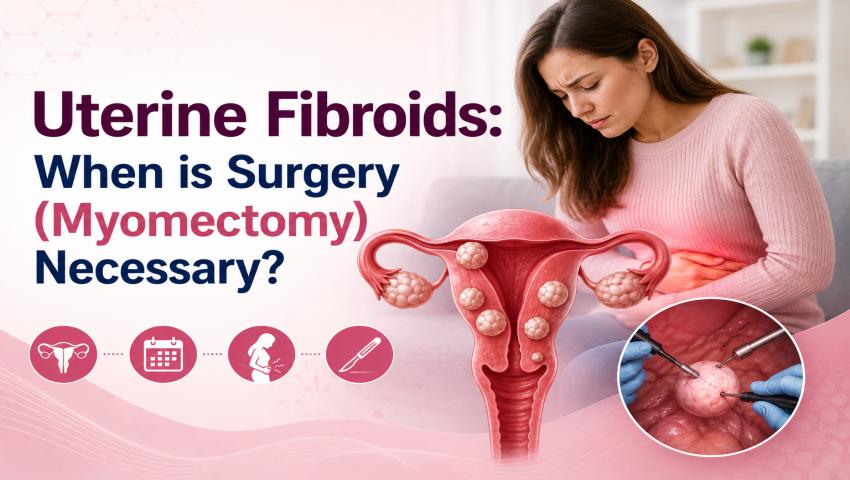
Uterine Fibroids: When is Surgery (Myomectomy) Necessary?

Discovering that you have uterine fibroids can bring up a lot of questions. Are they dangerous? Will they affect my fertility? Do I need to get them removed? First, take a deep breath. Uterine fibroids are non-cancerous (benign) growths that develop in or around the wall of the uterus. They are incredibly common, affecting up to 70-80% of women by the time they reach age 50. In fact, many women have them and never even know it because they experience zero symptoms.

However, for some women, fibroids can cause severe pain, heavy bleeding, and fertility challenges. When lifestyle changes and medications fail to bring relief, surgery becomes a viable option.

If you are considering surgical options, a myomectomy is often the top choice—especially if you wish to preserve your fertility. Let’s dive into what a myomectomy is and exactly when it becomes necessary.

What is a Myomectomy?

Unlike a hysterectomy (which removes the entire uterus), a myomectomy is a surgical procedure that removes only the fibroids, leaving your uterus intact. Because it preserves your reproductive organs, it is the preferred surgical option for women who plan to have children in the future or who simply wish to keep their uterus.

Depending on the size, number, and location of your fibroids, a myomectomy can be performed in three ways:

  • Abdominal Myomectomy (Open Surgery): For very large or numerous fibroids.
  • Laparoscopic or Robotic Myomectomy (Keyhole Surgery): A minimally invasive approach using small incisions, offering faster recovery and less pain.
  • Hysteroscopic Myomectomy: Done through the vagina and cervix (no incisions) for fibroids growing inside the uterine cavity.

When is a Myomectomy Necessary?

Your gynecologist will always look at your symptoms, your age, and your family planning goals before recommending surgery. Generally, a myomectomy is highly recommended in the following scenarios:

1. You Experience Heavy, Unprolonged Menstrual Bleeding:

If your periods are so heavy that you are changing pads every hour, passing large blood clots, or bleeding for more than a week, it’s a major red flag. Severe blood loss often leads to chronic fatigue and anemia (low red blood cell count). If hormonal medications or non-surgical treatments fail to control the bleeding, removing the fibroids is the best way to restore your quality of life.

2. Fibroids Are Interfering with Fertility or Causing Miscarriages:

While many women with fibroids have perfectly healthy pregnancies, certain fibroids can get in the way.

  • Submucosal fibroids (which grow into the uterine cavity) can alter the lining of the womb, making it difficult for a fertilized egg to implant.
  • Large fibroids can block the fallopian tubes, preventing sperm from meeting the egg. If you have been struggling with unexplained infertility or have experienced recurrent miscarriages, a myomectomy can significantly improve your chances of conceiving and carrying a baby to term.
3. You Suffer from Severe Pelvic Pain or Pressure:

As fibroids grow, they take up valuable space in your pelvis. This can lead to a constant, dull ache in your lower abdomen, chronic lower back pain, or pain during intercourse. If the pain is affecting your daily routine and over-the-counter painkillers no longer help, surgical removal is necessary.

4. The "Bulk Effect" (Pressure on Bladder and Bowel):

Large fibroids can weigh down on surrounding organs.

  • If a fibroid presses against your bladder, you might feel the urge to urinate constantly or struggle to empty your bladder completely.
  • If it presses against your bowel, it can cause chronic constipation, bloating, and abdominal distension (making your abdomen look prematurely pregnant).
5. Rapidly Growing Fibroids:

While fibroids are benign, any growth that increases in size very quickly needs careful evaluation. If your doctor notices during routine ultrasounds that a fibroid is growing aggressively, they may recommend a myomectomy to remove it and biopsy the tissue, ensuring there are no complications.

Is a Myomectomy Right for You?

The decision to undergo surgery is highly personal. If you are near menopause, your doctor might suggest waiting, as fibroids naturally shrink when estrogen levels drop after menopause. However, if you are in your reproductive years and fibroids are dictating your comfort, energy levels, or plans for a family, a myomectomy can be life-changing.

Next Steps: Consult an Expert

Every woman’s body and medical history are unique. If you suspect you have fibroids or have already been diagnosed and want to explore your surgical options—particularly minimally invasive laparoscopic myomectomy—it is crucial to consult an experienced gynecologist and advanced laparoscopic surgeon.

Don’t let chronic pain or heavy bleeding hold you back. Schedule a consultation today to discuss a personalized treatment plan tailored to your health and future goals.

Why Are Periods Missed or Delayed? Learn the Real Causes, Symptoms, and Appropriate Remedies.

irregular periods reasons

पीरियड्स मिस या लेट क्यों होते हैं? (Why Periods Are Missed or Delayed) जानिए असली कारण, लक्षण और सही उपाय

क्या इस बार आपके पीरियड्स (Periods) समय पर नहीं आए? क्या तारीख निकल गई और आप अभी भी इंतज़ार में हैं? अगर हाँ, तो पहले एक गहरी सांस लीजिए। यह समस्या सिर्फ आपके साथ नहीं है। हर तीन में से एक महिला को अपनी ज़िंदगी में कभी न कभी पीरियड मिस (Period Miss) या पीरियड लेट होने की परेशानी होती है।

Dr. Shraddha Excella Women’s Clinic, पुनावले की वरिष्ठ ( Gynecologist) स्त्री रोग विशेषज्ञ डॉ. श्रद्धा गलगली ( Dr. Shraddha Galgali) जिनके पास 8 से अधिक वर्षों का बीमारी की जांच या पहचान करने वाला अनुभव है कहती हैं कि महिलाएं अक्सर पीरियड न आने का कारण सिर्फ प्रेगनेंसी मान लेती हैं, जबकि सच्चाई यह है कि इसके पीछे कई और भी गहरी वजहें हो सकती हैं जिन्हें समझना ज़रूरी है।

पीरियड लेट होने का असल मतलब क्या है? (What is a Delayed Period?)

एक सामान्य मासिक धर्म चक्र (Menstrual Cycle) 21 से 35 दिनों का होता है। अगर आपकी नियत तारीख से 5 से 7 दिन ऊपर हो जाएं और ब्लीडिंग शुरू न हो, तो इसे “पीरियड लेट होना” (Late Period) या “मिस्ड पीरियड” (Missed Period) कहते हैं।

लेकिन अगर 2 महीने से पीरियड न आए (2 month period miss hone ke karan) यह स्थिति गंभीर हो सकती है और किसी विशेषज्ञ से तुरंत सलाह लेना ज़रूरी है।

पीरियड लेट होने के 9 प्रमुख कारण | (Periods Miss Hone Ke Karan)

1. प्रेगनेंसी (Pregnancy):

पीरियड न आने का सबसे पहला और आम कारण है — गर्भावस्था। जब महिला गर्भ धारण करती है, तो शरीर में HCG (Human Chorionic Gonadotropin) हार्मोन बनने लगता है, जो पीरियड्स को रोक देता है।

डॉ. श्रद्धा गलगली की सलाह: अगर पीरियड 1 हफ्ते से ज्यादा लेट हो और आप सेक्शुअली एक्टिव हैं, तो सबसे पहले घरेलू प्रेगनेंसी टेस्ट किट से जांच करें। सुबह के पहले मूत्र (First Morning Urine) से टेस्ट सबसे सटीक होता है।

2. अत्यधिक मानसिक तनाव (Stress):

आज की भागदौड़ भरी ज़िंदगी में तनाव (Stress) महिलाओं के हार्मोन्स पर सबसे ज्यादा असर डालता है। जब आप बहुत अधिक टेंशन में होती हैं, तो दिमाग का हाइपोथैलेमस (Hypothalamus) जो मासिक धर्म के हार्मोन को नियंत्रित करता है ठीक से काम नहीं करता।

इससे ओव्यूलेशन (Ovulation) में देरी होती है और पीरियड लेट हो जाते हैं (period delay hone ke reason)

लक्षण:

  • नींद न आना
  • चिड़चिड़ापन
  • भूख में बदलाव
  • पीरियड्स का अनियमित होना
3. PCOD / PCOS (पॉलीसिस्टिक ओवेरियन डिजीज):

डॉ. श्रद्धा गलगली के अनुसार, पुणे और PCMC क्षेत्र में आजकल युवा महिलाओं में PCOD (Polycystic Ovarian Disease) की समस्या तेजी से बढ़ रही है।

PCOD में अंडाशय (Ovary) में छोटी-छोटी गांठें (Cysts) बन जाती हैं और शरीर में पुरुष हार्मोन (Androgen) का स्तर असामान्य रूप से बढ़ जाता है। यह अनियमित पीरियड्स (Irregular Periods) का एक प्रमुख कारण है।

PCOD के प्रमुख लक्षण:

  • चेहरे, पीठ या छाती पर अचानक बाल आना
  • मुँहासे (Acne) बढ़ना
  • बिना कारण वजन बढ़ना
  • पीरियड्स का अनियमित होना या महीनों तक न आना

ध्यान दें: PCOD को नजरअंदाज करने पर भविष्य में गर्भधारण (Pregnancy) में मुश्किल आ सकती है।

4. वजन में अचानक बदलाव (Weight Fluctuation):

चाहे वजन अचानक बढ़े या घटे, दोनों स्थितियाँ पीरियड लेट होने का कारण (period late hone ka karan) बन सकती हैं।

  • अधिक वजन (Obesity): शरीर में एस्ट्रोजन हार्मोन की मात्रा बढ़ जाती है जो पीरियड साइकिल को बिगाड़ देती है।
  • बहुत कम वजन / क्रैश डाइटिंग: शरीर को लगता है कि यह “संकट की स्थिति” है, इसलिए वह ओव्यूलेशन बंद कर देता है।

डॉ. गलगली की सलाह: BMI (Body Mass Index) 18.5 से 24.9 के बीच रखने की कोशिश करें। इससे पीरियड्स नियमित रहते हैं।

5. थायराइड की समस्या (Thyroid Issues):

थायराइड ग्रंथि (Thyroid Gland) शरीर के मेटाबॉलिज्म को नियंत्रित करती है। जब यह ठीक से काम नहीं करती, तो पूरा हार्मोनल सिस्टम प्रभावित होता है।

  • हाइपोथायरायडिज्म (Hypothyroidism): थायराइड कम सक्रिय होना पीरियड्स (Periods)भारी और अनियमित हो जाते हैं।
  • हाइपरथायरायडिज्म (Hyperthyroidism): थायराइड अधिक सक्रिय होना पीरियड्स बहुत कम या बंद हो सकते हैं।

थायराइड की जांच एक साधारण Blood Test (TSH Level) से हो जाती है।

6. गर्भनिरोधक गोलियां (Birth Control Pills):

अगर आप गर्भनिरोधक गोलियां (Contraceptive Pills) ले रही हैं या हाल ही में बंद की हैं, तो पीरियड्स अनियमित हो सकते हैं। इन गोलियों में मौजूद हार्मोन ओव्यूलेशन को दबा देते हैं। गोलियां बंद करने के बाद शरीर को सामान्य होने में 3 से 6 महीने तक का समय लग सकता है।

7. स्तनपान (Breastfeeding):

डिलीवरी के बाद जो महिलाएं अपने शिशु को स्तनपान कराती हैं, उनके शरीर में प्रोलैक्टिन (Prolactin) हार्मोन बनता है। यह हार्मोन ओव्यूलेशन को दबाता है, जिससे पीरियड्स न आने की वजह (periods na aane ki wajah) स्वाभाविक होती है| यह घबराने की बात नहीं है।

8. प्री-मेनोपॉज (Perimenopause):

अगर आपकी उम्र 38-45 के बीच है और पीरियड्स अचानक अनियमित हो गए हैं, तो यह पेरी-मेनोपॉज (Perimenopause) की शुरुआत हो सकती है। इस दौरान अंडाशय धीरे-धीरे अपनी कार्यक्षमता कम करने लगते हैं।

लक्षण:

  • हॉट फ्लशेज़ (Hot Flushes)
  • नींद में गड़बड़ी
  • मूड स्विंग्स
  • पीरियड्स का अनियमित होना
9. खून की कमी / एनीमिया (Anemia):

शरीर में हीमोग्लोबिन (Hemoglobin) कम होने पर भी पीरियड साइकिल प्रभावित हो सकती है। भारत में यह समस्या महिलाओं में बहुत आम है। नियमित खानपान और आयरनयुक्त आहार से इसे नियंत्रित किया जा सकता है।

कितने दिन तक पीरियड लेट होना नॉर्मल है?

आमतौर पर महिलाओं का मासिक चक्र 21 से 35 दिनों के बीच होता है। इस दौरान 1 से 5 दिन तक का delay सामान्य माना जाता है और इसमें घबराने की जरूरत नहीं होती।

लेकिन अगर:

  • पीरियड 7 दिन से ज्यादा लेट हो जाए
  • या बार-बार cycle irregular हो

तो इसे ध्यान से लेने की जरूरत होती है।

डॉ. श्रद्धा गलगली के अनुसार,

अगर आपका पीरियड एक हफ्ते से ज्यादा लेट हो रहा है, तो सबसे पहले pregnancy test जरूर करें। अगर pregnancy नहीं है और फिर भी पीरियड नियमित रूप से लेट हो रहे हैं, तो इसे नजरअंदाज न करें और समय पर स्त्री रोग विशेषज्ञ से सलाह लें।

वे यह भी बताती हैं कि सही lifestyle, संतुलित आहार और stress management से periods को नियमित रखने में काफी मदद मिलती है।

पीरियड्स नियमित करने के घरेलू उपाय | (Periods Lane Ke Liye Kya Kare)

अगर कोई गंभीर मेडिकल कारण नहीं है, तो ये प्राकृतिक उपाय अनियमित पीरियड्स (Irregular Periods) में मदद कर सकते हैं:

  • कच्चा पपीता (Raw Papaya) कच्चे पपीते में एंजाइम होते हैं जो गर्भाशय (Uterus) में संकुचन पैदा करते हैं और रुके हुए पीरियड्स को लाने में सहायक होते हैं।
  • अदरक की चाय (Ginger Tea) अदरक में गर्म तासीर होती है जो शरीर में रक्त प्रवाह बढ़ाती है। सुबह खाली पेट अदरक की चाय पीने से पीरियड लेट होने का कारण (period late hone ke karan) कुछ हद तक दूर हो सकता है।
  • जीरा पानी रात को एक चम्मच जीरा पानी में भिगोकर सुबह छानकर पीएं। यह हार्मोन्स को संतुलित करने में मदद करता है।
  • गुड़ और अजवाइन यह पाचन सुधारते हैं और शरीर को प्राकृतिक गर्मी देते हैं, जिससे पीरियड्स नियमित हो सकते हैं।

महत्वपूर्ण: अगर आपको प्रेगनेंसी की संभावना हो, तो ये गर्म तासीर की चीजें बिल्कुल न लें।

पीरियड मिस होने पर कौन-कौन सी जांच होती है?

डॉ. Shraddha Excella Women’s Clinic, पुनावले में आपकी समस्या की जड़ तक पहुंचने के लिए ये परीक्षण किए जाते हैं:

  • Blood Tests: TSH (थायराइड), Prolactin, FSH, LH, Estrogen, Hemoglobin
  • USG / Sonography: PCOD, Ovarian Cysts, Uterine Fibroids की जांच के लिए
  • Urine Pregnancy Test / Beta-hCG Test: प्रेगनेंसी कन्फर्म करने के लिए
  • Hormonal Panel: संपूर्ण हार्मोनल असंतुलन की जांच

डॉक्टर को कब दिखाना ज़रूरी है? (Period Miss Hone Par Kya Kare)

हर स्थिति में घरेलू उपाय असरदार नहीं होते, इसलिए इन परिस्थितियों में तुरंत Gynecologist से सलाह लें:

  • लगातार 3 महीने से पीरियड नहीं आए हों  पीरियड्स के दौरान असहनीय दर्द हो
  • बहुत ज्यादा ब्लीडिंग (Heavy Bleeding) हो रही हो
  • चेहरे पर अचानक अत्यधिक बाल आ रहे हों (PCOS का संकेत)
  • प्रेगनेंसी टेस्ट निगेटिव हो लेकिन 2 महीने से पीरियड न आए हों
  • उम्र 40 से कम हो और पीरियड्स पूरी तरह बंद हो गए हों

निष्कर्ष (Conclusion):

पीरियड मिस होने के कारण (Periods Miss Hone Ke Karan) कई हो सकते हैं — प्रेगनेंसी से लेकर PCOD, थायराइड, तनाव और जीवनशैली तक। हर महिला का शरीर अलग होता है, इसलिए बिना जांच के कोई निष्कर्ष निकालना सही नहीं है।

अनियमित पीरियड्स को कभी भी सामान्य मानकर नजरअंदाज न करें। सही समय पर सही इलाज न केवल आपके मासिक धर्म को नियमित करेगा, बल्कि आपको भविष्य में होने वाली गंभीर समस्याओं जैसे इनफर्टिलिटी (Infertility) से भी बचाएगा।

विशेषज्ञ डॉक्टर से मिलें Dr. Shraddha Excella Women's Clinic, Punawale:

अगर आप पुनावले, पिंपरी-चिंचवड (PCMC), पुणे या आसपास के क्षेत्र में अनियमित पीरियड्स, PCOD, या किसी भी महिला स्वास्थ्य समस्या के लिए बेस्ट डॉक्टर की तलाश में हैं तो डॉ. श्रद्धा गलगली से मिलें।

डॉ. श्रद्धा गलगली (MBBS, DNB) पुणे की अनुभवी स्त्री एवं प्रसूति रोग विशेषज्ञ हैं। एक्सेला वुमेन्स वेलनेस क्लिनिक, पुनावाले (Excella Women’s Wellness Clinic, Punawale) में महिलाओं की स्वास्थ्य समस्याओं का आधुनिक, सुरक्षित और संवेदनशील तरीके से उपचार किया जाता है।

अनियमित पीरियड या अन्य समस्याओं को नज़रअंदाज़ न करें—एक्सेला वुमेन्स वेलनेस क्लिनिक, पुनावाले में विशेषज्ञ परामर्श के लिए आज ही संपर्क करें।

अपॉइंटमेंट के लिए अभी कॉल करें – [ 992 395 6515]

पीरियड्स लेट क्यों होते हैं? अक्सर पूछे जाने वाले सवाल (FAQ)

हाँ, बिल्कुल। अत्यधिक मानसिक तनाव Hypothalamus को प्रभावित करता है जो हार्मोन नियंत्रण का केंद्र है। इससे ओव्यूलेशन देर से होता है और period delay hone ke reason में स्ट्रेस सबसे आम है।

सबसे पहले प्रेगनेंसी टेस्ट करें। अगर निगेटिव हो, तो तुरंत स्त्री रोग विशेषज्ञ से मिलें। इसके पीछे PCOD, थायराइड या हार्मोनल असंतुलन हो सकता है।

कमर दर्द, ब्रेस्ट में भारीपन, मूड स्विंग जैसे लक्षण हों लेकिन ब्लीडिंग न हो  यह हार्मोनल असंतुलन या थायराइड की समस्या हो सकती है। सोनोग्राफी और Blood Test से सही कारण पता चलता है।

हमेशा नहीं, लेकिन अनियमित पीरियड्स का मतलब अनियमित ओव्यूलेशन हो सकता है  जो गर्भधारण को कठिन बना सकता है। समय पर इलाज से यह पूरी तरह ठीक हो सकता है।

PCOD के पीछे अनुवांशिक कारण, खराब जीवनशैली, जंक फूड, व्यायाम की कमी और हार्मोनल असंतुलन जिम्मेदार होते हैं।

हाँ, वजन बढ़ने से पीरियड लेट हो सकते हैं।जब शरीर का वजन बढ़ता है, तो हार्मोन का संतुलन बिगड़ जाता है, खासकर estrogen बढ़ जाता है। इससे ovulation प्रभावित होता है और पीरियड्स देर से आ सकते हैं या irregular हो सकते हैं।

पीरियड 1 से 5 दिन तक लेट होना नॉर्मल माना जाता है।अगर पीरियड 7 दिन से ज्यादा लेट हो जाए, तो ध्यान देना जरूरी है और कारण पता करना चाहिए।